SU:2
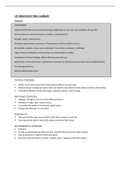
Periodic inventory system – Summary
When you have to post the general journals to the general ledger, open
ALL of the general ledgers first (T-accounts)!!!!
The T-accounts that you are always going to open in the General ledger
when you are using the periodic inventory system are:
Bank (A)
Trading Inventory (A)
Creditors Control (L)
Purchases (E)
Purchases returns and allowances (I)
Freight on purchases (E)
Sales (I)
Sales returns and allowances (E)
Carriage on sales (E)
Cost of sales (E)
Opening Inventory (ASSET) is always on the DR side of
the trading inventory account and thus you have to take
it out and post it to the Cost of sales account.
-DR trading inventory with the opening balance
-CR trading inventory with cost of sales
-DR cost of sales with trading inventory
Purchases (EXPENCE) goes to the purchases account
and then it goes to Bank (if purchase was done in cash)
OR it goes to Creditors control (if the purchase was on
credit).
-DR purchases with bank or creditors control.
-CR bank with purchases OR
-CR creditors control with purchases
,Freight on purchases (EXPENCE) goes to the freight on
purchases account and then it goes to bank (if you paid
cash) OR to Creditors control (if it was purchased on
credit).
-DR freight on purchases with bank or creditors controls
-CR bank with freight on purchases OR
-CR creditors control with freight on purchases
When you have damaged inventory that you purchased
from suppliers and you send it back, you have to post it
to the purchase returns and allowances account
(INCOME) and then it has to go to bank (when you
purchased it for cash) OR to creditors control (if you
purchased it on credit).
-DR bank with purchase returns and allowances OR
-DR creditors control with purchase returns and allowances
-CR purchase returns and allowances with bank or creditors control
Sales (INCOME) goes to your sales account and then it
has to go to bank (if it was cash sales) OR debtors
control (if it was credit sales).
-DR bank with sales OR
-DR debtors control with sales
-CR sales with bank or debtors control
When damaged inventory that clients bought from you
gets send back then you have to post it to the sales
returns and allowances account (EXPENCE) and then it
goes to bank (when it is send back on cash) OR creditors
control (if it was send back on credit).
-DR sales returns and allowances account with bank OR credit control
-CR bank with sales returns and allowance OR
-CR credit control with sales returns and allowances
, Closing balance goes to the cost of sales account and to
the trading inventory account.
-DR trading inventory with cost of sales
-CR cost of sales with trading inventory
After all the transactions are recorded you have to post
the purchases, purchase returns and allowances and
freight on purchases account to the cost of sales
account.
-Purchases are greater on the DR side than on the CR side
-CR purchases with cost of sales
-DR cost of sales with purchases
- Purchase returns and allowances are greater on the CR side than on the
DR side
-DR purchase returns and allowances with cost of sales
-CR cost of sales with purchase returns and allowances
- Freight on purchases is greater on the DR side than on the CR side
-CR freight on purchases with cost of sales
-DR cost of sales with freight on purchases
Now all that is left is to sum and balance the inventory and cost of sales
account.
VALUE-ADDED TAX (“VAT”)
1. Background
VAT stands for “Value-added Tax”.
It is MANDATORY (COMPULSORY) for any entity (business) to register
for VAT if the revenue/income/sales earned in any consecutive
twelve-month period exceeded or is likely to exceed R1 million. Any
business may choose to register voluntarily if the
revenue/income/sales earned, in the past twelve-month period,
exceeded R50 000.
Periodic inventory system – Summary
When you have to post the general journals to the general ledger, open
ALL of the general ledgers first (T-accounts)!!!!
The T-accounts that you are always going to open in the General ledger
when you are using the periodic inventory system are:
Bank (A)
Trading Inventory (A)
Creditors Control (L)
Purchases (E)
Purchases returns and allowances (I)
Freight on purchases (E)
Sales (I)
Sales returns and allowances (E)
Carriage on sales (E)
Cost of sales (E)
Opening Inventory (ASSET) is always on the DR side of
the trading inventory account and thus you have to take
it out and post it to the Cost of sales account.
-DR trading inventory with the opening balance
-CR trading inventory with cost of sales
-DR cost of sales with trading inventory
Purchases (EXPENCE) goes to the purchases account
and then it goes to Bank (if purchase was done in cash)
OR it goes to Creditors control (if the purchase was on
credit).
-DR purchases with bank or creditors control.
-CR bank with purchases OR
-CR creditors control with purchases
,Freight on purchases (EXPENCE) goes to the freight on
purchases account and then it goes to bank (if you paid
cash) OR to Creditors control (if it was purchased on
credit).
-DR freight on purchases with bank or creditors controls
-CR bank with freight on purchases OR
-CR creditors control with freight on purchases
When you have damaged inventory that you purchased
from suppliers and you send it back, you have to post it
to the purchase returns and allowances account
(INCOME) and then it has to go to bank (when you
purchased it for cash) OR to creditors control (if you
purchased it on credit).
-DR bank with purchase returns and allowances OR
-DR creditors control with purchase returns and allowances
-CR purchase returns and allowances with bank or creditors control
Sales (INCOME) goes to your sales account and then it
has to go to bank (if it was cash sales) OR debtors
control (if it was credit sales).
-DR bank with sales OR
-DR debtors control with sales
-CR sales with bank or debtors control
When damaged inventory that clients bought from you
gets send back then you have to post it to the sales
returns and allowances account (EXPENCE) and then it
goes to bank (when it is send back on cash) OR creditors
control (if it was send back on credit).
-DR sales returns and allowances account with bank OR credit control
-CR bank with sales returns and allowance OR
-CR credit control with sales returns and allowances
, Closing balance goes to the cost of sales account and to
the trading inventory account.
-DR trading inventory with cost of sales
-CR cost of sales with trading inventory
After all the transactions are recorded you have to post
the purchases, purchase returns and allowances and
freight on purchases account to the cost of sales
account.
-Purchases are greater on the DR side than on the CR side
-CR purchases with cost of sales
-DR cost of sales with purchases
- Purchase returns and allowances are greater on the CR side than on the
DR side
-DR purchase returns and allowances with cost of sales
-CR cost of sales with purchase returns and allowances
- Freight on purchases is greater on the DR side than on the CR side
-CR freight on purchases with cost of sales
-DR cost of sales with freight on purchases
Now all that is left is to sum and balance the inventory and cost of sales
account.
VALUE-ADDED TAX (“VAT”)
1. Background
VAT stands for “Value-added Tax”.
It is MANDATORY (COMPULSORY) for any entity (business) to register
for VAT if the revenue/income/sales earned in any consecutive
twelve-month period exceeded or is likely to exceed R1 million. Any
business may choose to register voluntarily if the
revenue/income/sales earned, in the past twelve-month period,
exceeded R50 000.