AfraTafreeh.com
Last edited: 11/21/2021
1. GLOMERULAR FILTRATION
Glomerular Filtration Medical Editor: Mariel Antoinette L. Perez
OUTLINE
I) RENAL CORPUSCLE
II) GLOMERULAR MESANGIAL CELLS
III) GLOMERULAR FILTRATION RATE (GFR)
IV) APPENDIX (i) Lamina Rara Interna
V) REVIEW QUESTIONS
VI) REFRENCES Fenestrated ~10% surface area (50-100nm pores
in capillaries)
Freely permeable to everything
I) RENAL CORPUSCLE • except cells and platelets
“Endothelial layer”
• Spherical filtering component distributed throughout the
• Part of membrane closest to endothelial cells
cortex
Made up of specific types of molecules
• Responsible for 1st step of urine formation
• E.g., proteoglycans
− Separation of a protein-free filtrate from plasma Has heparin sulfate
• Made of glomerulus and Bowman’s capsule
(ii) Lamina Densa
made of Type IV collagen and laminins
(iii) Lamina Rara Externa
Also has heparin sulfate
Surround or cling to glomerular capillaries
Rest on basement membrane and face Bowman’s
space
have an unusual octopus-like structure
(B) BOWMAN’S CAPSULE
“Glomerular Capsule”
Hollow sphere composed of epithelial cells
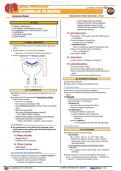
Figure 1. Renal Corpuscle (1) Visceral Layer
(A) GLOMERULUS Surround or cling to glomerular capillaries
Filtration site where most excreted substances enter the rest on the basement membrane and face Bowman’s
nephron space
compact tuft of interconnected, fenestrated capillary Podocytes
loops of blood vessels o have an unusual octopus-like structure
o 50-100 nm in diameter o foot processes / “small fingers”
o Have medium intracellular clefts o Filtration slit
o Have fenestration pores running through endothelial extremely thin processes (25-30nm)
cells spaces in between podocytes
o Moderate permeability o Slit diaphragms
bridge slits between podocytes
E.g., RBCs, WBCs, platelets crucial for filtration barrier selectivity
• prevent excess leak of plasma protein
(albumin)
Water, electrolytes, nutrients, waste products made of Nephrin
(1) Arterioles
AfraTafreeh.com (2) Parietal Layer
The glomerulus is one of the only examples in the
body wherein the capillary bed is both being fed and (C) FILTRATION
drained by an arteriole
Substances that can pass through
(i) Afferent Arterioles o Electrolytes
E.g., HCO3–, Na+, K+, Cl–, Ca2+, Mg2+, H2O
Despite the negative charge on some of these
electrolytes, they’re very small; Hence, they will
(ii) Efferent Arterioles get freely filtered
o Non-negatively charged low-Molecular weight
molecules
E.g., glucose, amino acids, lipids, urea, creatinine,
(2) Glomerular Basement Membrane vitamins)
These substances will move through the fenestration
Extremely negatively-charged due to heparin sulfate on
lamina rara interna and lamina rara externa pores glomerular basement membrane filtration slit
o Importance: acts as a barrier of filtration nephrin Proximal Convoluted Tubule
proteins are negatively charged
GLOMERULAR FILTRATION RENAL PHYSIOLOGY: Note #1. 1 of 3
Last edited: 11/21/2021
1. GLOMERULAR FILTRATION
Glomerular Filtration Medical Editor: Mariel Antoinette L. Perez
OUTLINE
I) RENAL CORPUSCLE
II) GLOMERULAR MESANGIAL CELLS
III) GLOMERULAR FILTRATION RATE (GFR)
IV) APPENDIX (i) Lamina Rara Interna
V) REVIEW QUESTIONS
VI) REFRENCES Fenestrated ~10% surface area (50-100nm pores
in capillaries)
Freely permeable to everything
I) RENAL CORPUSCLE • except cells and platelets
“Endothelial layer”
• Spherical filtering component distributed throughout the
• Part of membrane closest to endothelial cells
cortex
Made up of specific types of molecules
• Responsible for 1st step of urine formation
• E.g., proteoglycans
− Separation of a protein-free filtrate from plasma Has heparin sulfate
• Made of glomerulus and Bowman’s capsule
(ii) Lamina Densa
made of Type IV collagen and laminins
(iii) Lamina Rara Externa
Also has heparin sulfate
Surround or cling to glomerular capillaries
Rest on basement membrane and face Bowman’s
space
have an unusual octopus-like structure
(B) BOWMAN’S CAPSULE
“Glomerular Capsule”
Hollow sphere composed of epithelial cells
Figure 1. Renal Corpuscle (1) Visceral Layer
(A) GLOMERULUS Surround or cling to glomerular capillaries
Filtration site where most excreted substances enter the rest on the basement membrane and face Bowman’s
nephron space
compact tuft of interconnected, fenestrated capillary Podocytes
loops of blood vessels o have an unusual octopus-like structure
o 50-100 nm in diameter o foot processes / “small fingers”
o Have medium intracellular clefts o Filtration slit
o Have fenestration pores running through endothelial extremely thin processes (25-30nm)
cells spaces in between podocytes
o Moderate permeability o Slit diaphragms
bridge slits between podocytes
E.g., RBCs, WBCs, platelets crucial for filtration barrier selectivity
• prevent excess leak of plasma protein
(albumin)
Water, electrolytes, nutrients, waste products made of Nephrin
(1) Arterioles
AfraTafreeh.com (2) Parietal Layer
The glomerulus is one of the only examples in the
body wherein the capillary bed is both being fed and (C) FILTRATION
drained by an arteriole
Substances that can pass through
(i) Afferent Arterioles o Electrolytes
E.g., HCO3–, Na+, K+, Cl–, Ca2+, Mg2+, H2O
Despite the negative charge on some of these
electrolytes, they’re very small; Hence, they will
(ii) Efferent Arterioles get freely filtered
o Non-negatively charged low-Molecular weight
molecules
E.g., glucose, amino acids, lipids, urea, creatinine,
(2) Glomerular Basement Membrane vitamins)
These substances will move through the fenestration
Extremely negatively-charged due to heparin sulfate on
lamina rara interna and lamina rara externa pores glomerular basement membrane filtration slit
o Importance: acts as a barrier of filtration nephrin Proximal Convoluted Tubule
proteins are negatively charged
GLOMERULAR FILTRATION RENAL PHYSIOLOGY: Note #1. 1 of 3