Mortgages
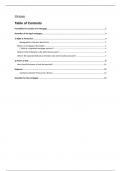
Table of Contents
Formalities for Creation of a Mortgage.......................................................................................................... 2
Remedies of the legal mortgagee.................................................................................................................. 3
1) Right to Possession.................................................................................................................................... 3
Ropaigealach v Barclays Bank Facts:..............................................................................................................3
When is a mortgage enforceable?......................................................................................................................4
i. What is a regulated mortgage contract?.....................................................................................................5
What are the limitations to the right of possession?..........................................................................................5
What is the expected behaviour of lenders who wish to take possession?.........................................................7
2) Power of Sale............................................................................................................................................ 8
How should the power of sale be exercised?....................................................................................................10
Defences..................................................................................................................................................... 13
Southern & District Finance Ltd v Barnes:.....................................................................................................13
Remedies for the mortgagor........................................................................................................................ 14
, - A mortgage must have the right for the borrower to discharge the mortgage interest,
having a ‘clean’ title, once all the monies are repaid. Anything which prevents this is
not in the nature of a mortgage.
i. As per s.205(1)(xvi) Law of Property Act 1925: “Mortgage” includes any
charge or lien on any property for securing money or money’s worth.
- It is only possible to create legal mortgages in the form of a charge- a right attached to
the land of another entitling the charge-holder to certain remedies. This is created by
deed expressed to be by way of a legal mortgage.
- A mortgage falls under the numerus clausus principle as per LPA ss1(2)(c).
Formalities for Creation of a Mortgage
- If a contract is created which complies with S2 LPMPA 1989, then an equitable
mortgage will be created, be that an equitable mortgage of a legal estate, or an
equitable mortgage of an equitable interest (such as an interest under a trust).
- In order to create a ‘legal mortgage’, there must be a deed that is duly registered.
Section 85 Law of Property Act 1925: A mortgage of an estate in fee simple shall only
be capable of being effected at law either by a demise for a term of years absolute,
subject to a provision for cesser on redemption, or by a charge by deed expressed to
be by way of legal mortgage.
The effect of the above provision is to ban the creation of mortgages through the
transfer of a freehold. A similar provision exists in s86 LPA for mortgages on
leaseholds.
- Where the underlying land is registered, the land can only be mortgaged through the
execution of a charge (Section 23(1)(b) of the Land Registration Act 2002).
- There is only one methodology for creating such rights:
i. This involves the creation of a deed which complies with section 1 Law of
Property (Miscellaneous Provisions) Act 1989, and
ii. the registration of that deed in line with section 4(1)(g) (first registration upon
the grant of a first legal mortgage) and section 27(2)(f) (registrable
dispositions) LRA 2002.
iii. The effect of completion by registration is held in s 51 LRA.
, - If the above formalities are not met, the doctrine of anticipation can be relied on by
the mortgagee (Walsh v Lonsdale).
i. There will be an equitable mortgage as long as there is a contract which
complies with section 2 LP(MP)A 1989 or a deed which complies with section
2 LP(MP)A 1989 is required.
ii. If a deed is present, then the mortgagee will be able to take advantage of the
remedies implied by section 101 LPA 1925.
Remedies of the legal mortgagee
1) Right to Possession
- S87 LPA 1925.
- The right of the mortgagee to go into possession of the mortgaged property is an
inherent consequence of the mortgage as a proprietary interest.
- It arises as soon as the ink is dry on the mortgage deed (Four Maids v Dudley
Marshall).
i. The modern mortgage treats the lender as if it has the benefit of a 3000 year
lease in respect to freehold property, which means that the mortgagee is able to
go into possession of the mortgaged property at any time during the currency
of the mortgage unless they have contractually or voluntarily limited the
availability of that right.
- If the mortgagee does succeed in their action for possession, then once in possession,
they will fall under a general duty to maximize the profits from their possession, so as
to allow those profits to pay down the mortgage money, as per White v City of London
Brewery Company.
- How can one take possession?
i. Traditionally, it was lawful for lenders to take possession via self-help and
change the locks by themselves. (Ropaigealach v Barclays Bank)
ii. Now, lenders have to only make peaceable entries and change the locks when
the family is away (s 6(1) Criminal Law Act 1977).
Ropaigealach v Barclays Bank Facts:
i. Mr and Mrs Ropaigealach had granted to the bank a registered
Table of Contents
Formalities for Creation of a Mortgage.......................................................................................................... 2
Remedies of the legal mortgagee.................................................................................................................. 3
1) Right to Possession.................................................................................................................................... 3
Ropaigealach v Barclays Bank Facts:..............................................................................................................3
When is a mortgage enforceable?......................................................................................................................4
i. What is a regulated mortgage contract?.....................................................................................................5
What are the limitations to the right of possession?..........................................................................................5
What is the expected behaviour of lenders who wish to take possession?.........................................................7
2) Power of Sale............................................................................................................................................ 8
How should the power of sale be exercised?....................................................................................................10
Defences..................................................................................................................................................... 13
Southern & District Finance Ltd v Barnes:.....................................................................................................13
Remedies for the mortgagor........................................................................................................................ 14
, - A mortgage must have the right for the borrower to discharge the mortgage interest,
having a ‘clean’ title, once all the monies are repaid. Anything which prevents this is
not in the nature of a mortgage.
i. As per s.205(1)(xvi) Law of Property Act 1925: “Mortgage” includes any
charge or lien on any property for securing money or money’s worth.
- It is only possible to create legal mortgages in the form of a charge- a right attached to
the land of another entitling the charge-holder to certain remedies. This is created by
deed expressed to be by way of a legal mortgage.
- A mortgage falls under the numerus clausus principle as per LPA ss1(2)(c).
Formalities for Creation of a Mortgage
- If a contract is created which complies with S2 LPMPA 1989, then an equitable
mortgage will be created, be that an equitable mortgage of a legal estate, or an
equitable mortgage of an equitable interest (such as an interest under a trust).
- In order to create a ‘legal mortgage’, there must be a deed that is duly registered.
Section 85 Law of Property Act 1925: A mortgage of an estate in fee simple shall only
be capable of being effected at law either by a demise for a term of years absolute,
subject to a provision for cesser on redemption, or by a charge by deed expressed to
be by way of legal mortgage.
The effect of the above provision is to ban the creation of mortgages through the
transfer of a freehold. A similar provision exists in s86 LPA for mortgages on
leaseholds.
- Where the underlying land is registered, the land can only be mortgaged through the
execution of a charge (Section 23(1)(b) of the Land Registration Act 2002).
- There is only one methodology for creating such rights:
i. This involves the creation of a deed which complies with section 1 Law of
Property (Miscellaneous Provisions) Act 1989, and
ii. the registration of that deed in line with section 4(1)(g) (first registration upon
the grant of a first legal mortgage) and section 27(2)(f) (registrable
dispositions) LRA 2002.
iii. The effect of completion by registration is held in s 51 LRA.
, - If the above formalities are not met, the doctrine of anticipation can be relied on by
the mortgagee (Walsh v Lonsdale).
i. There will be an equitable mortgage as long as there is a contract which
complies with section 2 LP(MP)A 1989 or a deed which complies with section
2 LP(MP)A 1989 is required.
ii. If a deed is present, then the mortgagee will be able to take advantage of the
remedies implied by section 101 LPA 1925.
Remedies of the legal mortgagee
1) Right to Possession
- S87 LPA 1925.
- The right of the mortgagee to go into possession of the mortgaged property is an
inherent consequence of the mortgage as a proprietary interest.
- It arises as soon as the ink is dry on the mortgage deed (Four Maids v Dudley
Marshall).
i. The modern mortgage treats the lender as if it has the benefit of a 3000 year
lease in respect to freehold property, which means that the mortgagee is able to
go into possession of the mortgaged property at any time during the currency
of the mortgage unless they have contractually or voluntarily limited the
availability of that right.
- If the mortgagee does succeed in their action for possession, then once in possession,
they will fall under a general duty to maximize the profits from their possession, so as
to allow those profits to pay down the mortgage money, as per White v City of London
Brewery Company.
- How can one take possession?
i. Traditionally, it was lawful for lenders to take possession via self-help and
change the locks by themselves. (Ropaigealach v Barclays Bank)
ii. Now, lenders have to only make peaceable entries and change the locks when
the family is away (s 6(1) Criminal Law Act 1977).
Ropaigealach v Barclays Bank Facts:
i. Mr and Mrs Ropaigealach had granted to the bank a registered