PSY-255 Personality Psychology
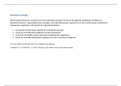
Comparison of Theorist
Directions: Complete the following chart. Use APA in-text citations including page numbers if available.
Theorist Core Tendency Core Characteristic Development Adult Manifestations
(Summarize each theory in one (Most important concepts in the (What do they say about personality (How would this theorist describe a healthy adult
sentences) theory) development? What affects personality personality? How would they describe a
development? Do they have a stage pathological/unhealthy adult personality?)
theory?)
(Example) Fromm The attempt to express Needs for relatedness (to Three types of relationships 1)The Receptive Orientation (child is the
one’s human nature be in contact with between parent and child: 1) passive party in a symbiotic relationship)
(Maddi, 1972) people), transcendence symbiotic relatedness (the 2)The Exploitative Orientation (the child is
This row is an (to be separate from other people are related, but never the dominant party in a symbiotic
example only. This people and things), attain independence), 2) relationship)
example is so you rootedness (to have a withdrawal-destructiveness 3)The Hoarding Orientation (the child is
have an idea of how sense of belongingness), (there is a negative reacting to parental withdrawal)
to complete the identity (to know who and relatedness and 4)The Marketing Orientation (the child is
assignment. what one is), and frame of indifference), and 3) love reacting to parental destructiveness)
reference (to have a (there is mutual respect, 5) The Productive Orientation (the child
stable way of perceiving support, and appreciation received love from parents).
and comprehending the (Maddi, 1972)
world (Maddi, 1972)
, Freud Freud believed that Freud believed that every Though Freud believed that ID- Allows us to get our basic needs met.
behavior is manipulated personality was entirely an entire personality was The id is based on our pleasure principle.
by sexual urges. predetermined by the determined by the time an The id wants whatever feels good at the
Personality is formed by time they were two years individual was around the time, with no consideration for the reality of
early childhood. Human old. He also believed in an age of two, the individual the situation.
nature and society are internal battle of the would continuously battle Ego- the part of the mind that mediates
driven by sex and unconscious mind. their unconscious which between the conscious and the unconscious
destruction. (Burger, 2014) consists of the ego, ID and and is responsible for reality testing and a
super ego. (Burger, 2014) sense of personal identity. Superego-the
part of a person's mind that acts as a self-
critical conscience
Jung Jung focused on the Jung believed that Jung's most valuable Jung anticipated the humanistic movement
collective unconscious. personality types and contribution was his with its emphasis on self-actualization and
And developed his own traits are considered division of personality into orientation toward the future. Jung believed
theory-Analytical inborn. The focus of Introversive and that a balance between extroversion and
Psychology. analytical psychology is Extraversive types. An introversion best served the goal of self-
(Schultz, 1976). on working to balance Introvert- Is one whose realization.
opposing forces of focus is directed inwardly (Jung, 1923)
conscious and and not as sociable.
unconscious thought, and Extravert- Whose focus is
experience within one’s directed outwardly.
personality. (Jung & Baynes , 1921;
Reinhold & Reinhold
Development, 2009)
Comparison of Theorist
Directions: Complete the following chart. Use APA in-text citations including page numbers if available.
Theorist Core Tendency Core Characteristic Development Adult Manifestations
(Summarize each theory in one (Most important concepts in the (What do they say about personality (How would this theorist describe a healthy adult
sentences) theory) development? What affects personality personality? How would they describe a
development? Do they have a stage pathological/unhealthy adult personality?)
theory?)
(Example) Fromm The attempt to express Needs for relatedness (to Three types of relationships 1)The Receptive Orientation (child is the
one’s human nature be in contact with between parent and child: 1) passive party in a symbiotic relationship)
(Maddi, 1972) people), transcendence symbiotic relatedness (the 2)The Exploitative Orientation (the child is
This row is an (to be separate from other people are related, but never the dominant party in a symbiotic
example only. This people and things), attain independence), 2) relationship)
example is so you rootedness (to have a withdrawal-destructiveness 3)The Hoarding Orientation (the child is
have an idea of how sense of belongingness), (there is a negative reacting to parental withdrawal)
to complete the identity (to know who and relatedness and 4)The Marketing Orientation (the child is
assignment. what one is), and frame of indifference), and 3) love reacting to parental destructiveness)
reference (to have a (there is mutual respect, 5) The Productive Orientation (the child
stable way of perceiving support, and appreciation received love from parents).
and comprehending the (Maddi, 1972)
world (Maddi, 1972)
, Freud Freud believed that Freud believed that every Though Freud believed that ID- Allows us to get our basic needs met.
behavior is manipulated personality was entirely an entire personality was The id is based on our pleasure principle.
by sexual urges. predetermined by the determined by the time an The id wants whatever feels good at the
Personality is formed by time they were two years individual was around the time, with no consideration for the reality of
early childhood. Human old. He also believed in an age of two, the individual the situation.
nature and society are internal battle of the would continuously battle Ego- the part of the mind that mediates
driven by sex and unconscious mind. their unconscious which between the conscious and the unconscious
destruction. (Burger, 2014) consists of the ego, ID and and is responsible for reality testing and a
super ego. (Burger, 2014) sense of personal identity. Superego-the
part of a person's mind that acts as a self-
critical conscience
Jung Jung focused on the Jung believed that Jung's most valuable Jung anticipated the humanistic movement
collective unconscious. personality types and contribution was his with its emphasis on self-actualization and
And developed his own traits are considered division of personality into orientation toward the future. Jung believed
theory-Analytical inborn. The focus of Introversive and that a balance between extroversion and
Psychology. analytical psychology is Extraversive types. An introversion best served the goal of self-
(Schultz, 1976). on working to balance Introvert- Is one whose realization.
opposing forces of focus is directed inwardly (Jung, 1923)
conscious and and not as sociable.
unconscious thought, and Extravert- Whose focus is
experience within one’s directed outwardly.
personality. (Jung & Baynes , 1921;
Reinhold & Reinhold
Development, 2009)