·
·m
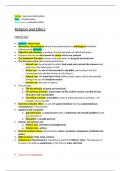
Symptoms ,
Classifications
&
Diagnosis .
, College 1 13-09-23
Sexual
?
Dysfunction
What are sexual dysfunctions
Can be the for mutual people , but for it's disorder
same
symptoms some people a
and for some it's just too bad . The amount of distress over the
symptoms qualifies
if the person has a disorder .
classification
DSM-5 is
necessary to
give the
right treatment.
Change from DSM-4 to 5 :
female sexual desire and arousal disorders are combined .
sexual
dysfunction require a duration of 6 months . GPPPD +
Pain Penetration
Vaginisme en dysparennia are combined to
genito-Pelvic Disorder .
> Pain of
during sex 50 % the time .
=
for disorders
subtypes lifelong
·
acquired Situational .
all : us .
,
generalized us .
changes with age , phase ,
c ...
state et
Individual
What can cause
Coordinated by sexuality
&
neurologic incorporates
Organs reacting
:
L
maintain SD ?
to stimulation from brain .
Negative family :
Upbringing .
Vascular Blood to emotional Societal Culture .
going
:
:
and
Symptoms causes
varied . genitalia . reactions
Religous : Beliefs ,
can be
highly
Endocrine : Hormones .
- experiences .
Women talk about problems more often.
sexual
activity incorporates
Interpersonal relationships .
Each partner attitudes needs responses .
phases of
,
sexual activity
,
:
Bio-Psycho-social Assessment :
↑
not linear .
People with SD don't fit in this picture .
Some people skip or don't feel a phase .
, &
+ + -
factors
Predisposing :
Physiological Psychological
Psychological physiological
,
Restrictive
and organic Cultural & upbringing .
issues Behavioural issues
Disturbed
family
-
issues issues relations .
Traumatic sexual
early
-
experience .
The Sexual -
Poor sex education .
Tipping Point
Precipitants triggers :
Relationship
-
discord .
Excitation Inhibition
Ageing
-
.
Partner dysfunction
-
.
Variable & Dynamic
Mental health issues .
-
Process
factors
Maintaining :
Performance
anxiety
-
.
Poor
-
communication .
dysfunction categories loss
-
10 sexual : of attraction .
The First to . Therefore DSM5- Partner demands .
7 are sometimes
rigid ,
the
provides the last two
categories .
1 Delayed Ejaculation DE
A marked
difficulty inability to achieve desired
=
or
ejaculation . Male
only
More common in men over 50 . Vishal us . tactile .
>
75 % of report sexual
men
always ejaculating during activity
.
Many theories regarding the cause of DE but with little empirical data to support anything.
3 common factors associated with DE :
of masturbation .
Higher Frequency
-
Idiosyncratic masturbatory style
-
.
Disparity between the
reality of with his partner compared his preferred sexual
-
sex to
fantasy during masturbation .
DE ED !
is often
mistakenly diagnosed as
Advice clinical
in
setting :
focus function ! Suspend
instead of
masturbatory activity temporarily
-
pleasure
-
on .
Learn focus attention stimuli. use condoms masturbation ?
during
-
to on sexual
-
Cognitive restructuring Check relationship
-
.
.
, 2 Erectile Disorder ED
=
failure to obtain or maintain erection
during partnered sexual activities .
<
Marked decrease in erectile rigidity .
>
more common in men over fifty
.
most problems remit without professional intervention .
Could have do with weak bloodvessles ?
something to
Assessment :
sexual development in childhood adolesence
-
.
~
masturbatory experience ? medication and with
negative
-
drugs
Rule out PE ! impact erectile function .
-
on
-
Hetero-bi or homosexual orientation ?
chronic permanent ? Partner situation dependent ?
-
-
other unrelated problems stress ?
Depressive symptoms ?
-
ED with
masturbatory activities ?
existing
-
general health conditions life ?
-
with
competing sexual
mornings ?
-
.
3 Male Hypoactive Sexual Desire Disorder MHSDD
=
Persistent deficient or absent sexual
thoughts ,
fantasies or desires .
> 6% of 18-24 & 41 % of older men 66-74 report problems with sexual desire ;
younger
of
persistent problems in
only 1 . 8% men .
many men are often treated for different sexual
diagnosis while suffering from HSDD.
Sexual desire and arousal of
are
overlapping constructs since both depend on the
ability an
information
individual to process sexual
during sexual activity
.
HSDD limited it's relationship problem .
to
single partner is not SD ,
a
Side note on
longterm relationships :
~
sex role in of
plays a all phases relationships .
~
Sexual desire is important to relationship satisfaction and stability
+ low sexual
desire is source of relational distress .
~
Most prevalent complaint in LT relations is low desire .
·
Important to focus on the process look at sexual pleasure as flavour in Food .
desire ↓ sexual satisfaction .
frequency relationship
> BUT : ↓ sexual = = ↓
·m
Symptoms ,
Classifications
&
Diagnosis .
, College 1 13-09-23
Sexual
?
Dysfunction
What are sexual dysfunctions
Can be the for mutual people , but for it's disorder
same
symptoms some people a
and for some it's just too bad . The amount of distress over the
symptoms qualifies
if the person has a disorder .
classification
DSM-5 is
necessary to
give the
right treatment.
Change from DSM-4 to 5 :
female sexual desire and arousal disorders are combined .
sexual
dysfunction require a duration of 6 months . GPPPD +
Pain Penetration
Vaginisme en dysparennia are combined to
genito-Pelvic Disorder .
> Pain of
during sex 50 % the time .
=
for disorders
subtypes lifelong
·
acquired Situational .
all : us .
,
generalized us .
changes with age , phase ,
c ...
state et
Individual
What can cause
Coordinated by sexuality
&
neurologic incorporates
Organs reacting
:
L
maintain SD ?
to stimulation from brain .
Negative family :
Upbringing .
Vascular Blood to emotional Societal Culture .
going
:
:
and
Symptoms causes
varied . genitalia . reactions
Religous : Beliefs ,
can be
highly
Endocrine : Hormones .
- experiences .
Women talk about problems more often.
sexual
activity incorporates
Interpersonal relationships .
Each partner attitudes needs responses .
phases of
,
sexual activity
,
:
Bio-Psycho-social Assessment :
↑
not linear .
People with SD don't fit in this picture .
Some people skip or don't feel a phase .
, &
+ + -
factors
Predisposing :
Physiological Psychological
Psychological physiological
,
Restrictive
and organic Cultural & upbringing .
issues Behavioural issues
Disturbed
family
-
issues issues relations .
Traumatic sexual
early
-
experience .
The Sexual -
Poor sex education .
Tipping Point
Precipitants triggers :
Relationship
-
discord .
Excitation Inhibition
Ageing
-
.
Partner dysfunction
-
.
Variable & Dynamic
Mental health issues .
-
Process
factors
Maintaining :
Performance
anxiety
-
.
Poor
-
communication .
dysfunction categories loss
-
10 sexual : of attraction .
The First to . Therefore DSM5- Partner demands .
7 are sometimes
rigid ,
the
provides the last two
categories .
1 Delayed Ejaculation DE
A marked
difficulty inability to achieve desired
=
or
ejaculation . Male
only
More common in men over 50 . Vishal us . tactile .
>
75 % of report sexual
men
always ejaculating during activity
.
Many theories regarding the cause of DE but with little empirical data to support anything.
3 common factors associated with DE :
of masturbation .
Higher Frequency
-
Idiosyncratic masturbatory style
-
.
Disparity between the
reality of with his partner compared his preferred sexual
-
sex to
fantasy during masturbation .
DE ED !
is often
mistakenly diagnosed as
Advice clinical
in
setting :
focus function ! Suspend
instead of
masturbatory activity temporarily
-
pleasure
-
on .
Learn focus attention stimuli. use condoms masturbation ?
during
-
to on sexual
-
Cognitive restructuring Check relationship
-
.
.
, 2 Erectile Disorder ED
=
failure to obtain or maintain erection
during partnered sexual activities .
<
Marked decrease in erectile rigidity .
>
more common in men over fifty
.
most problems remit without professional intervention .
Could have do with weak bloodvessles ?
something to
Assessment :
sexual development in childhood adolesence
-
.
~
masturbatory experience ? medication and with
negative
-
drugs
Rule out PE ! impact erectile function .
-
on
-
Hetero-bi or homosexual orientation ?
chronic permanent ? Partner situation dependent ?
-
-
other unrelated problems stress ?
Depressive symptoms ?
-
ED with
masturbatory activities ?
existing
-
general health conditions life ?
-
with
competing sexual
mornings ?
-
.
3 Male Hypoactive Sexual Desire Disorder MHSDD
=
Persistent deficient or absent sexual
thoughts ,
fantasies or desires .
> 6% of 18-24 & 41 % of older men 66-74 report problems with sexual desire ;
younger
of
persistent problems in
only 1 . 8% men .
many men are often treated for different sexual
diagnosis while suffering from HSDD.
Sexual desire and arousal of
are
overlapping constructs since both depend on the
ability an
information
individual to process sexual
during sexual activity
.
HSDD limited it's relationship problem .
to
single partner is not SD ,
a
Side note on
longterm relationships :
~
sex role in of
plays a all phases relationships .
~
Sexual desire is important to relationship satisfaction and stability
+ low sexual
desire is source of relational distress .
~
Most prevalent complaint in LT relations is low desire .
·
Important to focus on the process look at sexual pleasure as flavour in Food .
desire ↓ sexual satisfaction .
frequency relationship
> BUT : ↓ sexual = = ↓