OAPA
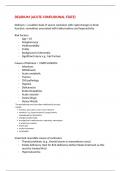
Battery
‘the intentional or reckless infliction of unlawful force on another’
Collins v Willcock
o Actus Reus
Infliction of unlawful non-consensual bodily contact with another
Includes contact through objects & touching a person’s clothes
R v Martin
Can be caused indirectly
DPP v K
o K put chemicals in land dryer, next boy who used it was injured battery occurred
indirectly
R v Martin
o D shouted “fire” in a crowded theatre and people in the theatre trampled over each
other while getting out D caused people to collide into each other committed
battery
Can be a continuing act
Fagan v Metropolitan Police Commissioner
o Man ran over policeman’s foot unknowingly & refused to move the car upon
knowing
o Held that battery was a continuing act from the moment D realized and refused to
move
Can be an omission [upon creating a dangerous situation]
DPP v Santana-Bermudez
o D was going to be searched and denied having any needles on him when asked
o Police searched him and was pricked, D smirked in response
o Held that D had created a dangerous situation was under a duty to mitigate any
danger
o When D creates a dangerous situation and thus exposes V to a reasonably
foreseeable risk of injury which materializes, there is an evidential basis for the
actus reus of an assault occasioning ABH
Consent
o Competence to consent
Gillick v West Norfolk and Wisbech AHA
‘Gillick competent’ – when a person has sufficient mental ability to understand the
implications of the physical contact and whether there was consent
o Implied consent
By virtue of being in a public place, you generally consent to ‘everyday touching’ implied
consent
Eg. shoulders brushing on the tube
BUT you still have the autonomy to withhold consent
H v CPS
o H had mental abnormalities and hit a worker in the institution
o H argued that the worker must have known the risk of being hit by voluntarily
working there, the worker gave implied consent
o Held that just because the worker was aware of a risk of hit does not mean he had
consented
Battery
‘the intentional or reckless infliction of unlawful force on another’
Collins v Willcock
o Actus Reus
Infliction of unlawful non-consensual bodily contact with another
Includes contact through objects & touching a person’s clothes
R v Martin
Can be caused indirectly
DPP v K
o K put chemicals in land dryer, next boy who used it was injured battery occurred
indirectly
R v Martin
o D shouted “fire” in a crowded theatre and people in the theatre trampled over each
other while getting out D caused people to collide into each other committed
battery
Can be a continuing act
Fagan v Metropolitan Police Commissioner
o Man ran over policeman’s foot unknowingly & refused to move the car upon
knowing
o Held that battery was a continuing act from the moment D realized and refused to
move
Can be an omission [upon creating a dangerous situation]
DPP v Santana-Bermudez
o D was going to be searched and denied having any needles on him when asked
o Police searched him and was pricked, D smirked in response
o Held that D had created a dangerous situation was under a duty to mitigate any
danger
o When D creates a dangerous situation and thus exposes V to a reasonably
foreseeable risk of injury which materializes, there is an evidential basis for the
actus reus of an assault occasioning ABH
Consent
o Competence to consent
Gillick v West Norfolk and Wisbech AHA
‘Gillick competent’ – when a person has sufficient mental ability to understand the
implications of the physical contact and whether there was consent
o Implied consent
By virtue of being in a public place, you generally consent to ‘everyday touching’ implied
consent
Eg. shoulders brushing on the tube
BUT you still have the autonomy to withhold consent
H v CPS
o H had mental abnormalities and hit a worker in the institution
o H argued that the worker must have known the risk of being hit by voluntarily
working there, the worker gave implied consent
o Held that just because the worker was aware of a risk of hit does not mean he had
consented