1
Limits and One-sided Limits
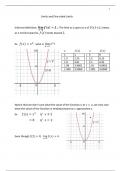
Informal definition: 𝐥𝐢𝐦 𝒇(𝒙) = 𝑳 ; The limit as 𝑥 goes to a of 𝑓 (𝑥 ) is 𝐿 means
𝒙→𝒂
as 𝑥 tends toward 𝑎 , 𝑓(𝑥) tends toward 𝐿.
Ex. 𝑓 (𝑥 ) = 𝑥 2 ; what is lim 𝑥 2 ?
𝑥→2
𝑥 𝑓(𝑥) 𝑥 𝑓(𝑥)
1 1 3 9
1.5 2.25 2.5 6.25
1.9 3.61 2.1 4.41
1.99 3.9601 2.01 4.0401
(2,4) 1.999 3.9960 2.001 4.0040
.
Notice that we don’t care what the value of the function is at 𝑥 = 𝑎, we only care
what the value of the function is tending toward as 𝑥 approaches 𝑎.
Ex. 𝑓(𝑥 ) = 𝑥 2 𝑖𝑓 𝑥 ≠ 2
=8 𝑖𝑓 𝑥 = 2
Even though 𝑓(2) = 8, lim 𝑓(𝑥) = 4.
𝑥→2
, 2
𝑥 2 +2𝑥−3
Ex. What is lim ?
𝑥→1 𝑥−1
𝑥 2 +2𝑥−3
Notice that 𝑓 (𝑥 ) = is only defined for 𝑥 ≠ 1 (since the denominator
𝑥−1
can’t be 0). So this function isn’t even defined at the point where we want to take
the limit (i.e., 𝑥 = 1).
𝑥 2 +2𝑥−3 (𝑥−1)(𝑥+3)
Notice also that when 𝑥 ≠ 1, 𝑓 (𝑥 ) = = = 𝑥 + 3 , so
𝑥−1 (𝑥−1)
𝑥 2 +2𝑥−3
we might expect that lim = lim (𝑥 + 3) = 4.
𝑥→1 𝑥−1 𝑥→1
𝑥 𝑓(𝑥) 𝑥 𝑓(𝑥)
.5 3.5 1.5 4.5
.9 3.9 1.1 4.1
.99 3.99 1.01 4.01 𝑦 = 𝑓(𝑥)
.999 3.999 1.001 4.001
.9999 3.999 1.0001 4.0001
𝑥 2 +2𝑥−3
Ex. Suppose 𝑔(𝑥 ) = 𝑥≠1
𝑥−1
=2 𝑥=1
What is lim 𝑔(𝑥 ) ?
𝑥→1
𝑦 = 𝑔(𝑥)
lim 𝑔(𝑥 ) = 4 ; but 𝑔(1) = 2.
𝑥→1
Limits and One-sided Limits
Informal definition: 𝐥𝐢𝐦 𝒇(𝒙) = 𝑳 ; The limit as 𝑥 goes to a of 𝑓 (𝑥 ) is 𝐿 means
𝒙→𝒂
as 𝑥 tends toward 𝑎 , 𝑓(𝑥) tends toward 𝐿.
Ex. 𝑓 (𝑥 ) = 𝑥 2 ; what is lim 𝑥 2 ?
𝑥→2
𝑥 𝑓(𝑥) 𝑥 𝑓(𝑥)
1 1 3 9
1.5 2.25 2.5 6.25
1.9 3.61 2.1 4.41
1.99 3.9601 2.01 4.0401
(2,4) 1.999 3.9960 2.001 4.0040
.
Notice that we don’t care what the value of the function is at 𝑥 = 𝑎, we only care
what the value of the function is tending toward as 𝑥 approaches 𝑎.
Ex. 𝑓(𝑥 ) = 𝑥 2 𝑖𝑓 𝑥 ≠ 2
=8 𝑖𝑓 𝑥 = 2
Even though 𝑓(2) = 8, lim 𝑓(𝑥) = 4.
𝑥→2
, 2
𝑥 2 +2𝑥−3
Ex. What is lim ?
𝑥→1 𝑥−1
𝑥 2 +2𝑥−3
Notice that 𝑓 (𝑥 ) = is only defined for 𝑥 ≠ 1 (since the denominator
𝑥−1
can’t be 0). So this function isn’t even defined at the point where we want to take
the limit (i.e., 𝑥 = 1).
𝑥 2 +2𝑥−3 (𝑥−1)(𝑥+3)
Notice also that when 𝑥 ≠ 1, 𝑓 (𝑥 ) = = = 𝑥 + 3 , so
𝑥−1 (𝑥−1)
𝑥 2 +2𝑥−3
we might expect that lim = lim (𝑥 + 3) = 4.
𝑥→1 𝑥−1 𝑥→1
𝑥 𝑓(𝑥) 𝑥 𝑓(𝑥)
.5 3.5 1.5 4.5
.9 3.9 1.1 4.1
.99 3.99 1.01 4.01 𝑦 = 𝑓(𝑥)
.999 3.999 1.001 4.001
.9999 3.999 1.0001 4.0001
𝑥 2 +2𝑥−3
Ex. Suppose 𝑔(𝑥 ) = 𝑥≠1
𝑥−1
=2 𝑥=1
What is lim 𝑔(𝑥 ) ?
𝑥→1
𝑦 = 𝑔(𝑥)
lim 𝑔(𝑥 ) = 4 ; but 𝑔(1) = 2.
𝑥→1