Week 1 Lecture
emotional media= emotional citizens
Good? turnout is going up → emotions could trigger higher participation
Bad? → a lot more outrage all the time
emotions in media: Brexit, refugee crisis, rise of populism
political conflict: all the time, a lot of it in the news → has certain outcomes
political satire → could influence positive emotions
Facebook: decision to change possibilities
Media effects dimensions:
● knowledge
● opinions (individual and public)
● attitudes
● behavior
● issue perception
● emotions
Fist assumption: media has control and is super powerful
V/U shape→ But maybe the media is not so powerful at all? → maybe less because you might
be affected or not→ is more complex→ research tries to identify what explains these differences
→ How people use the media? (should be the question) → “Moderate effects era” → research
focuses on social media effects (e.g., “knowledge gap”; “cultivation of fear through the media”)
Framing: 2 types of frames: equivalency- psychology, emphasis/issue framing- sociology- how
is a certain topic presented
Highlights by selecting some things & not others:
● placement
● repetition
● omission
● association (with culturally important symbols, metaphors)
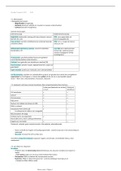
Generic frames: responsibility, conflict, human interest, economic consequences, morality
Responsibility frame - gov. or individual responsibility; suggested problem solution; call for
action
Conflict frame - disagreement; two or more sides; blame/conflict; winners/losers
Human interest frame - human face; personal impact on lives; sympathy/pity; pers./priv. aspects
Economic consequences frame - financial gains/losses; costs/expenses; future consequences
Morality frame - moral message; social prescriptions how to behave
Thematic frame: stats and figures, broader context, more factual
Episodic frame: individual story, more emotional
emotional media= emotional citizens
Good? turnout is going up → emotions could trigger higher participation
Bad? → a lot more outrage all the time
emotions in media: Brexit, refugee crisis, rise of populism
political conflict: all the time, a lot of it in the news → has certain outcomes
political satire → could influence positive emotions
Facebook: decision to change possibilities
Media effects dimensions:
● knowledge
● opinions (individual and public)
● attitudes
● behavior
● issue perception
● emotions
Fist assumption: media has control and is super powerful
V/U shape→ But maybe the media is not so powerful at all? → maybe less because you might
be affected or not→ is more complex→ research tries to identify what explains these differences
→ How people use the media? (should be the question) → “Moderate effects era” → research
focuses on social media effects (e.g., “knowledge gap”; “cultivation of fear through the media”)
Framing: 2 types of frames: equivalency- psychology, emphasis/issue framing- sociology- how
is a certain topic presented
Highlights by selecting some things & not others:
● placement
● repetition
● omission
● association (with culturally important symbols, metaphors)
Generic frames: responsibility, conflict, human interest, economic consequences, morality
Responsibility frame - gov. or individual responsibility; suggested problem solution; call for
action
Conflict frame - disagreement; two or more sides; blame/conflict; winners/losers
Human interest frame - human face; personal impact on lives; sympathy/pity; pers./priv. aspects
Economic consequences frame - financial gains/losses; costs/expenses; future consequences
Morality frame - moral message; social prescriptions how to behave
Thematic frame: stats and figures, broader context, more factual
Episodic frame: individual story, more emotional