Townsend
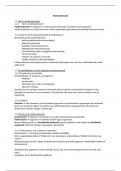
PMHN, 10e
Chapter 7 - ETB
Chapter 7. Therapeutic Communication
MULTIPLE CHOICE
1. Which therapeutic communication technique is being used in this nurse-client
interaction?
Client: “When I get angry, I get into a fistfight with my partner or I take it out on the
kids.”
Nurse: “I notice that you are smiling as you talk about this physical violence.”
1. Encouraging comparison
2. Exploring
3. Formulating a plan of action
4. Making observations
ANS: 4
Chapter: Chapter 7 Therapeutic Communication
Objective: Describe therapeutic and nontherapeutic verbal communication techniques.
Page: 126
Heading: Therapeutic Communication Techniques > Table 7–2 Therapeutic
Communication Techniques
Integrated Processes: Nursing Process: Implementation
Client Need: Psychosocial Integrity
Cognitive Level: Application [Applying]
Concept: Communication
Difficulty: Moderate
Feedback
1. This is incorrect. The nurse is using the therapeutic communication technique of
making observations by noting that the client smiles when talking about physical
violence. The technique of making observations encourages the client to compare
personal perceptions with those of the nurse. Encouraging comparison is a
therapeutic technique that involves asking the client to compare similarities and
differences in ideas, experiences, or interpersonal relationships.
2. This is incorrect. The nurse is using the therapeutic communication technique of
making observations by noting that the client smiles when talking about physical
violence. The technique of making observations encourages the client to compare
personal perceptions with those of the nurse.
3. This is incorrect. The nurse is using the therapeutic communication technique of
making observations by noting that the client smiles when talking about physical
violence. The technique of making observations encourages the client to compare
personal perceptions with those of the nurse. Formulating a plan assists the client in
making a plan to prevent anger or anxiety from escalating.
,Townsend
PMHN, 10e
Chapter 7 - ETB
4. This is correct. The nurse is using the therapeutic communication technique of
making observations by noting that the client smiles when talking about physical
violence. The technique of making observations encourages the client to compare
personal perceptions with those of the nurse.
CON: Communication
2. Which therapeutic communication technique is being used in this nurse-client
interaction?
Client: “My father spanked me often.”
Nurse: “Your father was a harsh disciplinarian.”
1. Restating
2. Offering general leads
3. Focusing
4. Accepting
ANS: 1
Chapter: Chapter 7 Therapeutic Communication
Objective: Describe therapeutic and nontherapeutic verbal communication techniques.
Page: 126
Heading: Therapeutic Communication Techniques > Table 7–2 Therapeutic
Communication Techniques
Integrated Processes: Nursing Process: Implementation
Client Need: Psychosocial Integrity
Cognitive Level: Application [Applying]
Concept: Communication
Difficulty: Moderate
Feedback
1. This is correct. The nurse is using the therapeutic communication technique of
restating. Restating involves repeating the main idea of what the client has said. The
nurse uses this technique to communicate that the client’s statement has been heard
and understood.
2. This is incorrect. The nurse is using the therapeutic communication technique of
restating. Restating involves repeating the main idea of what the client has said. The
nurse uses this technique to communicate that the client’s statement has been heard
and understood. Offering general leads to the client encourages the client to
continue.
3. This is incorrect. The nurse is using the therapeutic communication technique of
restating. Restating involves repeating the main idea of what the client has said. The
nurse uses this technique to communicate that the client’s statement has been heard
and understood. Focusing is when the nurse notices a single idea or even a single
word and works especially well with a client who is moving rapidly from one
thought to another. Focusing is not therapeutic with a client who is very anxious.
,Townsend
PMHN, 10e
Chapter 7 - ETB
4. This is incorrect. The nurse is using the therapeutic communication technique of
restating. Restating involves repeating the main idea of what the client has said. The
nurse uses this technique to communicate that the client’s statement has been heard
and understood. Accepting conveys an attitude of reception and regard.
CON: Communication
3. Which therapeutic communication technique is being used in this nurse-client
interaction?
Client: “When I am anxious, the only thing that calms me down is alcohol.”
Nurse: “Other than drinking, what alternatives have you explored to decrease anxiety?”
1. Reflecting
2. Making observations
3. Formulating a plan of action
4. Giving recognition
ANS: 3
Chapter: Chapter 7 Therapeutic Communication
Objective: Describe therapeutic and nontherapeutic verbal communication techniques.
Page: 126
Heading: Therapeutic Communication Techniques > Table 7–2 Therapeutic
Communication Techniques
Integrated Processes: Nursing Process: Implementation
Client Need: Psychosocial Integrity
Cognitive Level: Application [Applying]
Concept: Communication
Difficulty: Moderate
Feedback
1. This is incorrect. The nurse is using the therapeutic communication technique of
formulating a plan of action to help the client explore alternatives to drinking
alcohol. The use of this technique, rather than direct confrontation regarding the
client’s poor coping choice, may serve to prevent anger or anxiety from escalating.
Reflecting involves referring questions and feelings back to the client so that they
may be recognized and accepted and so that the client may recognize that his or her
point of view has value.
2. This is incorrect. The nurse is using the therapeutic communication technique of
formulating a plan of action to help the client explore alternatives to drinking
alcohol. The use of this technique, rather than direct confrontation regarding the
client’s poor coping choice, may serve to prevent anger or anxiety from escalating.
Making observations involves verbalizing what is observed or perceived and
encourages the client to recognize specific behaviors and compare perceptions with
the nurse.
3. This is correct. The nurse is using the therapeutic communication technique of
, Townsend
PMHN, 10e
Chapter 7 - ETB
formulating a plan of action to help the client explore alternatives to drinking
alcohol. The use of this technique, rather than direct confrontation regarding the
client’s poor coping choice, may serve to prevent anger or anxiety from escalating.
4. This is incorrect. The nurse is using the therapeutic communication technique of
formulating a plan of action to help the client explore alternatives to drinking
alcohol. The use of this technique, rather than direct confrontation regarding the
client’s poor coping choice, may serve to prevent anger or anxiety from escalating.
Giving recognition is acknowledging and indicating the client’s awareness.
CON: Communication
4. The nurse is interviewing a newly admitted psychiatric client. Which nursing
statement is an example of offering a general lead?
1. “Do you know why you are here?”
2. “Are you feeling depressed or anxious?”
3. “Yes, I see. Go on.”
4. “Can you chronologically order the events that led to your admission?”
ANS: 3
Chapter: Chapter 7 Therapeutic Communication
Objective: Describe therapeutic and nontherapeutic verbal communication techniques.
Page: 126
Heading: Therapeutic Communication Techniques > Table 7–2 Therapeutic
Communication Techniques
Integrated Processes: Nursing Process: Implementation
Client Need: Psychosocial Integrity
Cognitive Level: Application [Applying]
Concept: Communication
Difficulty: Moderate
Feedback
1. This is incorrect. The question “Do you know why you are here?” is not an example
of offering a general lead. Offering a general lead encourages the client to continue
sharing information with minimal input from the nurse.
2. This is incorrect. The question “Are you feeling depressed or anxious?” is not an
example of offering a general lead. Offering a general lead encourages the client to
continue sharing information with minimal input from the nurse.
3. This is correct. The nurse’s statement is an example of the therapeutic
communication technique of a general lead. Offering a general lead encourages the
client to continue sharing information.
4. This is incorrect. The question “Can you chronologically order the events that led to
your admission?” is not an example of offering a general lead. Offering a general
lead encourages the client to continue sharing information with minimal input from
the nurse.
PMHN, 10e
Chapter 7 - ETB
Chapter 7. Therapeutic Communication
MULTIPLE CHOICE
1. Which therapeutic communication technique is being used in this nurse-client
interaction?
Client: “When I get angry, I get into a fistfight with my partner or I take it out on the
kids.”
Nurse: “I notice that you are smiling as you talk about this physical violence.”
1. Encouraging comparison
2. Exploring
3. Formulating a plan of action
4. Making observations
ANS: 4
Chapter: Chapter 7 Therapeutic Communication
Objective: Describe therapeutic and nontherapeutic verbal communication techniques.
Page: 126
Heading: Therapeutic Communication Techniques > Table 7–2 Therapeutic
Communication Techniques
Integrated Processes: Nursing Process: Implementation
Client Need: Psychosocial Integrity
Cognitive Level: Application [Applying]
Concept: Communication
Difficulty: Moderate
Feedback
1. This is incorrect. The nurse is using the therapeutic communication technique of
making observations by noting that the client smiles when talking about physical
violence. The technique of making observations encourages the client to compare
personal perceptions with those of the nurse. Encouraging comparison is a
therapeutic technique that involves asking the client to compare similarities and
differences in ideas, experiences, or interpersonal relationships.
2. This is incorrect. The nurse is using the therapeutic communication technique of
making observations by noting that the client smiles when talking about physical
violence. The technique of making observations encourages the client to compare
personal perceptions with those of the nurse.
3. This is incorrect. The nurse is using the therapeutic communication technique of
making observations by noting that the client smiles when talking about physical
violence. The technique of making observations encourages the client to compare
personal perceptions with those of the nurse. Formulating a plan assists the client in
making a plan to prevent anger or anxiety from escalating.
,Townsend
PMHN, 10e
Chapter 7 - ETB
4. This is correct. The nurse is using the therapeutic communication technique of
making observations by noting that the client smiles when talking about physical
violence. The technique of making observations encourages the client to compare
personal perceptions with those of the nurse.
CON: Communication
2. Which therapeutic communication technique is being used in this nurse-client
interaction?
Client: “My father spanked me often.”
Nurse: “Your father was a harsh disciplinarian.”
1. Restating
2. Offering general leads
3. Focusing
4. Accepting
ANS: 1
Chapter: Chapter 7 Therapeutic Communication
Objective: Describe therapeutic and nontherapeutic verbal communication techniques.
Page: 126
Heading: Therapeutic Communication Techniques > Table 7–2 Therapeutic
Communication Techniques
Integrated Processes: Nursing Process: Implementation
Client Need: Psychosocial Integrity
Cognitive Level: Application [Applying]
Concept: Communication
Difficulty: Moderate
Feedback
1. This is correct. The nurse is using the therapeutic communication technique of
restating. Restating involves repeating the main idea of what the client has said. The
nurse uses this technique to communicate that the client’s statement has been heard
and understood.
2. This is incorrect. The nurse is using the therapeutic communication technique of
restating. Restating involves repeating the main idea of what the client has said. The
nurse uses this technique to communicate that the client’s statement has been heard
and understood. Offering general leads to the client encourages the client to
continue.
3. This is incorrect. The nurse is using the therapeutic communication technique of
restating. Restating involves repeating the main idea of what the client has said. The
nurse uses this technique to communicate that the client’s statement has been heard
and understood. Focusing is when the nurse notices a single idea or even a single
word and works especially well with a client who is moving rapidly from one
thought to another. Focusing is not therapeutic with a client who is very anxious.
,Townsend
PMHN, 10e
Chapter 7 - ETB
4. This is incorrect. The nurse is using the therapeutic communication technique of
restating. Restating involves repeating the main idea of what the client has said. The
nurse uses this technique to communicate that the client’s statement has been heard
and understood. Accepting conveys an attitude of reception and regard.
CON: Communication
3. Which therapeutic communication technique is being used in this nurse-client
interaction?
Client: “When I am anxious, the only thing that calms me down is alcohol.”
Nurse: “Other than drinking, what alternatives have you explored to decrease anxiety?”
1. Reflecting
2. Making observations
3. Formulating a plan of action
4. Giving recognition
ANS: 3
Chapter: Chapter 7 Therapeutic Communication
Objective: Describe therapeutic and nontherapeutic verbal communication techniques.
Page: 126
Heading: Therapeutic Communication Techniques > Table 7–2 Therapeutic
Communication Techniques
Integrated Processes: Nursing Process: Implementation
Client Need: Psychosocial Integrity
Cognitive Level: Application [Applying]
Concept: Communication
Difficulty: Moderate
Feedback
1. This is incorrect. The nurse is using the therapeutic communication technique of
formulating a plan of action to help the client explore alternatives to drinking
alcohol. The use of this technique, rather than direct confrontation regarding the
client’s poor coping choice, may serve to prevent anger or anxiety from escalating.
Reflecting involves referring questions and feelings back to the client so that they
may be recognized and accepted and so that the client may recognize that his or her
point of view has value.
2. This is incorrect. The nurse is using the therapeutic communication technique of
formulating a plan of action to help the client explore alternatives to drinking
alcohol. The use of this technique, rather than direct confrontation regarding the
client’s poor coping choice, may serve to prevent anger or anxiety from escalating.
Making observations involves verbalizing what is observed or perceived and
encourages the client to recognize specific behaviors and compare perceptions with
the nurse.
3. This is correct. The nurse is using the therapeutic communication technique of
, Townsend
PMHN, 10e
Chapter 7 - ETB
formulating a plan of action to help the client explore alternatives to drinking
alcohol. The use of this technique, rather than direct confrontation regarding the
client’s poor coping choice, may serve to prevent anger or anxiety from escalating.
4. This is incorrect. The nurse is using the therapeutic communication technique of
formulating a plan of action to help the client explore alternatives to drinking
alcohol. The use of this technique, rather than direct confrontation regarding the
client’s poor coping choice, may serve to prevent anger or anxiety from escalating.
Giving recognition is acknowledging and indicating the client’s awareness.
CON: Communication
4. The nurse is interviewing a newly admitted psychiatric client. Which nursing
statement is an example of offering a general lead?
1. “Do you know why you are here?”
2. “Are you feeling depressed or anxious?”
3. “Yes, I see. Go on.”
4. “Can you chronologically order the events that led to your admission?”
ANS: 3
Chapter: Chapter 7 Therapeutic Communication
Objective: Describe therapeutic and nontherapeutic verbal communication techniques.
Page: 126
Heading: Therapeutic Communication Techniques > Table 7–2 Therapeutic
Communication Techniques
Integrated Processes: Nursing Process: Implementation
Client Need: Psychosocial Integrity
Cognitive Level: Application [Applying]
Concept: Communication
Difficulty: Moderate
Feedback
1. This is incorrect. The question “Do you know why you are here?” is not an example
of offering a general lead. Offering a general lead encourages the client to continue
sharing information with minimal input from the nurse.
2. This is incorrect. The question “Are you feeling depressed or anxious?” is not an
example of offering a general lead. Offering a general lead encourages the client to
continue sharing information with minimal input from the nurse.
3. This is correct. The nurse’s statement is an example of the therapeutic
communication technique of a general lead. Offering a general lead encourages the
client to continue sharing information.
4. This is incorrect. The question “Can you chronologically order the events that led to
your admission?” is not an example of offering a general lead. Offering a general
lead encourages the client to continue sharing information with minimal input from
the nurse.