COSMETIC SCIENCE
Full year work
,Table of Contents
Acids Overview ........................................................................................................... 3
Definition .................................................................................................................................... 3
Physical Properties..................................................................................................................... 3
Chemical Properties................................................................................................................... 3
Inorganic Acids ......................................................................................................... 4
Organic Acids ............................................................................................................ 4
Bases or Alkalis ........................................................................................................ 5
pH (Potential Hydrogen) .......................................................................................... 7
Scale .......................................................................................................................................... 7
pH Values ................................................................................................................................... 7
Effect on Skin ............................................................................................................................ 8
Salts .......................................................................................................................... 9
Ionic Compounds ....................................................................................................................... 9
Properties ................................................................................................................................... 9
. Uses of Salts .......................................................................................................... 10
pH in Skincare ........................................................................................................ 10
Importance of pH ..................................................................................................................... 10
Effects of pH on the Skin .......................................................................................................... 10
Neutralization Reactions ....................................................................................................... 10
Buffers ..................................................................................................................................... 10
Saponification: Making Soap .................................................................................. 12
Definition .................................................................................................................................. 12
Key Processes.......................................................................................................................... 12
Ester ......................................................................................................................................... 12
Fats .......................................................................................................................................... 13
Base-Driven Hydrolysis of an Ester (Saponification) .......................................................... 13
Types of Soap........................................................................................................... 13
1. Solid Soap ............................................................................................................................ 13
2. Liquid Soap........................................................................................................................... 13
How Does Soap Work? .............................................................................................. 13
Way 1: As an Emulsifier ............................................................................................................ 13
Way 2: As a Surfactant ............................................................................................................. 14
Making Different Types of Soap .............................................................................. 14
1. Castile Soap ......................................................................................................................... 14
2. Transparent Soap ................................................................................................................. 14
3. Floating Soap ....................................................................................................................... 14
4. Liquid or Soft Soap ............................................................................................................... 14
5. Medicinal Soap ..................................................................................................................... 14
,Types of Surfactants .............................................................................................. 15
1. Anionic Surfactant................................................................................................................. 15
2. Cationic Surfactant ............................................................................................................... 15
3. Non-Ionic Surfactant ............................................................................................................. 15
4. Amphoteric Surfactant .......................................................................................................... 15
Detergents ............................................................................................................... 15
Definition .................................................................................................................................. 15
Characteristics .......................................................................................................................... 15
Movement of Electrons ........................................................................................................... 16
Production of Electricity ......................................................................................................... 16
Static Electricity ..................................................................................................................... 17
Characteristics of a Charged Body ......................................................................................... 17
Additional Characteristics .................................................................................................... 17
Electrical Current & Electrical Circuits ............................................................................... 19
Electro-Magnetic Induction .................................................................................................... 21
Electrical Circuits ................................................................................................................... 21
Electrical Components ............................................................................................................ 22
Ohm's Law ............................................................................................................................... 22
Reading an Electrical Circuit ................................................................................................. 23
Distribution to Customers.......................................................................................................... 23
Safety Precautions ................................................................................................................ 23
Power Circuit & Light Circuit ................................................................................................... 24
Electrical Power & Power Ratings ............................................................................................. 24
Electrical Power ........................................................................................................................ 24
Power Ratings .......................................................................................................................... 25
Instruments & Components .................................................................................................. 25
Transformers .......................................................................................................................... 25
Rectifiers.................................................................................................................................. 25
, Cosmetic Science 206
Acids Overview
Definition
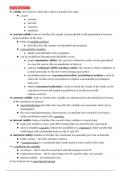
• Acid: Any hydrogen-containing substance that
can donate a proton (hydrogen ion, H+H+) or accept an electron pair in
chemical reactions.
Physical Properties
• Taste: Sharp, sour taste (e.g., lemon juice).
• Texture: Rough feel.
Chemical Properties
• Proton Presence: Contain H+H+ (proton).
• Proton Donor: Act as proton donors in protolytic reactions.
• Dissolution: Dissolve in water to form H3O+H3O+ and ions (ionization).
• Electrolyte Formation: Form electrolytes when dissolved in water.
• pH Level: pH < 7 (indicating acidity).
Full year work
,Table of Contents
Acids Overview ........................................................................................................... 3
Definition .................................................................................................................................... 3
Physical Properties..................................................................................................................... 3
Chemical Properties................................................................................................................... 3
Inorganic Acids ......................................................................................................... 4
Organic Acids ............................................................................................................ 4
Bases or Alkalis ........................................................................................................ 5
pH (Potential Hydrogen) .......................................................................................... 7
Scale .......................................................................................................................................... 7
pH Values ................................................................................................................................... 7
Effect on Skin ............................................................................................................................ 8
Salts .......................................................................................................................... 9
Ionic Compounds ....................................................................................................................... 9
Properties ................................................................................................................................... 9
. Uses of Salts .......................................................................................................... 10
pH in Skincare ........................................................................................................ 10
Importance of pH ..................................................................................................................... 10
Effects of pH on the Skin .......................................................................................................... 10
Neutralization Reactions ....................................................................................................... 10
Buffers ..................................................................................................................................... 10
Saponification: Making Soap .................................................................................. 12
Definition .................................................................................................................................. 12
Key Processes.......................................................................................................................... 12
Ester ......................................................................................................................................... 12
Fats .......................................................................................................................................... 13
Base-Driven Hydrolysis of an Ester (Saponification) .......................................................... 13
Types of Soap........................................................................................................... 13
1. Solid Soap ............................................................................................................................ 13
2. Liquid Soap........................................................................................................................... 13
How Does Soap Work? .............................................................................................. 13
Way 1: As an Emulsifier ............................................................................................................ 13
Way 2: As a Surfactant ............................................................................................................. 14
Making Different Types of Soap .............................................................................. 14
1. Castile Soap ......................................................................................................................... 14
2. Transparent Soap ................................................................................................................. 14
3. Floating Soap ....................................................................................................................... 14
4. Liquid or Soft Soap ............................................................................................................... 14
5. Medicinal Soap ..................................................................................................................... 14
,Types of Surfactants .............................................................................................. 15
1. Anionic Surfactant................................................................................................................. 15
2. Cationic Surfactant ............................................................................................................... 15
3. Non-Ionic Surfactant ............................................................................................................. 15
4. Amphoteric Surfactant .......................................................................................................... 15
Detergents ............................................................................................................... 15
Definition .................................................................................................................................. 15
Characteristics .......................................................................................................................... 15
Movement of Electrons ........................................................................................................... 16
Production of Electricity ......................................................................................................... 16
Static Electricity ..................................................................................................................... 17
Characteristics of a Charged Body ......................................................................................... 17
Additional Characteristics .................................................................................................... 17
Electrical Current & Electrical Circuits ............................................................................... 19
Electro-Magnetic Induction .................................................................................................... 21
Electrical Circuits ................................................................................................................... 21
Electrical Components ............................................................................................................ 22
Ohm's Law ............................................................................................................................... 22
Reading an Electrical Circuit ................................................................................................. 23
Distribution to Customers.......................................................................................................... 23
Safety Precautions ................................................................................................................ 23
Power Circuit & Light Circuit ................................................................................................... 24
Electrical Power & Power Ratings ............................................................................................. 24
Electrical Power ........................................................................................................................ 24
Power Ratings .......................................................................................................................... 25
Instruments & Components .................................................................................................. 25
Transformers .......................................................................................................................... 25
Rectifiers.................................................................................................................................. 25
, Cosmetic Science 206
Acids Overview
Definition
• Acid: Any hydrogen-containing substance that
can donate a proton (hydrogen ion, H+H+) or accept an electron pair in
chemical reactions.
Physical Properties
• Taste: Sharp, sour taste (e.g., lemon juice).
• Texture: Rough feel.
Chemical Properties
• Proton Presence: Contain H+H+ (proton).
• Proton Donor: Act as proton donors in protolytic reactions.
• Dissolution: Dissolve in water to form H3O+H3O+ and ions (ionization).
• Electrolyte Formation: Form electrolytes when dissolved in water.
• pH Level: pH < 7 (indicating acidity).