Diabetes
11 August 2020 12:23
What causes Diabetes?
Diabetes is a chronic condition associated with abnormally high levels of sugar (glucose) in the blood.
Insulin produced by the pancreas lowers blood glucose. Absence or insufficient production of insulin, or an inability of the body to properly use insulin causes diabetes.
Common symptoms of undiagnosed diabetes:
• Excessive thirst.
• Frequent urination.
• Fatigue.
• Losing weight without trying to.
• Blurred vision.
• Slow healing sores.
• Frequent infections.
• Tingling in your hands or feet.
How to lower the blood glucose level?
Drinking Water:
Drinking water can help your body release more urine and therefore blood glucose. However, you shouldn't drink excessive amou nts of water if you have heart or kidney
problems.
Eat a high-protein snack:
High-protein foods can help to stabilize blood sugar.
Exercise (Cardio):
Exercising can also help lower blood sugar by promoting glycolysis contributing to the breakdown of glucose and serving as energy to the body. Physical activity causes the
body to demand glucose for energy. As a result, the cells deliver glucose to the muscles, and blood sugar levels usually drop.
If ketones are present, you shouldn’t exercise. This is a symptom that your body is breaking down fats for energy, and your blood sugar levels will actually increase when
you exercise. Blood sugar higher than 250mg/dL indicates presence of ketones in urine. This can be an indication of kidney failure later on in life.
Injecting insulin/ blood glucose medications:
When your blood sugar is too high, administering fast-acting insulin can usually bring your blood sugar down the fastest.
Diabetes - Emergency situations:
High blood sugars can be very concerning because your body can start burning fat for energy instead of blood glucose. This can cause conditions such as diabetic
ketoacidosis (DKA) and hyperglycaemic hyperosmolar syndrome (HHS). These conditions are medical emergencies and can be fatal if left untreated.
High blood sugar levels can cause a fluid imbalance in the body and can cause the blood to become acidic in a manner that doesn’t support life.
Treatments for these conditions include:
• Administering intravenous insulin on a continuous basis
• Giving IV fluids to correct dehydration.
Insulin = Promotes glycolysis and decreases high blood sugar levels.
Glucagon = Promotes gluconeogenesis and increases low blood sugar levels.
Diabetes Mellitus:
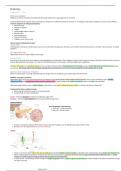
Key Components in the pancreas:
• Alpha cell - secretes glucagon
• Beta cell - secretes insulin
○ Greater consumption of glucose from diet can lead to high levels of glucose in the bloodstream and therefore in cells.
○ Glucose CAN'T be used by the CELLS as source of energy.
Insulin:
○ Insulin is a hormone which reduces the amount of glucose in blood by binding to insulin receptors embedded in the cell membrane of eg. muscle cell, adipose tissue.
○ When activated, glucose transporter inside cell fuse with the cell membrane to transport insulin into the cell. Glucose cannot enter the cell on its own so, insulin
attaches to insulin receptor and signals cells to absorb sugar from the bloodstream.
○ In many tissues - muscle being a prime example, the major transporter used for uptake of glucose (called GLUT4) is made available in the plasma membrane through
the action of insulin.
Glucagon:
Diabetes Page 1
11 August 2020 12:23
What causes Diabetes?
Diabetes is a chronic condition associated with abnormally high levels of sugar (glucose) in the blood.
Insulin produced by the pancreas lowers blood glucose. Absence or insufficient production of insulin, or an inability of the body to properly use insulin causes diabetes.
Common symptoms of undiagnosed diabetes:
• Excessive thirst.
• Frequent urination.
• Fatigue.
• Losing weight without trying to.
• Blurred vision.
• Slow healing sores.
• Frequent infections.
• Tingling in your hands or feet.
How to lower the blood glucose level?
Drinking Water:
Drinking water can help your body release more urine and therefore blood glucose. However, you shouldn't drink excessive amou nts of water if you have heart or kidney
problems.
Eat a high-protein snack:
High-protein foods can help to stabilize blood sugar.
Exercise (Cardio):
Exercising can also help lower blood sugar by promoting glycolysis contributing to the breakdown of glucose and serving as energy to the body. Physical activity causes the
body to demand glucose for energy. As a result, the cells deliver glucose to the muscles, and blood sugar levels usually drop.
If ketones are present, you shouldn’t exercise. This is a symptom that your body is breaking down fats for energy, and your blood sugar levels will actually increase when
you exercise. Blood sugar higher than 250mg/dL indicates presence of ketones in urine. This can be an indication of kidney failure later on in life.
Injecting insulin/ blood glucose medications:
When your blood sugar is too high, administering fast-acting insulin can usually bring your blood sugar down the fastest.
Diabetes - Emergency situations:
High blood sugars can be very concerning because your body can start burning fat for energy instead of blood glucose. This can cause conditions such as diabetic
ketoacidosis (DKA) and hyperglycaemic hyperosmolar syndrome (HHS). These conditions are medical emergencies and can be fatal if left untreated.
High blood sugar levels can cause a fluid imbalance in the body and can cause the blood to become acidic in a manner that doesn’t support life.
Treatments for these conditions include:
• Administering intravenous insulin on a continuous basis
• Giving IV fluids to correct dehydration.
Insulin = Promotes glycolysis and decreases high blood sugar levels.
Glucagon = Promotes gluconeogenesis and increases low blood sugar levels.
Diabetes Mellitus:
Key Components in the pancreas:
• Alpha cell - secretes glucagon
• Beta cell - secretes insulin
○ Greater consumption of glucose from diet can lead to high levels of glucose in the bloodstream and therefore in cells.
○ Glucose CAN'T be used by the CELLS as source of energy.
Insulin:
○ Insulin is a hormone which reduces the amount of glucose in blood by binding to insulin receptors embedded in the cell membrane of eg. muscle cell, adipose tissue.
○ When activated, glucose transporter inside cell fuse with the cell membrane to transport insulin into the cell. Glucose cannot enter the cell on its own so, insulin
attaches to insulin receptor and signals cells to absorb sugar from the bloodstream.
○ In many tissues - muscle being a prime example, the major transporter used for uptake of glucose (called GLUT4) is made available in the plasma membrane through
the action of insulin.
Glucagon:
Diabetes Page 1