P2 - Describe the characteristics of nutrients and their benefits to the body.
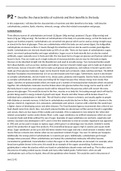
In this assignment, I will describe the characteristics of nutrients and their benefits to the body. I will describe
carbohydrates, proteins, lipids, vitamins, minerals, energy, other diet-related consumption and groups.
Carbohydrates;
Three dietary sources of carbohydrates are bread (12.8g per 100g serving), potatoes (17g per 100g serving) and
beans (21g per 100g serving). The function of carbohydrates in the body is to provide energy, so that the body and
organs can function properly. Carbohydrates are converted into glucose which can be used as energy straight away,
or stored in the form of glycogen. There are carbohydrates which the body can and cannot digest, the indigestible
carbohydrates are known as fibre. It travels through the intestines and can also be used to sustain good digestive
health. Carbohydrates are vital and should make up 50% of our diet. There are four types of carbohydrates; sugars,
starch, non-starch polysaccharides and sugar substitutes. Sugars occur in food naturally but can also be created
artificially, sugars naturally occur in fruits and milk. The two basic forms of sugar are glucose and fructose which are
found in fruits. They are made up of a single molecule of monosaccharides and are easy for the body to digest.
Glucose can be absorbed straight into the bloodstream and used to provide energy. Two monosaccharides would
form disaccharides, such as sucrose, lactose and maltose. Sucrose is found in table sugar and is made up of glucose
and fructose, lactose is found in milk and is made up of glucose and galactose, and maltose is found in grains and is
made up of two glucose molecules. Sugar can be found in foods such as biscuits, cakes, ketchup and beer. The British
Nutrition Foundation recommends that 11% of our diet should come from sugar. Furthermore, starch is also known
as complex carbohydrates, and are found in rice, bread, pasta, potatoes and chapattis. Starchy foods are also known
as complex carbohydrates, which keep you feeling full for longer because they release energy more slowly than
sugars. Starches are polysaccharides which are made up of a number of monosaccharide molecules which are joined
together. All carbohydrate molecules must be broken down into glucose before the energy can be used by cells. If
the body doesn’t need any more glucose insulin will be released from the pancreas which will convert the extra
glucose into glycogen. This would be stored in the liver, muscles or as body fat. Not eating enough starch will lead to
protein being used for energy instead of growth and repair. Muscle and other tissues will be broken down if an
individual lacks carbohydrates in their diet. This will lead to what is known as ketosis, and usually applies to people
with diabetes or anorexia nervosa. A diet low in carbohydrates would also be low in fibre, vitamin A, vitamins in the
B group, vitamin E, magnesium, iron, potassium, antioxidants and calcium. A person with a diet like this would have
a higher chance of developing cancer and other diseases. The Food Standard Agency recommends that a third of our
food should come from starch. Also, non-starch polysaccharides are also known as fibre and are found in vegetables
and cereals, there are two types of fibre soluble and insoluble. (This is explained in more detail in the ‘other diet-
related consumption’ section under dietary fibre). Lastly, sugar substitutes are artificial sweeteners which are used
to sweeten foods and drinks without the use of sugar. Examples of sugar substitutes are saccharin, aspartame and
sorbitol. Saccharin was developed in 1879, and it is the first sweetener to ever be created. Aspartame was approved
in 1982 and can be used in recipes to replace sugar, which gives it an advantage over Saccharin. Sorbitol is mainly
used in the production of sugar-free products. This is beneficial because sugar is high in calories and causes tooth
decay. Sugar substitutes can be up to 200-300 times sweeter than sugar and only a small amount is needed, which
means that we consume less calories when we use sweetener instead of sugar. You save 15 calories per teaspoon.
Additionally, the energy yield of carbohydrates is 4 calories per gram. Additionally, carbohydrates go through
changes when processed. When carbohydrates are heated the carbohydrate molecules will either become
caramelized or gelatinized. Caramelization is when the sugars in the carbohydrates are browned. For example, when
bread turns golden brown in the oven, this would be an example of the sugars caramelizing. Furthermore,
gelatinization is when the starches which are found in carbohydrates absorb water and swell up. This is often used in
the process of making cooked sauces, breads and many other baked goods. Furthermore, when we add
carbohydrates such as flour to liquids, they will also gelatinize when heated. This would be used in the process of
Unit 21-P2
In this assignment, I will describe the characteristics of nutrients and their benefits to the body. I will describe
carbohydrates, proteins, lipids, vitamins, minerals, energy, other diet-related consumption and groups.
Carbohydrates;
Three dietary sources of carbohydrates are bread (12.8g per 100g serving), potatoes (17g per 100g serving) and
beans (21g per 100g serving). The function of carbohydrates in the body is to provide energy, so that the body and
organs can function properly. Carbohydrates are converted into glucose which can be used as energy straight away,
or stored in the form of glycogen. There are carbohydrates which the body can and cannot digest, the indigestible
carbohydrates are known as fibre. It travels through the intestines and can also be used to sustain good digestive
health. Carbohydrates are vital and should make up 50% of our diet. There are four types of carbohydrates; sugars,
starch, non-starch polysaccharides and sugar substitutes. Sugars occur in food naturally but can also be created
artificially, sugars naturally occur in fruits and milk. The two basic forms of sugar are glucose and fructose which are
found in fruits. They are made up of a single molecule of monosaccharides and are easy for the body to digest.
Glucose can be absorbed straight into the bloodstream and used to provide energy. Two monosaccharides would
form disaccharides, such as sucrose, lactose and maltose. Sucrose is found in table sugar and is made up of glucose
and fructose, lactose is found in milk and is made up of glucose and galactose, and maltose is found in grains and is
made up of two glucose molecules. Sugar can be found in foods such as biscuits, cakes, ketchup and beer. The British
Nutrition Foundation recommends that 11% of our diet should come from sugar. Furthermore, starch is also known
as complex carbohydrates, and are found in rice, bread, pasta, potatoes and chapattis. Starchy foods are also known
as complex carbohydrates, which keep you feeling full for longer because they release energy more slowly than
sugars. Starches are polysaccharides which are made up of a number of monosaccharide molecules which are joined
together. All carbohydrate molecules must be broken down into glucose before the energy can be used by cells. If
the body doesn’t need any more glucose insulin will be released from the pancreas which will convert the extra
glucose into glycogen. This would be stored in the liver, muscles or as body fat. Not eating enough starch will lead to
protein being used for energy instead of growth and repair. Muscle and other tissues will be broken down if an
individual lacks carbohydrates in their diet. This will lead to what is known as ketosis, and usually applies to people
with diabetes or anorexia nervosa. A diet low in carbohydrates would also be low in fibre, vitamin A, vitamins in the
B group, vitamin E, magnesium, iron, potassium, antioxidants and calcium. A person with a diet like this would have
a higher chance of developing cancer and other diseases. The Food Standard Agency recommends that a third of our
food should come from starch. Also, non-starch polysaccharides are also known as fibre and are found in vegetables
and cereals, there are two types of fibre soluble and insoluble. (This is explained in more detail in the ‘other diet-
related consumption’ section under dietary fibre). Lastly, sugar substitutes are artificial sweeteners which are used
to sweeten foods and drinks without the use of sugar. Examples of sugar substitutes are saccharin, aspartame and
sorbitol. Saccharin was developed in 1879, and it is the first sweetener to ever be created. Aspartame was approved
in 1982 and can be used in recipes to replace sugar, which gives it an advantage over Saccharin. Sorbitol is mainly
used in the production of sugar-free products. This is beneficial because sugar is high in calories and causes tooth
decay. Sugar substitutes can be up to 200-300 times sweeter than sugar and only a small amount is needed, which
means that we consume less calories when we use sweetener instead of sugar. You save 15 calories per teaspoon.
Additionally, the energy yield of carbohydrates is 4 calories per gram. Additionally, carbohydrates go through
changes when processed. When carbohydrates are heated the carbohydrate molecules will either become
caramelized or gelatinized. Caramelization is when the sugars in the carbohydrates are browned. For example, when
bread turns golden brown in the oven, this would be an example of the sugars caramelizing. Furthermore,
gelatinization is when the starches which are found in carbohydrates absorb water and swell up. This is often used in
the process of making cooked sauces, breads and many other baked goods. Furthermore, when we add
carbohydrates such as flour to liquids, they will also gelatinize when heated. This would be used in the process of
Unit 21-P2