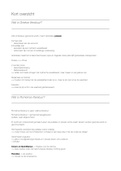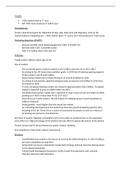
STUART BRITAIN AND THE CRISIS OF MONARCHY
TIMINGS
Sources: 1 hour (3x 20mins)
Essays: 2 x 45mins
SOURCES
• 1) Overall argument
• 2) Supporting arguments
• 3) Evaluation
• This argument is corroborated by
• Historian is correct to emphasise
• Historian is astute to argue that
• Historian is correct to identify
• Historian is convincing in their claim
• Historian neglects to mention
• Historian is incorrect to argue that
• Historian is not convincing in mentioning
• Historian wrongly identifies
• 4) Judgement on how convincing (the most/least convincing)
Marxist Historians:
e.g. Hill
• James I was unsuccessful
• The Restoration permanently altered England and weakened crown.
• Glorious Revolution was not as important as the events of the 1640s.
Whig Historians:
e.g. Trevelyan
• James I was unsuccessful
• C was partly to blame for the Civil War but it was an inevitable outcome of
the 4 decades of constitutional conflict.
• The Restoration permanently altered England and weakened crown.
• Glorious Revolution was not as important as the events of the 1640s.
Revisionists:
e.g. Morrill, Sharpe, Russell and Coward
• James I was successful
• C was partly to blame for the Civil War but it was due to short-term causes.
• The Glorious Revolution did not stop the drift towards absolutism.
Post-Revisionists:
e.g. Keith Wrightson, Cogswell and Richard Cust
• James I was unsuccessful
• The Restoration permanently altered England and weakened crown.
TIMINGS
Sources: 1 hour (3x 20mins)
Essays: 2 x 45mins
SOURCES
• 1) Overall argument
• 2) Supporting arguments
• 3) Evaluation
• This argument is corroborated by
• Historian is correct to emphasise
• Historian is astute to argue that
• Historian is correct to identify
• Historian is convincing in their claim
• Historian neglects to mention
• Historian is incorrect to argue that
• Historian is not convincing in mentioning
• Historian wrongly identifies
• 4) Judgement on how convincing (the most/least convincing)
Marxist Historians:
e.g. Hill
• James I was unsuccessful
• The Restoration permanently altered England and weakened crown.
• Glorious Revolution was not as important as the events of the 1640s.
Whig Historians:
e.g. Trevelyan
• James I was unsuccessful
• C was partly to blame for the Civil War but it was an inevitable outcome of
the 4 decades of constitutional conflict.
• The Restoration permanently altered England and weakened crown.
• Glorious Revolution was not as important as the events of the 1640s.
Revisionists:
e.g. Morrill, Sharpe, Russell and Coward
• James I was successful
• C was partly to blame for the Civil War but it was due to short-term causes.
• The Glorious Revolution did not stop the drift towards absolutism.
Post-Revisionists:
e.g. Keith Wrightson, Cogswell and Richard Cust
• James I was unsuccessful
• The Restoration permanently altered England and weakened crown.