100% tevredenheidsgarantie Direct beschikbaar na je betaling Lees online óf als PDF Geen vaste maandelijkse kosten 4,6 TrustPilot
logo-home
Tentamen (uitwerkingen)

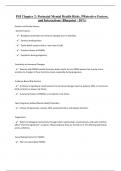
PSI Chapter 2: Perinatal Mental Health Risks, PRotective Factors, and Interactions (Blueprint - 10%)

Beoordeling
-
Verkocht
-
Pagina's
9
Cijfer
A+
Geüpload op
07-08-2024
Geschreven in
2024/2025

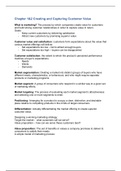
PSI Chapter 2: Perinatal Mental Health Risks, PRotective Factors, and Interactions (Blueprint - 10%) Genetic and Family History: - Genetic Factors: - ️ Biological sensitivities to hormonal changes (runs in families). - ️ Genetic predisposition. - ️ Faulty belief systems (old vs. new view of self). - ️ Previous history of PMADs. - ️ Symptoms during pregnancy. Sensitivity to Hormonal Changes: - ️ Women with PMADs exhibit hormone levels similar to non-PMAD women but may be more sensitive to changes in those hormone levels, especially during pregnancy. Evidence-Based Risk Factors: - ️ A history of significant mood reactions to hormonal changes (such as puberty, PMS, or hormonal birth control) is a known risk factor. - ️ A personal history of PMADs is considered a risk factor. Non-Pregnancy Related Mental Health Disorders: - ️ History of depression, anxiety, OCD, eating disorders, and bipolar disorders. Epigenetics: - ️ Refers to biological mechanisms through which relationships, environments, and early nutrition affect "chemical signatures" on genes, influencing how they are turned on or off, affecting well-being across a lifetime. Exacerbating Factors for PMADs: - ️ Pain can exacerbate PMADs. - ️ A history of thyroid imbalance increases the risk of PMADs; it’s crucial to assess patients for thyroid dysfunction. Increased Risk Groups for PMADs: - ️ Women with endocrine disorders. - ️ Women experiencing fertility challenges. - ️ Those with thyroid imbalances. - ️ Individuals experiencing pain. Hormonal Interactions: - ️ Thyroid dysfunction and anemia can reduce milk supply and potentially cause depression. - ️ Galactagogues can help increase milk supply but may also cause depression. - ️ Breastfeeding and depression have a bi-directional relationship. - ️ Depression suppresses prolactin and oxytocin, both crucial hormones for lactation. Impact of Delivery Method: - ️ Suppression of oxytocin can occur with C-section deliveries, stressful or traumatic births, as well as with interventions like epidurals, leading to potential lactation problems. Pregnancy and Diabetes: - ️ True: Postpartum depression (PPD) is more common among women with pre-pregnancy diabetes (34.8% prevalence). - ️ Gestational diabetes is not associated with increased rates of PPD. Polycystic Ovarian Syndrome (PCOS): - ️ A hormonal disorder that can lead to perinatal symptoms such as anxiety and depression. Common Exacerbating Factors for PMADs: - ️ Lack of sleep. - ️ Abrupt discontinuation of breastfeeding. - ️ Breastfeeding complications. - ️ Labor and delivery complications. - ️ Social factors and interpersonal violence. - ️ Financial stress and poverty. - ️ Recent loss or moves. - ️ Barriers to accessing care (including institutional racism). - ️ Child care stress and relationship stress. - ️ Perinatal loss or history of childhood sexual abuse. - ️ Health complications and climate stressors. - ️ Returning to work and baby's temperament. - ️ Age-related stress and deployments of spouses. Timing for Perinatal Stress Risk: - ️ Most prevalent three months after birth. Recommended Screening by PSI: - ️ 1st prenatal visit - ️ At least once in the first trimester - ️ At least once in the third trimester - ️ 6-week postpartum visit - ️ Repeated screenings at 6 and 12-month OB or PCP visits - ️ 3, 9, and 12-month pediatric visits Types of Support: - Professional Support: - ️ Individual, couples, and group therapy. - ️ Pelvic floor physical therapy. - Informal Social Support: - ️ Family and friends. - Formal Social Support: - ️ Peer support groups. - ️ Email and online support. - ️ Phone support. Faith based and spiritual support ️- Another support resource for client and family. - Often "first responders" to mailise and it is important to evaluate such support during the assessment. What is most important for treatment? ️- Sleep. Mothers will not improve without adequate sleep. Will medications work without sleep? ️- No. Does a lack of sleep put mom at risk for mania? ️- Yes. Women with bipolar disorder are at higher risk of PMADs and need at least ________________ of continuous sleep. ️- 6 hours Proper postpartum sleep hygiene practices ️- No electronics 30-60 minutes before bed - go to bed when sleepy - Avoid alcohol, caffeine, and nicotine before bed - Pre bed ritual (bath, shower) - Small protein snack - Dark, comfortable sleeping environment - Educated about baby sleep - Enlist partner support in taking shifts - Consider children/pets in bed that may disturb sleep - Plan for "me time" and "us time' What is the mortality rate for pregnant women? ️- 43.5 deaths per 100,000 live births for black

Meer zien Lees minder
Instelling
Vak


Oeps! We kunnen je document nu niet laden. Probeer het nog eens of neem contact op met support.

Geschreven voor

Instelling
Studie
Vak

Documentinformatie

Geüpload op
7 augustus 2024
Aantal pagina's
9
Geschreven in
2024/2025
Type
Tentamen (uitwerkingen)
Bevat
Vragen en antwoorden

Onderwerpen

Voorbeeld van de inhoud

PSI Chapter 2: Perinatal Mental Health Risks, PRotective Factors,
and Interactions (Blueprint - 10%)
Genetic and Family History:

- Genetic Factors:

- ✔️ Biological sensitivities to hormonal changes (runs in families).

- ✔️ Genetic predisposition.

- ✔️ Faulty belief systems (old vs. new view of self).

- ✔️ Previous history of PMADs.

- ✔️ Symptoms during pregnancy.


Sensitivity to Hormonal Changes:

- ✔️ Women with PMADs exhibit hormone levels similar to non-PMAD women but may be more
sensitive to changes in those hormone levels, especially during pregnancy.


Evidence-Based Risk Factors:

- ✔️ A history of significant mood reactions to hormonal changes (such as puberty, PMS, or hormonal
birth control) is a known risk factor.

- ✔️ A personal history of PMADs is considered a risk factor.


Non-Pregnancy Related Mental Health Disorders:

- ✔️ History of depression, anxiety, OCD, eating disorders, and bipolar disorders.


Epigenetics:

- ✔️ Refers to biological mechanisms through which relationships, environments, and early nutrition
affect "chemical signatures" on genes, influencing how they are turned on or off, affecting well-being
across a lifetime.


Exacerbating Factors for PMADs:

- ✔️ Pain can exacerbate PMADs.

, - ✔️ A history of thyroid imbalance increases the risk of PMADs; it’s crucial to assess patients for
thyroid dysfunction.


Increased Risk Groups for PMADs:

- ✔️ Women with endocrine disorders.

- ✔️ Women experiencing fertility challenges.

- ✔️ Those with thyroid imbalances.

- ✔️ Individuals experiencing pain.


Hormonal Interactions:

- ✔️ Thyroid dysfunction and anemia can reduce milk supply and potentially cause depression.

- ✔️ Galactagogues can help increase milk supply but may also cause depression.

- ✔️ Breastfeeding and depression have a bi-directional relationship.

- ✔️ Depression suppresses prolactin and oxytocin, both crucial hormones for lactation.


Impact of Delivery Method:

- ✔️ Suppression of oxytocin can occur with C-section deliveries, stressful or traumatic births, as well as
with interventions like epidurals, leading to potential lactation problems.


Pregnancy and Diabetes:

- ✔️ True: Postpartum depression (PPD) is more common among women with pre-pregnancy diabetes
(34.8% prevalence).

- ✔️ Gestational diabetes is not associated with increased rates of PPD.


Polycystic Ovarian Syndrome (PCOS):

- ✔️ A hormonal disorder that can lead to perinatal symptoms such as anxiety and depression.


Common Exacerbating Factors for PMADs:

- ✔️ Lack of sleep.
€10,87
Krijg toegang tot het volledige document:

100% tevredenheidsgarantie
Direct beschikbaar na je betaling
Lees online óf als PDF
Geen vaste maandelijkse kosten


Ook beschikbaar in voordeelbundel

Maak kennis met de verkoper

Seller avatar
De reputatie van een verkoper is gebaseerd op het aantal documenten dat iemand tegen betaling verkocht heeft en de beoordelingen die voor die items ontvangen zijn. Er zijn drie niveau’s te onderscheiden: brons, zilver en goud. Hoe beter de reputatie, hoe meer de kwaliteit van zijn of haar werk te vertrouwen is.
bestscores1 Kent State University
Volgen Je moet ingelogd zijn om studenten of vakken te kunnen volgen
Verkocht
12
Lid sinds
1 jaar
Aantal volgers
0
Documenten
1369
Laatst verkocht
1 maand geleden
ReadEase

Welcome to ReadEase, your ultimate resource for exam preparation. At ReadEase, we specialize in providing comprehensive study materials and resources to help you excel in your exams. Whether you're preparing for standardized tests, professional certifications, or academic assessments, our finely curated collection covers a wide range of subjects and levels. From practice tests and study guides to expert tips and strategies, we're here to support your journey to success. ReadEase is committed to availing high-quality educational content, helping you thrive and achieve your academic and professional goals. Have any questions? We're just a message away.

Lees meer Lees minder
4,3

4 beoordelingen

5
2
4
1
3
1
2
0
1
0

Recent door jou bekeken

Waarom studenten kiezen voor Stuvia

Gemaakt door medestudenten, geverifieerd door reviews

Kwaliteit die je kunt vertrouwen: geschreven door studenten die slaagden en beoordeeld door anderen die dit document gebruikten.

Niet tevreden? Kies een ander document

Geen zorgen! Je kunt voor hetzelfde geld direct een ander document kiezen dat beter past bij wat je zoekt.

Betaal zoals je wilt, start meteen met leren

Geen abonnement, geen verplichtingen. Betaal zoals je gewend bent via iDeal of creditcard en download je PDF-document meteen.

Student with book image

“Gekocht, gedownload en geslaagd. Zo makkelijk kan het dus zijn.”

Alisha Student

Veelgestelde vragen