100% tevredenheidsgarantie Direct beschikbaar na je betaling Lees online óf als PDF Geen vaste maandelijkse kosten 4.2 TrustPilot
logo-home
Tentamen (uitwerkingen)

CSP4801 Assignment 4 (DETAILED ANSWERS) 2024 - DISTINCTION GUARANTEED

Beoordeling
-
Verkocht
4
Pagina's
18
Cijfer
A+
Geüpload op
29-07-2024
Geschreven in
2023/2024

CSP4801 Assignment 4 (DETAILED ANSWERS) 2024 - DISTINCTION GUARANTEED - DISTINCTION GUARANTEED - DISTINCTION GUARANTEED Answers, guidelines, workings and references .... 1. Emotional intelligence is described as a skill that helps people understand and manage their emotions and behaviours. It is therefore deemed important that teachers help their learners understand and control their emotions because “learning is likely to be more effective if educators help to minimise stress and fear at school, teach students emotional regulation strategies, and provide a positive learning environment that is motivating to students” (Hinton, Miyamoto & Della-Chiesa, 2008). Lerato is a newly qualified Mathematics and English First Additional Language teacher at an under resourced primary school. Interested to understand the concept of emotional intelligence, Lerato decided to explore her Grade 6 learners’ emotions by asking them to complete tasks in Mathematics and English First Additional Language. She observed her learners while doing their tasks and took some notes. The data she gathered showed that some learners experienced positive emotions while others experienced negative emotions during the task completion. The negative emotions included frustration, boredom, annoyance, anger, lack of interest in doing the task and some anxiety. The positive emotions included pride and happiness. Using motivation and behavioural theories (and any relevant model), design intervention strategies or guidelines to help Lerato address the negative emotions the learners experienced. (25) Marking guide Level Understanding and Application of Theories (25) 5 (Excellent) Comprehensive understanding and exceptional application of EI, motivation, and behavioural theories, with insightful connections. Innovative, well-thought-out, detailed, and highly relevant strategies that are feasible and likely to be effective. 4 (Good) Good understanding and solid application of EI, motivation, and behavioural theories, with some insightful connections. Well-designed and detailed strategies that are relevant, feasible, and likely to be effective. 3 (Satisfactory) Satisfactory understanding and adequate application of EI, motivation, and behavioural theories, with basic connections. Adequately designed strategies that are relevant and feasible but may have minor effectiveness issues. 2 (Needs Improvement) Limited understanding and weak application of EI, motivation, and behavioural theories, with weak connections. Poorly designed strategies with significant gaps in relevance, feasibility, or effectiveness. 1 (Poor) Minimal understanding and poor application of EI, motivation, and behavioural theories, with no clear connections. Strategies are not relevant or feasible and unlikely to be effective. 2. Some researchers have found that the prescribed ages and stages in the child’s development overlook the part played by environmental factors. Using Bronfenbrenner’s ecological systems theory as your framework, discuss five positive and five negative influences that can shape children’s development and behaviours. (25) Marking guide Level Understanding and Application of Bronfenbrenner’s Ecological Systems Theory (25) 5 (Excellent) Comprehensive understanding and exceptional application of Bronfenbrenner’s theory, with insightful connections to environmental factors. Thorough identification and deep analysis of five positive and five negative influences, with well-supported arguments. 4 (Good) Good understanding and solid application of Bronfenbrenner’s theory, with some insightful connections to environmental factors. Good identification and solid analysis of five positive and five negative influences, with well-supported arguments. 3 (Satisfactory) Satisfactory understanding and adequate application of Bronfenbrenner’s theory, with basic connections to environmental factors. Adequate identification and analysis of five positive and five negative influences, with basic support. 2 (Needs Improvement) Limited understanding and weak application of Bronfenbrenner’s theory, with weak connections to environmental factors. Weak identification and analysis of five positive and five negative influences, with limited support. 1 (Poor) Minimal understanding and poor application of Bronfenbrenner’s theory, with no clear connections to environmental factors. Poor identification and analysis of five positive and five negative influences, with little to no support. 3. Refer to African perspectives on child development. Summarise the main points and compare this to Western perspectives. (25) Marking guide Level Summary of African and Western Perspectives (15) Comparison and Analysis (10) 5 (Excellent) Comprehensive and insightful summary of both African and Western perspectives, capturing all key points with clarity and depth. Exceptional comparison and analysis, highlighting nuanced similarities and differences with well-supported arguments. 4 (Good) Good summary of both perspectives, capturing most key points with clarity and some depth. Solid comparison and analysis, highlighting main similarities and differences with well-supported arguments. 3 (Satisfactory) Adequate summary of both perspectives, capturing basic key points with sufficient clarity. Adequate comparison and analysis, highlighting basic similarities and differences with some support. 2 (Needs Improvement) Limited summary of both perspectives, capturing few key points with limited clarity. Weak comparison and analysis, with minimal identification of similarities and differences and limited support. 1 (Poor) Minimal summary of both perspectives, missing key points and lacking clarity. Poor comparison and analysis, with little to no identification of similarities and differences and poor support. 4. Defend the need for teachers to study Educational Psychology

Meer zien Lees minder
Instelling
Vak


Oeps! We kunnen je document nu niet laden. Probeer het nog eens of neem contact op met support.

Gekoppeld boek

Geschreven voor

Instelling
Vak

Documentinformatie

Geüpload op
29 juli 2024
Aantal pagina's
18
Geschreven in
2023/2024
Type
Tentamen (uitwerkingen)
Bevat
Vragen en antwoorden

Onderwerpen

Voorbeeld van de inhoud

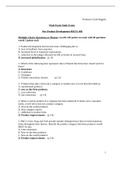
CSP4801
Assignment 4 2024
Unique #:
Due Date: August 2024


Detailed solutions, explanations, workings
and references.

+27 81 278 3372

Maak kennis met de verkoper

Seller avatar
De reputatie van een verkoper is gebaseerd op het aantal documenten dat iemand tegen betaling verkocht heeft en de beoordelingen die voor die items ontvangen zijn. Er zijn drie niveau’s te onderscheiden: brons, zilver en goud. Hoe beter de reputatie, hoe meer de kwaliteit van zijn of haar werk te vertrouwen is.
VarsityC AAA School of Advertising
Volgen Je moet ingelogd zijn om studenten of vakken te kunnen volgen
Verkocht
28686
Lid sinds
8 jaar
Aantal volgers
13258
Documenten
3117
Laatst verkocht
1 dag geleden

4,1

2820 beoordelingen

5
1491
4
581
3
392
2
117
1
239

Recent door jou bekeken

Waarom studenten kiezen voor Stuvia

Gemaakt door medestudenten, geverifieerd door reviews

Kwaliteit die je kunt vertrouwen: geschreven door studenten die slaagden en beoordeeld door anderen die dit document gebruikten.

Niet tevreden? Kies een ander document

Geen zorgen! Je kunt voor hetzelfde geld direct een ander document kiezen dat beter past bij wat je zoekt.

Betaal zoals je wilt, start meteen met leren

Geen abonnement, geen verplichtingen. Betaal zoals je gewend bent via iDeal of creditcard en download je PDF-document meteen.

Student with book image

“Gekocht, gedownload en geslaagd. Zo makkelijk kan het dus zijn.”

Alisha Student

Veelgestelde vragen