‘Much American literature is concerned with the devastating impact of poverty.’
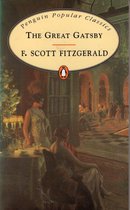
Through Fitzgerald’s 1925 novel The Great Gatsby, and Steinbeck’s 1939 novel The
Grapes of Wrath, the authors explored the impacts of poverty – whilst Steinbeck
focused on poverty’s devastating impact on society and the poor response to it from
the more fortunate, Fitzgerald focused more on the positive impact that poverty
allowed for the upper classes. Writing in 1920s America, Fitzgerald would have been
heavily influenced by the idea of the self-made man and its link to the American
Dream, particularly through the reflection of outer image and social status. On the
other hand, Steinbeck would have been influenced by the effects of the Great
Depression and the Dust Bowl, where the effect that these periods had on the
working classes was drastic. The impact of poverty on society connects greatly to
the almost unachievable nature of the American Dream, with the reality of one’s
social status being unchangeable; the class divide had a distinct impact on the
differing experiences of the American Dream.
Fitzgerald focused heavily on the positive impact that poverty allowed for the upper
classes. The American Dream had a strong focus on freedom, but also relied upon
allowing poverty and separation of the classes. In the novel, Gatsby was able to
achieve this sense of freedom at his parties, which directly contrasted the
government’s intentions of controlling the American people through the banning of
alcohol through prohibition from 1920 to 1933; the open use of alcohol at his parties
show how little the government’s plan worked, as the novel was set only two years
after prohibition was first introduced. Whilst Gatsby and his acquaintances indulge
on alcohol in West Egg, the working classes continue life in the desolate industrial
wasteland of the Valley of Ashes. Throughout the majority of the novel, the areas of
West Egg, East Egg and Valley of Ashes are kept separate; one of the only points
where they cross over is at the point of Myrte’s death, which can be implied to be as
a result not of the death of a human being, but of the effect that it will have on
members of the upper classes. The description of Myrtle’s death as she “mingled her
thick dark blood with the dust”, shows that no matter what, at the end of the day, the
working classes will always be brought back to the bottom – the American Dream is
only achievable to those who are already in a state of privilege.
On the other hand, Steinbeck focused on poverty’s devastating impact on society
and the poor response to it from the more fortunate. The Great Depression and the
dust bowl relied heavily on the separation of different classes, particularly the poor
treatment of agricultural workers. In the novel, those travelling towards California are
highly mistreated, with landowners against them trying to find reason for their arrest.
Whilst the planned riots in the camp are initiated by the association, the desperation
for money and food leads to betrayal as men from the camp are paid to start the riots
within. This is similar to a scene towards the beginning of the novel as a tractor
worker – who previously worked as a farmer alongside the Joads – turns against
them for money; although this job gives him three dollars, it leaves all other
agricultural workers with nothing. The divide that this shows within American society
in the 1930s mirrors the effects of the sudden change from the grand consumerism
Through Fitzgerald’s 1925 novel The Great Gatsby, and Steinbeck’s 1939 novel The
Grapes of Wrath, the authors explored the impacts of poverty – whilst Steinbeck
focused on poverty’s devastating impact on society and the poor response to it from
the more fortunate, Fitzgerald focused more on the positive impact that poverty
allowed for the upper classes. Writing in 1920s America, Fitzgerald would have been
heavily influenced by the idea of the self-made man and its link to the American
Dream, particularly through the reflection of outer image and social status. On the
other hand, Steinbeck would have been influenced by the effects of the Great
Depression and the Dust Bowl, where the effect that these periods had on the
working classes was drastic. The impact of poverty on society connects greatly to
the almost unachievable nature of the American Dream, with the reality of one’s
social status being unchangeable; the class divide had a distinct impact on the
differing experiences of the American Dream.
Fitzgerald focused heavily on the positive impact that poverty allowed for the upper
classes. The American Dream had a strong focus on freedom, but also relied upon
allowing poverty and separation of the classes. In the novel, Gatsby was able to
achieve this sense of freedom at his parties, which directly contrasted the
government’s intentions of controlling the American people through the banning of
alcohol through prohibition from 1920 to 1933; the open use of alcohol at his parties
show how little the government’s plan worked, as the novel was set only two years
after prohibition was first introduced. Whilst Gatsby and his acquaintances indulge
on alcohol in West Egg, the working classes continue life in the desolate industrial
wasteland of the Valley of Ashes. Throughout the majority of the novel, the areas of
West Egg, East Egg and Valley of Ashes are kept separate; one of the only points
where they cross over is at the point of Myrte’s death, which can be implied to be as
a result not of the death of a human being, but of the effect that it will have on
members of the upper classes. The description of Myrtle’s death as she “mingled her
thick dark blood with the dust”, shows that no matter what, at the end of the day, the
working classes will always be brought back to the bottom – the American Dream is
only achievable to those who are already in a state of privilege.
On the other hand, Steinbeck focused on poverty’s devastating impact on society
and the poor response to it from the more fortunate. The Great Depression and the
dust bowl relied heavily on the separation of different classes, particularly the poor
treatment of agricultural workers. In the novel, those travelling towards California are
highly mistreated, with landowners against them trying to find reason for their arrest.
Whilst the planned riots in the camp are initiated by the association, the desperation
for money and food leads to betrayal as men from the camp are paid to start the riots
within. This is similar to a scene towards the beginning of the novel as a tractor
worker – who previously worked as a farmer alongside the Joads – turns against
them for money; although this job gives him three dollars, it leaves all other
agricultural workers with nothing. The divide that this shows within American society
in the 1930s mirrors the effects of the sudden change from the grand consumerism