!
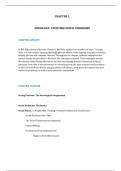
CHAPTER 1
Introduction to Substance Abuse Counseling
Learning Objectives
To provide a historical perspective of the prevalence of drug use and abuse including the
impact on current substance abuse issues, ensuing ramifications, and treatments.
Describe the history, use, impact, and current statistical trends of commonly used drugs such
as alcohol, marijuana, and tobacco.
Identify patterns and societal costs of substance use and abuse.
Present an organized and logical progression of substance abuse and counseling information
and definitions.
Emphasize the importance of comprehensive training in substance abuse intervention and
prevention, which will help address issues such as “process addiction.”
What are salient issues for substance abuse counselors to consider?
Why is a continuum model important for substance abuse assessment and interventions?
What are the multiple factors affecting the choice of treatment setting and results?
Key Terms and Definitions
Biopsychosocial model: Holistic model incorporating all aspects of the individual’s life and the
interactive factors of physical, emotional, familial, and societal influences on a person’s growth
and development.
Continuum of behavior: View in assessment and diagnosis in recognizing a range in usage
patterns to provide more effective and individualized treatment, contrasted to a generalized
treatment plan.
, Disease concept: View of addiction as a progressive, terminal disease over which the individual
has no control as long as the use is continued.
Drug of choice: The specific drug a person would use if given the choice among options used
through the years, which is important as the number of polydrug users increases.
Drug misuse: Using a substance in a manner that causes detrimental effects in some area of the
person’s life.
Drug use: Intake of a chemical substance, but does not distinguish whether the drug is used
therapeutically, legally, or illegally.
Drug user or substance abuser: Person who intentionally takes legal or illegal drugs to alter his or
her functioning or state of consciousness.
Enkephalins and endorphins: Neurotransmitters in the brain which are naturally produced pain-
killing chemical which have a strong molecular resemblance to alcohol and opiates.
Social learning systems model: View of substance abuse as a learned coping behavior that is
regulated and maintained by interacting systems, including the family and society.
Substance or chemical: Terms refer to use of alcohol, nicotine, caffeine, prescription drugs, and
illegal drugs.
Substance abuse: Continued use of a psychoactive drug despite the occurrence of major
detrimental effects associated with its use, such as, social, vocational, health, scholastic, or
economic difficulties.
Tolerance: A higher dosage of is needed to produce the same level of effect over time.
Withdrawal: A specific set of symptoms that occur when use of the drug is discontinued or
withdrawn from the central nervous system.
,Activities
1. Drugs are often in the news - drug abuse, drug dealing and more. As a class, over a period of
several days, search the newspaper for stories that involve drugs.
Separate the stories you find into categories under the headings, "Local", "National", and
"International".
Which type of story is most common in your newspaper?
Why do you think that is the case?
2. Look on the internet for recent statistics on local trends in substance use or abuse for your
community.
How do these patterns compare to the national statistics presented in this chapter?
3. Interview someone about the effect that alcohol and/or drugs have had on his or her family.
What are the “costs” (i.e. financial, physical, and psychological) that he or she perceives
alcohol and/or drugs have had on his or her family?
4. Think of a client who might be moving along the continuum from use to abuse.
How might you explain this progression to that individual?
5. Compare 2 to 3 substance abuse journals (that are both refereed and non-refereed).
Discuss the topics, trends, and population samples.
What differentiates the journals from each other?
Rate the helpfulness of the articles (Would you use these particular types of journals?).
What differences, if any, are there between refereed vs. non-refereed journals?
6. Group discussion: There has been a longstanding debate about the pros and cons of
legalizing marijuana. Defend your stance on this topic.
, 7. Group discussion: Identify historical/cultural influences on the ways in which substances
have traditionally been used in your community or within your family, e.g. in celebrating
religious or national holidays.
Would modifying or removing substance use strongly affect community or family
traditions?
Essay Questions/ Discussion Starters
1. Discuss the relationship between social structures, culture, and the use of substances
throughout history.
Answers
use as medicinal substance
use in religious rituals
use in celebratory situations
use instead of water
2. Explain the differences between substance use, misuse, abuse and dependence.
Answer
Use DSM diagnosis to provide differences in categories
3. Either from your own experiences, from observing others, or from readings, analyze the factors
influencing the use of different drugs—tobacco, alcohol, marijuana, cocaine, etc.
Answer
Include social, cultural, familial, genetic and legal aspects of use. Include psychological
mindset of individual.
4. Critique or defend the concept of “we live and always will live in a society of drug use and abuse.”
Discuss factors related to this statement and costs involved.
Answer
Include aspects of historical overview of the use of drugs throughout history.
CHAPTER 1
Introduction to Substance Abuse Counseling
Learning Objectives
To provide a historical perspective of the prevalence of drug use and abuse including the
impact on current substance abuse issues, ensuing ramifications, and treatments.
Describe the history, use, impact, and current statistical trends of commonly used drugs such
as alcohol, marijuana, and tobacco.
Identify patterns and societal costs of substance use and abuse.
Present an organized and logical progression of substance abuse and counseling information
and definitions.
Emphasize the importance of comprehensive training in substance abuse intervention and
prevention, which will help address issues such as “process addiction.”
What are salient issues for substance abuse counselors to consider?
Why is a continuum model important for substance abuse assessment and interventions?
What are the multiple factors affecting the choice of treatment setting and results?
Key Terms and Definitions
Biopsychosocial model: Holistic model incorporating all aspects of the individual’s life and the
interactive factors of physical, emotional, familial, and societal influences on a person’s growth
and development.
Continuum of behavior: View in assessment and diagnosis in recognizing a range in usage
patterns to provide more effective and individualized treatment, contrasted to a generalized
treatment plan.
, Disease concept: View of addiction as a progressive, terminal disease over which the individual
has no control as long as the use is continued.
Drug of choice: The specific drug a person would use if given the choice among options used
through the years, which is important as the number of polydrug users increases.
Drug misuse: Using a substance in a manner that causes detrimental effects in some area of the
person’s life.
Drug use: Intake of a chemical substance, but does not distinguish whether the drug is used
therapeutically, legally, or illegally.
Drug user or substance abuser: Person who intentionally takes legal or illegal drugs to alter his or
her functioning or state of consciousness.
Enkephalins and endorphins: Neurotransmitters in the brain which are naturally produced pain-
killing chemical which have a strong molecular resemblance to alcohol and opiates.
Social learning systems model: View of substance abuse as a learned coping behavior that is
regulated and maintained by interacting systems, including the family and society.
Substance or chemical: Terms refer to use of alcohol, nicotine, caffeine, prescription drugs, and
illegal drugs.
Substance abuse: Continued use of a psychoactive drug despite the occurrence of major
detrimental effects associated with its use, such as, social, vocational, health, scholastic, or
economic difficulties.
Tolerance: A higher dosage of is needed to produce the same level of effect over time.
Withdrawal: A specific set of symptoms that occur when use of the drug is discontinued or
withdrawn from the central nervous system.
,Activities
1. Drugs are often in the news - drug abuse, drug dealing and more. As a class, over a period of
several days, search the newspaper for stories that involve drugs.
Separate the stories you find into categories under the headings, "Local", "National", and
"International".
Which type of story is most common in your newspaper?
Why do you think that is the case?
2. Look on the internet for recent statistics on local trends in substance use or abuse for your
community.
How do these patterns compare to the national statistics presented in this chapter?
3. Interview someone about the effect that alcohol and/or drugs have had on his or her family.
What are the “costs” (i.e. financial, physical, and psychological) that he or she perceives
alcohol and/or drugs have had on his or her family?
4. Think of a client who might be moving along the continuum from use to abuse.
How might you explain this progression to that individual?
5. Compare 2 to 3 substance abuse journals (that are both refereed and non-refereed).
Discuss the topics, trends, and population samples.
What differentiates the journals from each other?
Rate the helpfulness of the articles (Would you use these particular types of journals?).
What differences, if any, are there between refereed vs. non-refereed journals?
6. Group discussion: There has been a longstanding debate about the pros and cons of
legalizing marijuana. Defend your stance on this topic.
, 7. Group discussion: Identify historical/cultural influences on the ways in which substances
have traditionally been used in your community or within your family, e.g. in celebrating
religious or national holidays.
Would modifying or removing substance use strongly affect community or family
traditions?
Essay Questions/ Discussion Starters
1. Discuss the relationship between social structures, culture, and the use of substances
throughout history.
Answers
use as medicinal substance
use in religious rituals
use in celebratory situations
use instead of water
2. Explain the differences between substance use, misuse, abuse and dependence.
Answer
Use DSM diagnosis to provide differences in categories
3. Either from your own experiences, from observing others, or from readings, analyze the factors
influencing the use of different drugs—tobacco, alcohol, marijuana, cocaine, etc.
Answer
Include social, cultural, familial, genetic and legal aspects of use. Include psychological
mindset of individual.
4. Critique or defend the concept of “we live and always will live in a society of drug use and abuse.”
Discuss factors related to this statement and costs involved.
Answer
Include aspects of historical overview of the use of drugs throughout history.