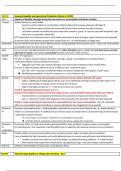
W3 MT Seasonal Liquidity and Agricultural Production Fink et al. (2020)
Aim Impacts of liquidity shortage during the lean season on consumption and labour markets
Context Setting: farmers in rural Zambia
- Access to credit markets in rural Zambia is limited: Informal borrowing channels with high IR
- Fig 3: Total labor inputs on-farm are lowest after harvest then increase to peak in January
- Local labor markets are defined by piece-wise labor contracts: ganyu used to cope with temporary cash
needs but are generally undesirable
RCT Experiment: two treatment arms: cash & maize loans given at start of hungry season (January) and repayable
at harvest (July) and treatment groups were rotated btwn yrs randomisation at village level
Motivation Rural economies have lean seasons before harvest: savings depleted from previous years = raises cost of smoothing
consumption from one harvest to the next
Data HH survey data and administrative loan data by IPA: labor allocation (ganyu sold/hired) and daily ganyu earnings,
agricultural output (crop output),consumption (meals consumed + food security)
Identifi RCT - ITT regression:
cation For year 1: regress outcome (labour allocation, earnings, output, consumption) on treatment (loan vt)
month fixed effects and household-level controls
High take-up in both years meant estimates very close to the treatment on the treated effect
For year 2: allow treatment effects in year 2 to differ by year 1 treatment status
- (β1 + β2 + β3) = total year 2 treatment effects on farmers selected for the program in both years.
Identifying assumption: treatment assignment is uncorrelated to error
Results Result 1: lowering borrowing rates through seasonal loans increase labour demand and wages
o Table 3 : likelihood of selling ganyu falls by 5 pp. Col 3: likelihood of hiring increases by 50% where col 5:
hours of family labor invested on farm increase by 4.95 hours
o Table 4: Earnings increase by 17 - 19 percent increase over control
Result 2: Agricultural Output Increases (table 5)
Result 3:Consumption Increases toward the hungry season and consumption Seasonality Decreases (Tab 6)
- improvements in consumption and food security outcomes in response to lower interest rates.
- year 1: number of months with adequate food increased by 5% and index of food security improved
Result 4: Larger proportional improvement in consumption for low resource households - Fig 6 treatment
effect on consumption largest at bottom of resource distribution but insignificant in top quartile
Mechanis Seasonal consumption loans = relaxing liquidity constraints bc access to lower interest rate reduces farmers’
m reliance on piecework labor additional hours of labor inputs on family farm bc increased hiring of external labor
= agricultural output increases
Consumption increased bc reduction in consumption seasonality
Mental health & motivation improved family labour supply after treatment
Mechanis No income effect small cash transfer experiment didn't show sig effects on labor, output, consumption,
m No reporting bias no systematic reporting differences in objective and reported measures across treatment
verification
Policy Positive effects of seasonal consumption loans (output increases, higher earnings and consumption)
Can be hindered by high transaction costs with delivering loans in remote areas with poor road infrastructure
combine seasonal loans with low cost technologies, eg digital borrowing platforms mobile money
interventions that require less infrastructure, eg targeting savings = increases hungry season liquidity
External setting is representative of many parts of sub-Saharan Africa
W3 MT Nominal Wage Rigidity in Village Labor Markets – Kaur
, Aim To test for downward nominal wage rigidity and whether it affects employment in developing nation
Context Setting: transitory shocks (local rainfall variation) to labor demand across Indian districts
- Agriculture is heavily rainfall-dependent + seasonality
- Few formal institutional constraints in these markets
Ratcheting: positive shock is followed by non-positive shock, nominal wages dont adjust back down - theyre higher
Motivation Rigidities prevent wages from adjusting fully to shocks consequences for employment, earnings, and output
- downward wage rigidity: if wages do not fall during negative shocks increase layoffs—deepening the
impact of recessions and business cycle volatility which slow recession recovery
- labor rationing generated by rigidities - “disguised unemployment” or “forced entrepreneurship”, creating
a misallocation of labor across firms
Data - HH wage and employment data: Indian NSS
- Rainfall Data: World Bank data. Rainfall shocks: deviations in rainfall from the usual levels for a district
- Inflation data: CPI for Agricultural Labourers
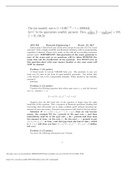
Empirical Isolates rainfall shock to MPL & examines effect on wage adjustment and employment from shocks
strategy Regression: regresses effects of transitory shocks on equilibrium wages in absence of rigidities.
Includes Posdt and Negdt = dummies for a positive and negative shock
Coefficients: α1 and α2 - difference in the wage level under these shocks
Includes other regressions:
regression interacted w/ lagged shocks with year and district fixed effects
regression w inflation: interacting each of the shock categories with inflation
Identification assumptions:
- rainfall shocks are transitory: rainfall affects TFP in current year, not in future
shocks are uncorrelated with other determinants of wages and shocks are serially uncorrelated
identification concerns
shocks may not be transitory (rainfall improves soil and leads to higher output in current and following period),
this would explain ratcheting. But then inflation should not reduce persistent effect.
OVB; rainfall affects labor markets through migration or capital accumulation inconsistent w inflation response
Results Result 1: asymmetric wage adjustment consistent with downward rigidities = nominal wages rise in response to
positive shocks, but don’t fall during negative shocks (Table 1)
- Col ¼: relative to no shock, nominal wages adjust up when there are positive shocks, but cant reject they
arent lower when there is a negative shock
- Col 3/6: non-positive shocks in current year increases coefficients and lagged positive shocks significantly
raise current wages. In contrast, lagged negative shocks have no persistent wage effects
Result 2: after positive shocks have dissipated, nominal wages remain high in future years.
- Col 2: wages are 4.3% higher if there is positive shock this year
- wages are not significantly lower if there is a negative shock this year:
while estimate is negative, it isnt significant
- lagged positive shocks have persistent wage effects (rows 3 and 4). eg,
positive shock last year and no shock this year, wages are 3.7 percent higher than if last year’s positive
shock had not occurred
Result 3: inflation moderates wage distortions: when inflation is higher, real wages fall during droughts and
after transitory positive shocks. Table 3:
- row 3: Col 1/2: When there are contemporaneous droughts, wages are same on
average when inflation is zero. when there is positive inflation, nominal wages are
lower under negative shocks (row 4).
- Row 5/7: after lagged positive shocks, wages are ratchet upwards when inflation is
low. as inflation rises, shocks less likely to have persistent effects on wages (rows 6 and 8)
Aim Impacts of liquidity shortage during the lean season on consumption and labour markets
Context Setting: farmers in rural Zambia
- Access to credit markets in rural Zambia is limited: Informal borrowing channels with high IR
- Fig 3: Total labor inputs on-farm are lowest after harvest then increase to peak in January
- Local labor markets are defined by piece-wise labor contracts: ganyu used to cope with temporary cash
needs but are generally undesirable
RCT Experiment: two treatment arms: cash & maize loans given at start of hungry season (January) and repayable
at harvest (July) and treatment groups were rotated btwn yrs randomisation at village level
Motivation Rural economies have lean seasons before harvest: savings depleted from previous years = raises cost of smoothing
consumption from one harvest to the next
Data HH survey data and administrative loan data by IPA: labor allocation (ganyu sold/hired) and daily ganyu earnings,
agricultural output (crop output),consumption (meals consumed + food security)
Identifi RCT - ITT regression:
cation For year 1: regress outcome (labour allocation, earnings, output, consumption) on treatment (loan vt)
month fixed effects and household-level controls
High take-up in both years meant estimates very close to the treatment on the treated effect
For year 2: allow treatment effects in year 2 to differ by year 1 treatment status
- (β1 + β2 + β3) = total year 2 treatment effects on farmers selected for the program in both years.
Identifying assumption: treatment assignment is uncorrelated to error
Results Result 1: lowering borrowing rates through seasonal loans increase labour demand and wages
o Table 3 : likelihood of selling ganyu falls by 5 pp. Col 3: likelihood of hiring increases by 50% where col 5:
hours of family labor invested on farm increase by 4.95 hours
o Table 4: Earnings increase by 17 - 19 percent increase over control
Result 2: Agricultural Output Increases (table 5)
Result 3:Consumption Increases toward the hungry season and consumption Seasonality Decreases (Tab 6)
- improvements in consumption and food security outcomes in response to lower interest rates.
- year 1: number of months with adequate food increased by 5% and index of food security improved
Result 4: Larger proportional improvement in consumption for low resource households - Fig 6 treatment
effect on consumption largest at bottom of resource distribution but insignificant in top quartile
Mechanis Seasonal consumption loans = relaxing liquidity constraints bc access to lower interest rate reduces farmers’
m reliance on piecework labor additional hours of labor inputs on family farm bc increased hiring of external labor
= agricultural output increases
Consumption increased bc reduction in consumption seasonality
Mental health & motivation improved family labour supply after treatment
Mechanis No income effect small cash transfer experiment didn't show sig effects on labor, output, consumption,
m No reporting bias no systematic reporting differences in objective and reported measures across treatment
verification
Policy Positive effects of seasonal consumption loans (output increases, higher earnings and consumption)
Can be hindered by high transaction costs with delivering loans in remote areas with poor road infrastructure
combine seasonal loans with low cost technologies, eg digital borrowing platforms mobile money
interventions that require less infrastructure, eg targeting savings = increases hungry season liquidity
External setting is representative of many parts of sub-Saharan Africa
W3 MT Nominal Wage Rigidity in Village Labor Markets – Kaur
, Aim To test for downward nominal wage rigidity and whether it affects employment in developing nation
Context Setting: transitory shocks (local rainfall variation) to labor demand across Indian districts
- Agriculture is heavily rainfall-dependent + seasonality
- Few formal institutional constraints in these markets
Ratcheting: positive shock is followed by non-positive shock, nominal wages dont adjust back down - theyre higher
Motivation Rigidities prevent wages from adjusting fully to shocks consequences for employment, earnings, and output
- downward wage rigidity: if wages do not fall during negative shocks increase layoffs—deepening the
impact of recessions and business cycle volatility which slow recession recovery
- labor rationing generated by rigidities - “disguised unemployment” or “forced entrepreneurship”, creating
a misallocation of labor across firms
Data - HH wage and employment data: Indian NSS
- Rainfall Data: World Bank data. Rainfall shocks: deviations in rainfall from the usual levels for a district
- Inflation data: CPI for Agricultural Labourers
Empirical Isolates rainfall shock to MPL & examines effect on wage adjustment and employment from shocks
strategy Regression: regresses effects of transitory shocks on equilibrium wages in absence of rigidities.
Includes Posdt and Negdt = dummies for a positive and negative shock
Coefficients: α1 and α2 - difference in the wage level under these shocks
Includes other regressions:
regression interacted w/ lagged shocks with year and district fixed effects
regression w inflation: interacting each of the shock categories with inflation
Identification assumptions:
- rainfall shocks are transitory: rainfall affects TFP in current year, not in future
shocks are uncorrelated with other determinants of wages and shocks are serially uncorrelated
identification concerns
shocks may not be transitory (rainfall improves soil and leads to higher output in current and following period),
this would explain ratcheting. But then inflation should not reduce persistent effect.
OVB; rainfall affects labor markets through migration or capital accumulation inconsistent w inflation response
Results Result 1: asymmetric wage adjustment consistent with downward rigidities = nominal wages rise in response to
positive shocks, but don’t fall during negative shocks (Table 1)
- Col ¼: relative to no shock, nominal wages adjust up when there are positive shocks, but cant reject they
arent lower when there is a negative shock
- Col 3/6: non-positive shocks in current year increases coefficients and lagged positive shocks significantly
raise current wages. In contrast, lagged negative shocks have no persistent wage effects
Result 2: after positive shocks have dissipated, nominal wages remain high in future years.
- Col 2: wages are 4.3% higher if there is positive shock this year
- wages are not significantly lower if there is a negative shock this year:
while estimate is negative, it isnt significant
- lagged positive shocks have persistent wage effects (rows 3 and 4). eg,
positive shock last year and no shock this year, wages are 3.7 percent higher than if last year’s positive
shock had not occurred
Result 3: inflation moderates wage distortions: when inflation is higher, real wages fall during droughts and
after transitory positive shocks. Table 3:
- row 3: Col 1/2: When there are contemporaneous droughts, wages are same on
average when inflation is zero. when there is positive inflation, nominal wages are
lower under negative shocks (row 4).
- Row 5/7: after lagged positive shocks, wages are ratchet upwards when inflation is
low. as inflation rises, shocks less likely to have persistent effects on wages (rows 6 and 8)