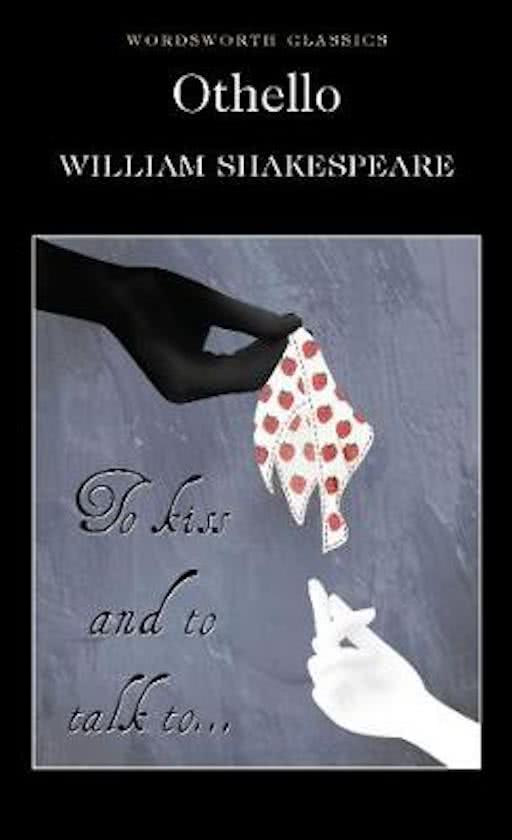
Shakespeare highlights the dehumanisation of women to property of men and how
marriage acts as a convention to exchange women from father to husband. With women
deemed possessions, and therefore a reflection of their husbands, Shakespeare continues to
explore how infidelity tarnishes not just their love for their wives but also the male ego.
At the time of performing Othello, controlling access to women’s bodies was a cultural
obsession due to the need for a patriarchal heir. Furthermore several book including, Robert
Cleaver’s 1603 ‘A Godly Forme of Household Government’, dictated the need for the
patriarchal power structure within the home. Such beliefs mirror themselves within Othello
where Iago shouts ‘thieves, thieves, thieves!’ in the opening scene to Brabantio to
emphasise how Desdemona has been stolen from him like a possession in a robbery. In turn
Othello later references how he ‘won his daughter’, ‘won’ objectifying Desdemona to a prize
to have ownership of. Caryl Philips explores this further within her critical reading of the play
suggesting Othello’s love of Desemona is ‘the love of a possession. She is a prize, a spoil of
war’. As passive possessions, women are portrayed to have limited agency and therefore
when Desdemona’s initially disobeys her father by marrying Othello this action of having
‘deceived her father’, while being his property, acts as a basis for Iago to suggest her
untrustworthiness and later deception of Othello. This links to the original story of Gli
Hectaommithi by Gioanni Battista Giraldi, of which the moral message was for women to not
disobey their parents. Othello now convinced of her infidelity, dictates how: ‘I had been
happy if the general camp, pioneers and all had tasted her sweet body so I had nothing
known’. This line portrays Othello as caring less about the action of Desdemona sleeping
with other men but more about himself being aware of such information and it hurting his
masculine pride. Furthermore, Othello focuses heavily on the physical sexuality of the
action: ‘tasted her sweet body’, rather than the emotional connection between him and
Desdemona. Once disrespected by Desdemona, Othello seeks to murder her, believing this
honour killing will prevent Desdemona to ‘betray more men’, emphasising his need to assert
masculine control. He draws on the Old Testament, dictating: ‘it strikes where it doth love’ to
suggest alike God punishing humanity for personal growth, men should punish, and in this
case kill, their wives for their own good.
The lack of reference to his own grief for Desdemona becomes ultimately evident within his
final lines where Othello depicts himself as ‘like the base Indian’ having thrown ‘a pearl
away’, here Desdemona is objectified to his ‘pearl’ and Othello otherises himself to a ‘base
Indian’.
Karen Newman ‘And Wish the Ethiop White: Femininity and the Monstrous in Othello’
-Argues that Desdemona’s actions and choices challenge femininity and lead her to being
perceived as a monstrous figure
-Desdemona’s agency and autonomy threaten the patriarchal order within the play
-her marriage being interracial and her outspokenness also contribute to her being labelled
as monstrous
As Desdemona is perceived property of Othello, similarly Emilia is property of Iago. One of
Iago’s motives is viewed to be his suspicion that ‘the lusty Moor hath leaped into (his) seat’.
marriage acts as a convention to exchange women from father to husband. With women
deemed possessions, and therefore a reflection of their husbands, Shakespeare continues to
explore how infidelity tarnishes not just their love for their wives but also the male ego.
At the time of performing Othello, controlling access to women’s bodies was a cultural
obsession due to the need for a patriarchal heir. Furthermore several book including, Robert
Cleaver’s 1603 ‘A Godly Forme of Household Government’, dictated the need for the
patriarchal power structure within the home. Such beliefs mirror themselves within Othello
where Iago shouts ‘thieves, thieves, thieves!’ in the opening scene to Brabantio to
emphasise how Desdemona has been stolen from him like a possession in a robbery. In turn
Othello later references how he ‘won his daughter’, ‘won’ objectifying Desdemona to a prize
to have ownership of. Caryl Philips explores this further within her critical reading of the play
suggesting Othello’s love of Desemona is ‘the love of a possession. She is a prize, a spoil of
war’. As passive possessions, women are portrayed to have limited agency and therefore
when Desdemona’s initially disobeys her father by marrying Othello this action of having
‘deceived her father’, while being his property, acts as a basis for Iago to suggest her
untrustworthiness and later deception of Othello. This links to the original story of Gli
Hectaommithi by Gioanni Battista Giraldi, of which the moral message was for women to not
disobey their parents. Othello now convinced of her infidelity, dictates how: ‘I had been
happy if the general camp, pioneers and all had tasted her sweet body so I had nothing
known’. This line portrays Othello as caring less about the action of Desdemona sleeping
with other men but more about himself being aware of such information and it hurting his
masculine pride. Furthermore, Othello focuses heavily on the physical sexuality of the
action: ‘tasted her sweet body’, rather than the emotional connection between him and
Desdemona. Once disrespected by Desdemona, Othello seeks to murder her, believing this
honour killing will prevent Desdemona to ‘betray more men’, emphasising his need to assert
masculine control. He draws on the Old Testament, dictating: ‘it strikes where it doth love’ to
suggest alike God punishing humanity for personal growth, men should punish, and in this
case kill, their wives for their own good.
The lack of reference to his own grief for Desdemona becomes ultimately evident within his
final lines where Othello depicts himself as ‘like the base Indian’ having thrown ‘a pearl
away’, here Desdemona is objectified to his ‘pearl’ and Othello otherises himself to a ‘base
Indian’.
Karen Newman ‘And Wish the Ethiop White: Femininity and the Monstrous in Othello’
-Argues that Desdemona’s actions and choices challenge femininity and lead her to being
perceived as a monstrous figure
-Desdemona’s agency and autonomy threaten the patriarchal order within the play
-her marriage being interracial and her outspokenness also contribute to her being labelled
as monstrous
As Desdemona is perceived property of Othello, similarly Emilia is property of Iago. One of
Iago’s motives is viewed to be his suspicion that ‘the lusty Moor hath leaped into (his) seat’.