Medieval - Medicine Through Time GCSE Questions and Answers Verified solutions
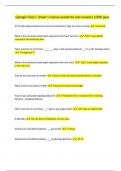
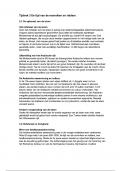
Medieval - Medicine Through Time GCSE Questions and Answers Verified solutions Why was the period of AD 500 - AD 1000 called the Dark Ages? - ANS- It was a period of regression in medicine where knowledge was lost and it became dangerous to travel meaning that communication all but ceased. There were fewer opportunities for doctors to learn or train. How did the church affect progress? - ANS- The church controlled how people behaved and each new idea was checked to make sure it did not challenge the Bible (Galen's work survived for this reason). Monasteries also controlled education and libraries. The church taught that there were supernatural explanations for everything. Why did Galen's work survive the dark ages? - ANS- The Church supported it as his ideas about design fitted with the Christian teachings about God. How were doctors trained? - ANS- They were trained at universities and attended lectures on the work of Galen, observing a maximum of one dissection a year. But they had no practical training and were only taught to base treatments on observation and astrology. How were surgeons trained? - ANS- Surgery wasn't usually taught at university, you had to become apprenticed to a surgeon. There were guilds of surgeons that controlled entrance to the profession. They used basic anaesthetics and new instruments and methods were being developed daily. Who was John of Ardeme? - ANS- He was a famous surgeon who's methods were based on study of anatomy and practice. What treatments did medieval doctors use? - ANS- Herbal remedies - Honey and sugar (for soothing properties). Minor Surgery - Bleeding (monks were bled 7-12 times a year) and Trepanning. Why did doctors let blood? - ANS- Doctors were taught that it was important to balance the Four Humours. They believed it cleared the mind and cured 'pains, fevers and various sicknesses'. Why did only 10% of hospitals care for the sick? - ANS- 47% housed the poor and elderly. 31% housed lepers but gave them no care. 12% gave shelter to poor travelers and pilgrims. Hospitals in other countries were far more developed, having been built decades and centuries earlier. In what ways were Arab doctors better than European doctors? - ANS- Their hospitals had different wards for different diseases. Students got practical experience with doctors. They learnt from Indian, Persian and European doctors. They believed firmly in observation and sharing and recording ideas (from Rhazes). What was a common held belief about the cause of the Plague? - ANS- It was a punishment from God. How did they treat the bodies of plague victims? - ANS- They treated everyone the same and buried them in pits. They realized that the dead bodies could spread the plague. How did they treat the plague? - ANS- With the Theory of Opposites (based on the Theory of the Four Humours).

Geschreven voor
- Instelling
- Medieval - Medicine Through Time GCSE
- Vak
- Medieval - Medicine Through Time GCSE
Documentinformatie
- Geüpload op
- 24 mei 2024
- Aantal pagina's
- 2
- Geschreven in
- 2023/2024
- Type
- Tentamen (uitwerkingen)
- Bevat
- Vragen en antwoorden
Onderwerpen
-
medieval medicine through time gcse questions an

Ook beschikbaar in voordeelbundel