Bipolar
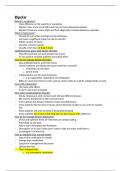
Bipolar 1 vs Bipolar 2
- Main difference is the severity of symptoms
- Bipolar I have more sevre highs and may not have depressive episdes
- Bipolar II have less severe highs and their diagnostics include depressive episodes
What is hypomania?
- Periods of over-active and high energy behaviour
- Can have a significant impact on day-to-day life
- Milder version of mania
- Lasts for a shorter period
- Usually a few days (at least 4 days)
antidepressants given with bipolar disorder
- They lift mood but can push people into mania
- So we avoid or consider patients stop taking these
How do we manage bipolar disorder?
- Stop antidepressants: push into mania
- Check if patients are taking anti-mania medicines correctly
o Potentially up the dose
o Check levels
- Antipsychotics are the main treatment
o E.g. haloperidol, risperidone and olanzapine
- BZDs are used short term to calm a person down while we wait for antipsychotic to work
Issue with haloperidol
- Has many side effects
- So isn’t used much in bipolar
Aims when treating bipolar disorder
- Mania, depression amd normal mood all have different focuses
- We want to bring them to their normal mood
- And maintain this balance between mania and depression
- Some patients like the start of mania where they feel creative so we need to monitor
this
- Some patients will want to prevent being disorientated
- Some patients don’t want meds long term so have issues with adherence
How do we manage bipolar depression?
- Check and optimise levels of meds they are already taking
- Potentially up the dose
- Add or start olanzapine and fluoxetine
- Olanzapine on its own if they don’t want to take too many medications
- Lamotrigine if all else fails
How to maintain their normal mood?
- Stay on the medication if suitable
- Change their medication
- Long-term management discussion
- Lithium first line
- Then antipsychotics
o e.g. olanzapine, quetiapine
Bipolar 1 vs Bipolar 2
- Main difference is the severity of symptoms
- Bipolar I have more sevre highs and may not have depressive episdes
- Bipolar II have less severe highs and their diagnostics include depressive episodes
What is hypomania?
- Periods of over-active and high energy behaviour
- Can have a significant impact on day-to-day life
- Milder version of mania
- Lasts for a shorter period
- Usually a few days (at least 4 days)
antidepressants given with bipolar disorder
- They lift mood but can push people into mania
- So we avoid or consider patients stop taking these
How do we manage bipolar disorder?
- Stop antidepressants: push into mania
- Check if patients are taking anti-mania medicines correctly
o Potentially up the dose
o Check levels
- Antipsychotics are the main treatment
o E.g. haloperidol, risperidone and olanzapine
- BZDs are used short term to calm a person down while we wait for antipsychotic to work
Issue with haloperidol
- Has many side effects
- So isn’t used much in bipolar
Aims when treating bipolar disorder
- Mania, depression amd normal mood all have different focuses
- We want to bring them to their normal mood
- And maintain this balance between mania and depression
- Some patients like the start of mania where they feel creative so we need to monitor
this
- Some patients will want to prevent being disorientated
- Some patients don’t want meds long term so have issues with adherence
How do we manage bipolar depression?
- Check and optimise levels of meds they are already taking
- Potentially up the dose
- Add or start olanzapine and fluoxetine
- Olanzapine on its own if they don’t want to take too many medications
- Lamotrigine if all else fails
How to maintain their normal mood?
- Stay on the medication if suitable
- Change their medication
- Long-term management discussion
- Lithium first line
- Then antipsychotics
o e.g. olanzapine, quetiapine