PROBLEM 3 – AUTONOMY AND WILLPOWER
Part 1:
1. Which factors influncu somuonu’s motivation
2. What is thu sulf-duturmination thuory
3. What typus of intrinsic and uxtrinsic motivation aru thuru
4. What is thu rolu of altonomy and uxpuriuncu of choicu on purformancu
Part 2:
1. How can yol rustoru ugo duplution (duplution of sulf-rugllation)
2. Why dous it happun
3. Is sulf-rugllation a limitud rusolrcu what is thu uviduncu in favolr or
against
DECI & RYAN (2008): FACILITATING OPTIMAL MOTIVATION
AND PSYCHOLOGICAL WELL-BEING ACROS LIFE’S DOMAINS.
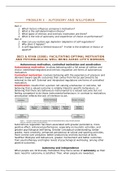
Autonomous motivation, controlled motivation and amotivation
Autonomous motivation: involves behaving with a full sense of volition and
choice. Identified/integrated and intrinsic regulation are forms of autonomous
motivation.
Controlled motivation: involves behaving with the experience of pressure and
demand toward specific outcomes that comes from forces perceived to be
external to the self. External and introjected regulations are forms of controlled
motivation.
Amotivation: results from a person not valuing a behaviour or outcome, not
believing that a valued outcome is reliably linked to specific behaviours, or
believing that there are behaviours instrumental to a valued outcome but not
feeling competent to do those instrumental behaviours. In contrast to motivation,
amotivation refects the lack of intention to act.
Autonomous regulation has been associated with greater persistence, more
positive afect, enhanced performance, especially on heuristic activities, and
greater psychological well-being. Greater conceptual understanding, better
grades, more creativity, enhanced persistence at school and sporting activities,
more control over prejudice, better productivity and less burnout at work,
healthier lifestyles and behaviours, greater involvement and better outcomes
from psychotherapy and higher levels of psychological well-being, among other
positive outcomes.
Autonomy and independence
When people are intrinsically motivated, they feel a sense of autonomy as their
basic need for autonomy is satisfied. Then, when people are rewarded,
, threatened, surveilled, or evaluated, they tend to feel pressured and controlled,
and that diminishes satisfaction of their autonomy need, whereas when they are
ofered choice, they tend to experience greater autonomy satisfaction.
Autonomy: to act volitionally, with a sense of choice. Independence: function
alone and not rely on others. People can act independent, for example, because
they think they should to be viewed as competent or mature or because they
don’t like being in relationships in which they depend on others. Acting
independently in either of these cases would not at all constitute autonomy or
volition; indeed, the independent behaviours would be controlled. In the first
case, the individuals would feel pressured to be independent, and in the second
they would be rejecting involvement with others, perhaps because they have
been hurt and are not able to confront the pain. Conversely, people can depend
or rely on others because they find the engagement and reliance comforting and
satisfying, as they enjoy a sense of relational mutuality. In short, the point is that
people can be either autonomous or controlled in their relative independence,
and they can be either autonomous or controlled in their relative dependence.
Extrinsic motivation
Extrinsic motivation: engaging in an activity because it leads to some separate
consequence.
Introjection: least efective type of internalization. People take in an external
contingency, demand or regulation but not accepting it as their own. It’s a partial
internalization. They take in a control without feeling a sense of ownership of it
and then allow it to pressure and control them.
Identifcation: accepting the importance of the behaviour for themselves and
thus accepting it as their own. They engage in the behaviour with a greater sense
of autonomy and thus do not feel pressured or controlled to do the behaviour.
Integration: when people have succeeded at integrating an identification with
other aspects of their true or integrated self. They reciprocally assimilate a new
identification with their sense of who they are. Integration represents the fullest
type of internalization and is the means through which extrinsically motivated
behaviours become truly autonomous or self-determined.
Examples of autonomy support
Autonomy support involves one individual (often an authority figure) relating to
target individuals by taking their perspective, encouraging initiation, supporting a
sense of choice, and being responsive to their thoughts, questions, and
initiatives. When people’s autonomy is supported, they often feel free to follow
their interests and consider the relevance and importance for themselves of
social values, mores, and norms.
Autonomy support in schools: teachers can be autonomy-supportive or
controlling. Autonomy-supportive: stimulating students to learn from successes
and failures. More intrinsic motivated students. More competence and self-
esteem. Controlling: stimulating them to do it your way.
Autonomy support in homes: autonomy-supportive parents: children are
doing better in school, less drugs- and alcohol use and less watching of tv.
Autonomy support in the workplace: autonomy-supportive supervisor:
employees more satisfied, feeling less pressured, more confidence in the
management. Better performance, persistence, creativity.
Autonomy support in the clinic: more AS: people more motivated, more losing
weight, participating in group meetings, staying healthy. Also good results for
depression and dentistry.
Part 1:
1. Which factors influncu somuonu’s motivation
2. What is thu sulf-duturmination thuory
3. What typus of intrinsic and uxtrinsic motivation aru thuru
4. What is thu rolu of altonomy and uxpuriuncu of choicu on purformancu
Part 2:
1. How can yol rustoru ugo duplution (duplution of sulf-rugllation)
2. Why dous it happun
3. Is sulf-rugllation a limitud rusolrcu what is thu uviduncu in favolr or
against
DECI & RYAN (2008): FACILITATING OPTIMAL MOTIVATION
AND PSYCHOLOGICAL WELL-BEING ACROS LIFE’S DOMAINS.
Autonomous motivation, controlled motivation and amotivation
Autonomous motivation: involves behaving with a full sense of volition and
choice. Identified/integrated and intrinsic regulation are forms of autonomous
motivation.
Controlled motivation: involves behaving with the experience of pressure and
demand toward specific outcomes that comes from forces perceived to be
external to the self. External and introjected regulations are forms of controlled
motivation.
Amotivation: results from a person not valuing a behaviour or outcome, not
believing that a valued outcome is reliably linked to specific behaviours, or
believing that there are behaviours instrumental to a valued outcome but not
feeling competent to do those instrumental behaviours. In contrast to motivation,
amotivation refects the lack of intention to act.
Autonomous regulation has been associated with greater persistence, more
positive afect, enhanced performance, especially on heuristic activities, and
greater psychological well-being. Greater conceptual understanding, better
grades, more creativity, enhanced persistence at school and sporting activities,
more control over prejudice, better productivity and less burnout at work,
healthier lifestyles and behaviours, greater involvement and better outcomes
from psychotherapy and higher levels of psychological well-being, among other
positive outcomes.
Autonomy and independence
When people are intrinsically motivated, they feel a sense of autonomy as their
basic need for autonomy is satisfied. Then, when people are rewarded,
, threatened, surveilled, or evaluated, they tend to feel pressured and controlled,
and that diminishes satisfaction of their autonomy need, whereas when they are
ofered choice, they tend to experience greater autonomy satisfaction.
Autonomy: to act volitionally, with a sense of choice. Independence: function
alone and not rely on others. People can act independent, for example, because
they think they should to be viewed as competent or mature or because they
don’t like being in relationships in which they depend on others. Acting
independently in either of these cases would not at all constitute autonomy or
volition; indeed, the independent behaviours would be controlled. In the first
case, the individuals would feel pressured to be independent, and in the second
they would be rejecting involvement with others, perhaps because they have
been hurt and are not able to confront the pain. Conversely, people can depend
or rely on others because they find the engagement and reliance comforting and
satisfying, as they enjoy a sense of relational mutuality. In short, the point is that
people can be either autonomous or controlled in their relative independence,
and they can be either autonomous or controlled in their relative dependence.
Extrinsic motivation
Extrinsic motivation: engaging in an activity because it leads to some separate
consequence.
Introjection: least efective type of internalization. People take in an external
contingency, demand or regulation but not accepting it as their own. It’s a partial
internalization. They take in a control without feeling a sense of ownership of it
and then allow it to pressure and control them.
Identifcation: accepting the importance of the behaviour for themselves and
thus accepting it as their own. They engage in the behaviour with a greater sense
of autonomy and thus do not feel pressured or controlled to do the behaviour.
Integration: when people have succeeded at integrating an identification with
other aspects of their true or integrated self. They reciprocally assimilate a new
identification with their sense of who they are. Integration represents the fullest
type of internalization and is the means through which extrinsically motivated
behaviours become truly autonomous or self-determined.
Examples of autonomy support
Autonomy support involves one individual (often an authority figure) relating to
target individuals by taking their perspective, encouraging initiation, supporting a
sense of choice, and being responsive to their thoughts, questions, and
initiatives. When people’s autonomy is supported, they often feel free to follow
their interests and consider the relevance and importance for themselves of
social values, mores, and norms.
Autonomy support in schools: teachers can be autonomy-supportive or
controlling. Autonomy-supportive: stimulating students to learn from successes
and failures. More intrinsic motivated students. More competence and self-
esteem. Controlling: stimulating them to do it your way.
Autonomy support in homes: autonomy-supportive parents: children are
doing better in school, less drugs- and alcohol use and less watching of tv.
Autonomy support in the workplace: autonomy-supportive supervisor:
employees more satisfied, feeling less pressured, more confidence in the
management. Better performance, persistence, creativity.
Autonomy support in the clinic: more AS: people more motivated, more losing
weight, participating in group meetings, staying healthy. Also good results for
depression and dentistry.