Introduction
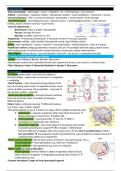
-Neuropsychology = philosophy + psych + linguistics + AI + anthropology + neuroscience
-Patient = technology + cognitive models + therapeutic relation + trust/confidence + teamwork + science
-Current behaviour = SES + current functioning + personality + social context + brain damage
-Test Performance = psychological factors + genetic factors + methodological factors + other factors
(setting, mood, random variance) + past history
-Level of experiments =
- Behavioural: short, tunable, reproducible
- Pop-up: average all round
- Big data: scalable, universal, in vivo
-Hypothesis: theoretical framework literature review research question
-Experiments: reliable, valid, feasible, theoretically sound, data friendly, ethical
-Ethics: rules/regulations + values + research + moral principles + ethical practices + rules of conduct
-Healthcare system: bridge gap between research and care paradigm shift that aligns patient needs
with research goals cycles back to clinical decisions (continuous quality improvement)
-NeuroRights: mental privacy + personal identity + free will + fair access + protection from bias
(1) Article: Art of Reading Journal Articles
-IMRAD: Intro, Method, Results, Analysis, Discussion
-Randomized control trial, controlled clinical trial, experiment survey, case control, or cohort study
-TitleAbstractIntro Materials/Methods Results Discussion
Perception
-(1) Vision: guide action + perceive face/objects +
perceive danger + appreciate environment + recognition
+ navigating
-Visual System = main visual processing pathway from
eyes crossing optic chasm opposite primary visual
cortex Both eyes have L/R visual fields – only part of
the nervous system = exposed
-Visual perceptual deficits = damage between pathway
from eye to visual cortex location of damage =
different defects
Vision: higher cortical processing different features
(e.g. Form, color, motion, depth)
-Perceptual deficits co-occur if lesions are large, affect multiple functional areas
1. Akinetopsia = separate snapshots rather than fluid movement
Bilateral damage in V5/MT area Patient MP
2. Achromatopsia = processing color area V4 affect 1
hemisphere or both (half color, half b/w)
3. Visual Form Agnosia = perceiving shapes Associated with carbon
monoxide poisoning (no oxygen) Effron Shapes = differentiate
between different rectangles with same surface area Area LOC in occipital lobes is NB for
face perception Visual agnosia needs to be bilateral to cause problems in shapes because if
unilateral then patient can compensate
-Visual system pathways: 40% of brain area is involved in visual processing –beyond occipital lobes
- Ventral pathway = visual perception (e.g. what am I looking at?)
- Dorsal pathway = visual guidance (e.g. how am I doing it)
-Higher-order perceptual disorders:
- Visual Agnosia: selective deficit in object recognition (objects/faces) sensory processing
intact (touch & recognize) language processing intact (name it) object knowledge intact
(understand its use)
-Lissauer developed 2 types of visual perceptual agnosia
-Neuropsychology = philosophy + psych + linguistics + AI + anthropology + neuroscience
-Patient = technology + cognitive models + therapeutic relation + trust/confidence + teamwork + science
-Current behaviour = SES + current functioning + personality + social context + brain damage
-Test Performance = psychological factors + genetic factors + methodological factors + other factors
(setting, mood, random variance) + past history
-Level of experiments =
- Behavioural: short, tunable, reproducible
- Pop-up: average all round
- Big data: scalable, universal, in vivo
-Hypothesis: theoretical framework literature review research question
-Experiments: reliable, valid, feasible, theoretically sound, data friendly, ethical
-Ethics: rules/regulations + values + research + moral principles + ethical practices + rules of conduct
-Healthcare system: bridge gap between research and care paradigm shift that aligns patient needs
with research goals cycles back to clinical decisions (continuous quality improvement)
-NeuroRights: mental privacy + personal identity + free will + fair access + protection from bias
(1) Article: Art of Reading Journal Articles
-IMRAD: Intro, Method, Results, Analysis, Discussion
-Randomized control trial, controlled clinical trial, experiment survey, case control, or cohort study
-TitleAbstractIntro Materials/Methods Results Discussion
Perception
-(1) Vision: guide action + perceive face/objects +
perceive danger + appreciate environment + recognition
+ navigating
-Visual System = main visual processing pathway from
eyes crossing optic chasm opposite primary visual
cortex Both eyes have L/R visual fields – only part of
the nervous system = exposed
-Visual perceptual deficits = damage between pathway
from eye to visual cortex location of damage =
different defects
Vision: higher cortical processing different features
(e.g. Form, color, motion, depth)
-Perceptual deficits co-occur if lesions are large, affect multiple functional areas
1. Akinetopsia = separate snapshots rather than fluid movement
Bilateral damage in V5/MT area Patient MP
2. Achromatopsia = processing color area V4 affect 1
hemisphere or both (half color, half b/w)
3. Visual Form Agnosia = perceiving shapes Associated with carbon
monoxide poisoning (no oxygen) Effron Shapes = differentiate
between different rectangles with same surface area Area LOC in occipital lobes is NB for
face perception Visual agnosia needs to be bilateral to cause problems in shapes because if
unilateral then patient can compensate
-Visual system pathways: 40% of brain area is involved in visual processing –beyond occipital lobes
- Ventral pathway = visual perception (e.g. what am I looking at?)
- Dorsal pathway = visual guidance (e.g. how am I doing it)
-Higher-order perceptual disorders:
- Visual Agnosia: selective deficit in object recognition (objects/faces) sensory processing
intact (touch & recognize) language processing intact (name it) object knowledge intact
(understand its use)
-Lissauer developed 2 types of visual perceptual agnosia