Communication Science
Everything summary
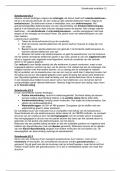
Table of contents
Intro to COM.................................................................................................................................................. 3
Chapter 1..............................................................................................................................................................3
Contexts of Communication............................................................................................................................3
What is a theory, concept, model?..................................................................................................................4
Chapter 2..............................................................................................................................................................6
Theory – research link......................................................................................................................................6
Inductive vs. deductive theory.........................................................................................................................6
Primary vs. secondary research.......................................................................................................................6
Research methods in COM..............................................................................................................................7
Intrapersonal Communication...................................................................................................................... 11
Intentionality, inferences, and attributions........................................................................................................11
Fundamental attribution error......................................................................................................................11
Kelley’s covariation model.............................................................................................................................12
Correspondent inference theory (Jones & Davis, 1965)................................................................................14
Message Design Logics (O’Keefe, 1988, 1997)...................................................................................................14
Uncertainty Reduction Theory (Berger and Calabrese’s, 1975).........................................................................16
Expectancy Violation Theory..............................................................................................................................19
Cognitive Dissonance Theory.............................................................................................................................21
Extended Parallel Processing Theory..................................................................................................................23
Digital Society.............................................................................................................................................. 24
Ch. 10 Mass Communication – What media do to people.................................................................................24
Agenda-Setting Theory..................................................................................................................................24
Cultivation Theory..........................................................................................................................................25
Social-Cognitive Theory.................................................................................................................................27
Encoding/Decoding Theory...........................................................................................................................28
Ch. 11 Mediated Communication – What people do with media......................................................................29
Channel Expansion + Media Richness theory................................................................................................29
Social Information Processing Model............................................................................................................31
Uses and Gratifications + Media Affordances................................................................................................31
Spiral of Silence..............................................................................................................................................32
Persuasive Tech............................................................................................................................................ 34
Ch. 6 Persuasion.................................................................................................................................................34
Classic Rhetoric..............................................................................................................................................34
Narrative Paradigm........................................................................................................................................34
Social Judgment Theory.................................................................................................................................36
Elaboration Likelihood Model........................................................................................................................38
Ch. 7 Strategic Communication..........................................................................................................................39
, Theory of Planned behavior..........................................................................................................................39
Inoculation Theory.........................................................................................................................................40
The Use of Technologies.....................................................................................................................................42
Technology Acceptance Model (TAM)...........................................................................................................42
Unified Theory of Acceptance and Use of Technology (UTAUT)....................................................................43
Model of Technology Appropriation..............................................................................................................47
Intercultural Communication........................................................................................................................ 48
Communication + Culture...................................................................................................................................48
Culture defined by Hofstede and Hall............................................................................................................48
Hall’s Iceberg Model Culture..........................................................................................................................48
Hofstede’s Onion Model of Culture...............................................................................................................48
Schwartz’s Theory of Basic Human Values....................................................................................................48
Etic vs. Emic approaches in research + Dynamic vs. Static views on culture.................................................49
Organizational Culture...................................................................................................................................49
Cultural Dimensions...........................................................................................................................................49
Hofstede’s (six) Cultural Dimensions.............................................................................................................49
Hall’s (three) Cultural Factors........................................................................................................................50
Politeness Theory...........................................................................................................................................50
Trompenaars and Hampden-Turner’s Cultural Factors..................................................................................53
Changing Organizations................................................................................................................................ 55
Ch. 8 Group Communication..............................................................................................................................55
Systems Perspective.......................................................................................................................................55
Functional Decision Making + Groupthink....................................................................................................56
Social/Symbolic Convergence Theory............................................................................................................59
Ch. 9 Organizational Communication................................................................................................................59
Organizational Culture...................................................................................................................................59
Organizational Assimilation + Identification..................................................................................................61
Weick’s Organizing Theory.............................................................................................................................63
, Intro to COM
Chapter 1
Contexts of Communication
Although we hesitate to provide a single definition of communication, we can identify some specific context of
communication.
Context Theories
Cognitive o Message Design Logics
o Uncertainty Reduction Theory
o Expectancy Violations Theory
o Planning Theory
Interpersonal o Politeness Theory
o Social Exchange Theory
o Dialectical Perspective
o Privacy Management Theory
Intercultural o Hofstede’s cultural dimensions
o Communication accommodation theory
o Co-Culture Theory
o Social Role Theory of Gender
Persuasion o Aristotle’s Theory of Rhetoric
o Narrative Paradigm
o Social Judgment Theory
o Elaboration Likelihood Model
Strategic Communication o Theory of Planned Behavior
o Extended Parallel Processing Theory
o Inoculation Theory
o Situational Crisis Communication Theory
Group o Systems Interactional Perspective
o Functional Group Decision-making
o Groupthink
o Symbolic Convergence Theory
Organizational o Organizational Culture
o Organizational Assimilation
o Organizational Identification and Control
o Organizing Theory
Mediated o Channel Expansion Theory
o Social Information Processing Theory
o Uses and Gratifications Theory
o Spiral of Silence
Mass Communication o Agenda-Setting Theory
o Cultivation Theory
o Social Cognitive Theory
o Encoding/Decoding Theory
Table 1.2. Contexts of Communication
, What is a theory, concept, model?
Theories simply provide an abstract understanding of the communication process (Miller, 2002). As an abstract
understanding, they move beyond describing a single event by providing a means by which all such events can
be understood. At their most basic level, theories provide us with a lens by which to view the world.
We consider communication theory to be any systematic summary about the nature of the communication
process. Certainly, theories can do more than summarize. Other functions of theories are to focus attention on
particular concepts, clarify observations, predict communication behavior, and generate personal and social
change (Littlejohn, 1989). We do not believe, however, that all of these functions are necessary for a systematic
summary of communication processes to be considered a theory.
A concept refers to an agreed-upon aspect of reality. For example, time is a concept, as is love, the color orange,
and a bitter taste. All of these notions are abstract, meaning they can be applied to a variety of individual
experiences or objects and can be understood in different ways.
They represent an effort to define or classify something, but they do not provide insights into how or why we
experience them in a particular way. Typically, theories provide a way to predict or understand one or more
concepts. So, a definition of communication described earlier is a concept, but how that definition is used to
explain the communication process is a theory.
The term model is used in at least four ways (Gabrenya, 2003; Goldfarb & Ratner, 2008): as a synonym to the
term theory, as a precursor to a theory (a model is developed and eventually becomes a theory), as a physical
representation of a theory (i.e., a diagram such as the one that appears for EVT in ch. 3), or a specific – often
mathematical – application of predication (e.g., a researcher might develop a mathematical model to predict
which job categories are going to be in high demand in upcoming years). Because of these varying ways of
understanding a model, we believe the term theory is preferable when talking about systematic summaries of
the communication process.
Theory = Any systematic summary about the nature of the communication process.
Concept = An agreed-upon aspect of reality.
Model = Either a synonym to the term theory, a precursor to a theory, a physical representation of a theory, or a
specific—often mathematical—application of predication.
Overview of three types of theories.
o Commonsense theory (theory-in-use)
Often created by an individual’s own personal experiences or developed from helpful hints passed on
from family members, friends, or colleagues. Useful because they are often the basis for our decisions
about how to communicate, sometimes however, our commonsense backfires. Not supported by
research into the phenomenon.
o Working theory
Generalizations made in particular professions about the best techniques for doing something.
Working theories are more systematic than commonsense theories because they represent agreed-
upon ways of doing things for a particular profession. Not really systematic.
o Scholarly theory
The term scholarly indicates that the theory has undergone systematic research. Accordingly, scholarly
theories provide more thorough, accurate, and abstract explanations for communication than do
commonsense or working theories. The downside is that scholarly theories are typically more complex
and difficult to understand.
Everything summary
Table of contents
Intro to COM.................................................................................................................................................. 3
Chapter 1..............................................................................................................................................................3
Contexts of Communication............................................................................................................................3
What is a theory, concept, model?..................................................................................................................4
Chapter 2..............................................................................................................................................................6
Theory – research link......................................................................................................................................6
Inductive vs. deductive theory.........................................................................................................................6
Primary vs. secondary research.......................................................................................................................6
Research methods in COM..............................................................................................................................7
Intrapersonal Communication...................................................................................................................... 11
Intentionality, inferences, and attributions........................................................................................................11
Fundamental attribution error......................................................................................................................11
Kelley’s covariation model.............................................................................................................................12
Correspondent inference theory (Jones & Davis, 1965)................................................................................14
Message Design Logics (O’Keefe, 1988, 1997)...................................................................................................14
Uncertainty Reduction Theory (Berger and Calabrese’s, 1975).........................................................................16
Expectancy Violation Theory..............................................................................................................................19
Cognitive Dissonance Theory.............................................................................................................................21
Extended Parallel Processing Theory..................................................................................................................23
Digital Society.............................................................................................................................................. 24
Ch. 10 Mass Communication – What media do to people.................................................................................24
Agenda-Setting Theory..................................................................................................................................24
Cultivation Theory..........................................................................................................................................25
Social-Cognitive Theory.................................................................................................................................27
Encoding/Decoding Theory...........................................................................................................................28
Ch. 11 Mediated Communication – What people do with media......................................................................29
Channel Expansion + Media Richness theory................................................................................................29
Social Information Processing Model............................................................................................................31
Uses and Gratifications + Media Affordances................................................................................................31
Spiral of Silence..............................................................................................................................................32
Persuasive Tech............................................................................................................................................ 34
Ch. 6 Persuasion.................................................................................................................................................34
Classic Rhetoric..............................................................................................................................................34
Narrative Paradigm........................................................................................................................................34
Social Judgment Theory.................................................................................................................................36
Elaboration Likelihood Model........................................................................................................................38
Ch. 7 Strategic Communication..........................................................................................................................39
, Theory of Planned behavior..........................................................................................................................39
Inoculation Theory.........................................................................................................................................40
The Use of Technologies.....................................................................................................................................42
Technology Acceptance Model (TAM)...........................................................................................................42
Unified Theory of Acceptance and Use of Technology (UTAUT)....................................................................43
Model of Technology Appropriation..............................................................................................................47
Intercultural Communication........................................................................................................................ 48
Communication + Culture...................................................................................................................................48
Culture defined by Hofstede and Hall............................................................................................................48
Hall’s Iceberg Model Culture..........................................................................................................................48
Hofstede’s Onion Model of Culture...............................................................................................................48
Schwartz’s Theory of Basic Human Values....................................................................................................48
Etic vs. Emic approaches in research + Dynamic vs. Static views on culture.................................................49
Organizational Culture...................................................................................................................................49
Cultural Dimensions...........................................................................................................................................49
Hofstede’s (six) Cultural Dimensions.............................................................................................................49
Hall’s (three) Cultural Factors........................................................................................................................50
Politeness Theory...........................................................................................................................................50
Trompenaars and Hampden-Turner’s Cultural Factors..................................................................................53
Changing Organizations................................................................................................................................ 55
Ch. 8 Group Communication..............................................................................................................................55
Systems Perspective.......................................................................................................................................55
Functional Decision Making + Groupthink....................................................................................................56
Social/Symbolic Convergence Theory............................................................................................................59
Ch. 9 Organizational Communication................................................................................................................59
Organizational Culture...................................................................................................................................59
Organizational Assimilation + Identification..................................................................................................61
Weick’s Organizing Theory.............................................................................................................................63
, Intro to COM
Chapter 1
Contexts of Communication
Although we hesitate to provide a single definition of communication, we can identify some specific context of
communication.
Context Theories
Cognitive o Message Design Logics
o Uncertainty Reduction Theory
o Expectancy Violations Theory
o Planning Theory
Interpersonal o Politeness Theory
o Social Exchange Theory
o Dialectical Perspective
o Privacy Management Theory
Intercultural o Hofstede’s cultural dimensions
o Communication accommodation theory
o Co-Culture Theory
o Social Role Theory of Gender
Persuasion o Aristotle’s Theory of Rhetoric
o Narrative Paradigm
o Social Judgment Theory
o Elaboration Likelihood Model
Strategic Communication o Theory of Planned Behavior
o Extended Parallel Processing Theory
o Inoculation Theory
o Situational Crisis Communication Theory
Group o Systems Interactional Perspective
o Functional Group Decision-making
o Groupthink
o Symbolic Convergence Theory
Organizational o Organizational Culture
o Organizational Assimilation
o Organizational Identification and Control
o Organizing Theory
Mediated o Channel Expansion Theory
o Social Information Processing Theory
o Uses and Gratifications Theory
o Spiral of Silence
Mass Communication o Agenda-Setting Theory
o Cultivation Theory
o Social Cognitive Theory
o Encoding/Decoding Theory
Table 1.2. Contexts of Communication
, What is a theory, concept, model?
Theories simply provide an abstract understanding of the communication process (Miller, 2002). As an abstract
understanding, they move beyond describing a single event by providing a means by which all such events can
be understood. At their most basic level, theories provide us with a lens by which to view the world.
We consider communication theory to be any systematic summary about the nature of the communication
process. Certainly, theories can do more than summarize. Other functions of theories are to focus attention on
particular concepts, clarify observations, predict communication behavior, and generate personal and social
change (Littlejohn, 1989). We do not believe, however, that all of these functions are necessary for a systematic
summary of communication processes to be considered a theory.
A concept refers to an agreed-upon aspect of reality. For example, time is a concept, as is love, the color orange,
and a bitter taste. All of these notions are abstract, meaning they can be applied to a variety of individual
experiences or objects and can be understood in different ways.
They represent an effort to define or classify something, but they do not provide insights into how or why we
experience them in a particular way. Typically, theories provide a way to predict or understand one or more
concepts. So, a definition of communication described earlier is a concept, but how that definition is used to
explain the communication process is a theory.
The term model is used in at least four ways (Gabrenya, 2003; Goldfarb & Ratner, 2008): as a synonym to the
term theory, as a precursor to a theory (a model is developed and eventually becomes a theory), as a physical
representation of a theory (i.e., a diagram such as the one that appears for EVT in ch. 3), or a specific – often
mathematical – application of predication (e.g., a researcher might develop a mathematical model to predict
which job categories are going to be in high demand in upcoming years). Because of these varying ways of
understanding a model, we believe the term theory is preferable when talking about systematic summaries of
the communication process.
Theory = Any systematic summary about the nature of the communication process.
Concept = An agreed-upon aspect of reality.
Model = Either a synonym to the term theory, a precursor to a theory, a physical representation of a theory, or a
specific—often mathematical—application of predication.
Overview of three types of theories.
o Commonsense theory (theory-in-use)
Often created by an individual’s own personal experiences or developed from helpful hints passed on
from family members, friends, or colleagues. Useful because they are often the basis for our decisions
about how to communicate, sometimes however, our commonsense backfires. Not supported by
research into the phenomenon.
o Working theory
Generalizations made in particular professions about the best techniques for doing something.
Working theories are more systematic than commonsense theories because they represent agreed-
upon ways of doing things for a particular profession. Not really systematic.
o Scholarly theory
The term scholarly indicates that the theory has undergone systematic research. Accordingly, scholarly
theories provide more thorough, accurate, and abstract explanations for communication than do
commonsense or working theories. The downside is that scholarly theories are typically more complex
and difficult to understand.