23053521Y – Criminalistiek en Bewijswaardering
Samenvatting Literatuur en Hoorcolleges
Semester 1 2023-2024
, Literatuur week 3: 25 – 29 september
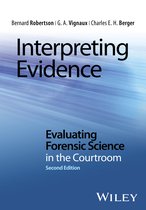
Boek hoofdstuk 4: What Questions Can the Expert Deal With?
The hierarchy of propositions has three main levels:
1. Source-level propositions are concerned with the source of a trace. This is the level we
have considered in most case examples with trace evidence so far.
2. Activity-level propositions: are concerned with the activity through which a trace was
transferred (e.g., did he kill him, or did he arrive after and provided first aid?).
3. Offence-level propositions are concerned with the offence committed. Often this will
involve legal qualifications (e.g., murder or manslaughter); interpretation will be done
by the trier of fact.
The question whether the scientist should evaluate evidence at the activity level should
depend on the capability of both the scientist and the court.
Scientists must be able to think through the issues in the case and work out how the
evidence can contribute to resolving them rather than merely comparing specimens. The
hypotheses considered should reflect the positions of both parties on the disputed issue in the
case. Hypotheses should not be phrased to reflect the question that the scientist would prefer
to answer based on the capabilities of the methods available.
The ultimate issue rule: a witness could not express an opinion on the question which
the court had to decide, questions we have referred to as offence propositions.
There appear to be two main fears motivating the rule:
1. The expert will take on the role of the advocate.
2. An expert might usurp the jury's role, which is given as a reason for excluding opinion
in several cases.
Formally, this fear can be argued to be unfounded on two grounds:
1. Any jury can reject the expert evidence.
Samenvatting Literatuur en Hoorcolleges
Semester 1 2023-2024
, Literatuur week 3: 25 – 29 september
Boek hoofdstuk 4: What Questions Can the Expert Deal With?
The hierarchy of propositions has three main levels:
1. Source-level propositions are concerned with the source of a trace. This is the level we
have considered in most case examples with trace evidence so far.
2. Activity-level propositions: are concerned with the activity through which a trace was
transferred (e.g., did he kill him, or did he arrive after and provided first aid?).
3. Offence-level propositions are concerned with the offence committed. Often this will
involve legal qualifications (e.g., murder or manslaughter); interpretation will be done
by the trier of fact.
The question whether the scientist should evaluate evidence at the activity level should
depend on the capability of both the scientist and the court.
Scientists must be able to think through the issues in the case and work out how the
evidence can contribute to resolving them rather than merely comparing specimens. The
hypotheses considered should reflect the positions of both parties on the disputed issue in the
case. Hypotheses should not be phrased to reflect the question that the scientist would prefer
to answer based on the capabilities of the methods available.
The ultimate issue rule: a witness could not express an opinion on the question which
the court had to decide, questions we have referred to as offence propositions.
There appear to be two main fears motivating the rule:
1. The expert will take on the role of the advocate.
2. An expert might usurp the jury's role, which is given as a reason for excluding opinion
in several cases.
Formally, this fear can be argued to be unfounded on two grounds:
1. Any jury can reject the expert evidence.