Lecture
Thursday, 2 February, 2023 10:04 AM
Week 1
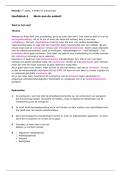
Eyewitness testimony - account given to the police by someone who witness the crime
Episodic memory - recollections of memory
Reconstructive memory - when we are recollecting our memories and it might not be accurate
Eyewitness evidence is very compelling to juries and they love it
Eyewitness misidentifications is 72% cause to wrongful jurisdictions
Memory process:
1. Actual event
2. Acquisition/encoding
3. Storage/retention
4. Retrieval
Acquisition/encoding
- Encoded (learned) of the event is the basis of what is stored and being retrieved later on
- Factors influencing:
○ Exposure duration
○ Crime seriousness
○ Weapons presence
- Flashbulb memory
- Bottom-up processing: allow stimulus to shape our perception without having any preconceived
ideas
- Top-down processing: new stimulus can be influenced by preconceived ideas, we interpret new
info with our pre-existing knowledge, expectations
Perceptual set
- Influenced by other elements in the set, it depends on what the thing is being put with together
(depends on what they "see")
Schemas
- Mental framework in our brain that guides your behaviours
- Encode and organise new information that newly entered our brain
- "scripts" - pre-existing schemas that would influence our behaviour and create expectations of
how things turn out
- Context helps fitting with existing schemas
Storage/Retention
- We tend to forget over time (inverse relationship btw time and the accuracy of our memory)
- Distortion to the memory will enhanced over time after the event witnessed, and ppl would still
be highly confident even when memory have been distorted
*a witness's confidence in a testimony can be influenced by the exposure to external sources of
information
Retrieval
Forensic Psychology (PSYC1610) Page 1
,Retrieval
- Retrieval situation similarity to the original encoding conditions situation will have more effective
retrieval
- If memory happened on land, and tested on land --> more accurate of memory
- Reconstructing the crime will enhance memory accuracy
- Two types:
○ Recall - remember sth with a cue
○ Recognition - whether recognising it or not
○ Recognition is more accurate than recall
○ However, eyewitness memory for events largely involves recalling information
Non-optimal interviewing strategies - non-effective strategies when interviewing eyewitness
- Use of leading questions
- Interrupting witness' narrative
- Rarely using open question
- Questions affirming the police's beliefs, eg. Yes/no questions - confirmation bias of police
4 principles of cognitive interview
1. Mental context reinstatement - recalling the situation of the event including smell, sounds
2. Report everything - with no interruption
3. Reverse order - start recalling from the end of the event to the start - help in stop using "scripts"
4. Change perspective - give account from perspective of another person
Episodic vs semantic memory
Semantic memory - retrieval of general conceptual knowledge
Constructivist Approach to describe memory: when explaining the difference in reported memory but
have both experienced the same event is because people have different past experiences, values and
goals and so will experience different events, even when the external event is the same
Week 2
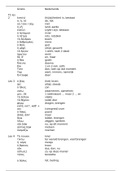
Night
Dream
Slumber
Snore
Pillow
Peace
Yawn
Drowsy
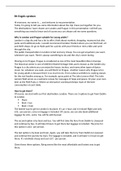
Cognitive Interview
Cognitive Interview produced more correct information but also produce more wrong information
Forensic Psychology (PSYC1610) Page 2
, Cognitive Interview produced more correct information but also produce more wrong information
Illness and cognitive interview (does not interfere, or not much details)
Additional techniques:
- Open-question
- Re-enactment
Enhanced cognitive interview - effective
- Also helps when the participants are intoxicated (alcohol/drugs influenced)
MEMORY AND ITS DISTORTIONS
7 deadly sins of memory - sometimes are needed for survival ("adaptive strength of memory")
- Transience - forgetting random information rapidly over time
○ Flashbulb memory - vivid, memorable event, having strong emotions and details, they will
be very confident. These memory will also get forgotten over time but the things that was
remembered is still quite accurate
○ Related to working memory where if the information was not being treated in our Short
Term memory (when stored in the slave stores), they will be quickly replaced by new
information
○ Hippocampus must be crucial in the gradual transition from STM to LTM
○ Reduce transience through deeper processing , greater mental effort
- Absent-mindedness - "attention"
○ Older adults have less capacity to direct attention
- Blocking - "awareness"
○ You will still remember partly
○ Knowing the answers, but somehow cannot say it
○ Retrieval induced forgetting
- Misattribution - DRM method
○ make participants to remember things confidently that have not been encountered
previously
- Suggestibility: incorporation of external information into personal recollection
○ Eyewitness testimony very susceptible
○ Any suggests/answers from police will help the eyewitness to be confident in their answer
○ Eg. The use of leading questions (wording)
- Bias: relating to existing schemas
○ Consistency bias
- Persistence: Problematic remembering
○ Influence of emotion: Problem in the activation of amygdala
○ Tend to remember false and negative memory
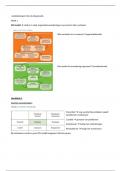
Working memory model
Retrieval induced forgetting
- When being asked about something repeatedly, this will induce a blocking effect of later on
retrieval the memory of that thing when compared to something that wasn't asked completely
- A retrieval of a certain information caused forgetting of another information
ebbinghaus forgetting curve
Forensic Psychology (PSYC1610) Page 3
Thursday, 2 February, 2023 10:04 AM
Week 1
Eyewitness testimony - account given to the police by someone who witness the crime
Episodic memory - recollections of memory
Reconstructive memory - when we are recollecting our memories and it might not be accurate
Eyewitness evidence is very compelling to juries and they love it
Eyewitness misidentifications is 72% cause to wrongful jurisdictions
Memory process:
1. Actual event
2. Acquisition/encoding
3. Storage/retention
4. Retrieval
Acquisition/encoding
- Encoded (learned) of the event is the basis of what is stored and being retrieved later on
- Factors influencing:
○ Exposure duration
○ Crime seriousness
○ Weapons presence
- Flashbulb memory
- Bottom-up processing: allow stimulus to shape our perception without having any preconceived
ideas
- Top-down processing: new stimulus can be influenced by preconceived ideas, we interpret new
info with our pre-existing knowledge, expectations
Perceptual set
- Influenced by other elements in the set, it depends on what the thing is being put with together
(depends on what they "see")
Schemas
- Mental framework in our brain that guides your behaviours
- Encode and organise new information that newly entered our brain
- "scripts" - pre-existing schemas that would influence our behaviour and create expectations of
how things turn out
- Context helps fitting with existing schemas
Storage/Retention
- We tend to forget over time (inverse relationship btw time and the accuracy of our memory)
- Distortion to the memory will enhanced over time after the event witnessed, and ppl would still
be highly confident even when memory have been distorted
*a witness's confidence in a testimony can be influenced by the exposure to external sources of
information
Retrieval
Forensic Psychology (PSYC1610) Page 1
,Retrieval
- Retrieval situation similarity to the original encoding conditions situation will have more effective
retrieval
- If memory happened on land, and tested on land --> more accurate of memory
- Reconstructing the crime will enhance memory accuracy
- Two types:
○ Recall - remember sth with a cue
○ Recognition - whether recognising it or not
○ Recognition is more accurate than recall
○ However, eyewitness memory for events largely involves recalling information
Non-optimal interviewing strategies - non-effective strategies when interviewing eyewitness
- Use of leading questions
- Interrupting witness' narrative
- Rarely using open question
- Questions affirming the police's beliefs, eg. Yes/no questions - confirmation bias of police
4 principles of cognitive interview
1. Mental context reinstatement - recalling the situation of the event including smell, sounds
2. Report everything - with no interruption
3. Reverse order - start recalling from the end of the event to the start - help in stop using "scripts"
4. Change perspective - give account from perspective of another person
Episodic vs semantic memory
Semantic memory - retrieval of general conceptual knowledge
Constructivist Approach to describe memory: when explaining the difference in reported memory but
have both experienced the same event is because people have different past experiences, values and
goals and so will experience different events, even when the external event is the same
Week 2
Night
Dream
Slumber
Snore
Pillow
Peace
Yawn
Drowsy
Cognitive Interview
Cognitive Interview produced more correct information but also produce more wrong information
Forensic Psychology (PSYC1610) Page 2
, Cognitive Interview produced more correct information but also produce more wrong information
Illness and cognitive interview (does not interfere, or not much details)
Additional techniques:
- Open-question
- Re-enactment
Enhanced cognitive interview - effective
- Also helps when the participants are intoxicated (alcohol/drugs influenced)
MEMORY AND ITS DISTORTIONS
7 deadly sins of memory - sometimes are needed for survival ("adaptive strength of memory")
- Transience - forgetting random information rapidly over time
○ Flashbulb memory - vivid, memorable event, having strong emotions and details, they will
be very confident. These memory will also get forgotten over time but the things that was
remembered is still quite accurate
○ Related to working memory where if the information was not being treated in our Short
Term memory (when stored in the slave stores), they will be quickly replaced by new
information
○ Hippocampus must be crucial in the gradual transition from STM to LTM
○ Reduce transience through deeper processing , greater mental effort
- Absent-mindedness - "attention"
○ Older adults have less capacity to direct attention
- Blocking - "awareness"
○ You will still remember partly
○ Knowing the answers, but somehow cannot say it
○ Retrieval induced forgetting
- Misattribution - DRM method
○ make participants to remember things confidently that have not been encountered
previously
- Suggestibility: incorporation of external information into personal recollection
○ Eyewitness testimony very susceptible
○ Any suggests/answers from police will help the eyewitness to be confident in their answer
○ Eg. The use of leading questions (wording)
- Bias: relating to existing schemas
○ Consistency bias
- Persistence: Problematic remembering
○ Influence of emotion: Problem in the activation of amygdala
○ Tend to remember false and negative memory
Working memory model
Retrieval induced forgetting
- When being asked about something repeatedly, this will induce a blocking effect of later on
retrieval the memory of that thing when compared to something that wasn't asked completely
- A retrieval of a certain information caused forgetting of another information
ebbinghaus forgetting curve
Forensic Psychology (PSYC1610) Page 3