A.C. 1.2. Explain the reasons why certain crimes are unreported
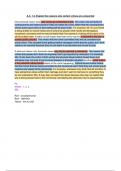
One personal reason why hate crimes go unreported is fear. The victim may be fearful of
consequences and repercussions if they do report the crime; either that the consequences
will be worse upon them or that nothing will be done at all. For example, Mr. S’s son David
is being bullied on social media and at school as people write insults and derogatory,
homphobic comments and he may be fearful that if he reports it, nothing will be done or he
will be bullied more. Another social reason that hate crime may be unreported is the lack of
current public concern. This means that the crime committed may not be considered an
actual crime. This includes David getting hateful messages online that the public don’t think
needs to be reported because they do not deem it as important and crucial to stop.
A personal reason why domestic abuse may not be reported is disinterest. This means that
crimes that people don’t think are important don’t get reported by witnesses. For example,
Mrs. S has been the victim of both verbal and physical abuse behind closed doors and
witnesses may not want to get involved between a domestic situation. Another social reason
is the potential culture-bound nature of the crime happening. Culture bound crimes means
that the crimes that are being committed by the community don’t think they are crimes due to
customs and values of the community. For example, witnesses may think that Mr and Mrs. S
have patriarchal values within their marriage and don’t want to intervene in something they
do not understand. Mrs. S may also not report the abuse because she may not realize that
she is being abused due to the community normalizing the behaviour she is experiencing.
PA
WWW - 1, 2, 3.
EBI :
Red - social/personal
Blue - definition
Yellow - link to brief
One personal reason why hate crimes go unreported is fear. The victim may be fearful of
consequences and repercussions if they do report the crime; either that the consequences
will be worse upon them or that nothing will be done at all. For example, Mr. S’s son David
is being bullied on social media and at school as people write insults and derogatory,
homphobic comments and he may be fearful that if he reports it, nothing will be done or he
will be bullied more. Another social reason that hate crime may be unreported is the lack of
current public concern. This means that the crime committed may not be considered an
actual crime. This includes David getting hateful messages online that the public don’t think
needs to be reported because they do not deem it as important and crucial to stop.
A personal reason why domestic abuse may not be reported is disinterest. This means that
crimes that people don’t think are important don’t get reported by witnesses. For example,
Mrs. S has been the victim of both verbal and physical abuse behind closed doors and
witnesses may not want to get involved between a domestic situation. Another social reason
is the potential culture-bound nature of the crime happening. Culture bound crimes means
that the crimes that are being committed by the community don’t think they are crimes due to
customs and values of the community. For example, witnesses may think that Mr and Mrs. S
have patriarchal values within their marriage and don’t want to intervene in something they
do not understand. Mrs. S may also not report the abuse because she may not realize that
she is being abused due to the community normalizing the behaviour she is experiencing.
PA
WWW - 1, 2, 3.
EBI :
Red - social/personal
Blue - definition
Yellow - link to brief