Contents
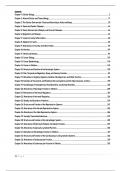
A conceptual and regulatory framework...............................................................................................2
Conceptual framework: Measurement..................................................................................................6
Introduction to published accounts.......................................................................................................9
Tangible non-current assets................................................................................................................13
Impairment of assets IAS 36................................................................................................................34
Non-current assets held for sale and discontinued operations (IFRS 5)..............................................38
IAS 37 Provisions, Contingent assets and liabilities..............................................................................39
Principles of consolidated financial statements...................................................................................46
Consolidated statement of financial position......................................................................................48
Consolidated statement of profit or loss.............................................................................................60
Associates............................................................................................................................................68
Consolidated Statement of Cash Flows................................................................................................70
Complex scenarios (from associate to subsidiary)...............................................................................77
Revenue from contracts with customers (IFRS 15)..............................................................................81
IAS 8, 10 & 12......................................................................................................................................87
Interpretation of Financial Statements................................................................................................95
, A conceptual and regulatory framework
1 The need for a regulatory framework
Why a regulatory framework is necessary:
To ensure that relevant and reliable financial reporting is achieved to meet the needs of
shareholders and other users.
The standard setting process:
International Financial Reporting Standards (IFRS) Foundation
- The supervisory body for the Board
- Is responsible for governance issues and ensuring each body is properly funded
2 A conceptual framework
,The meaning of a conceptual framework:
What is a conceptual framework?
- A coherent system of interrelated objectives and fundamental principles
- A framework which prescribes the nature, function and limits of financial accounting
and financial statements.
Why have a conceptual framework?
- Lack of conceptual framework may mean that certain critical issues are not
addressed.
- It makes it less likely that the standard-setting process can be influenced by large
companies / business sectors.
What is the purpose of the framework?
The conceptual framework includes guidance with regard to
- The objective of financial reporting
- The qualitative characteristics of financial information
- The definition, recognition and measurement of the elements of financial statements
- Concepts of capital and capital maintenance
The purpose of the framework is to:
- Assist IASB to develop IFRS Standards that are based on consistent concepts
- Assist preparers to develop consistent accounting policies when no Standard applies
to a particular transaction
- Assist all parties to understand and interpret the Standard
IFRS Standard > Framework
3 Objective of financial reporting
To provide financial information about the reporting entity that is useful to existing and
potential investors, lenders and other creditors in making decisions about providing
resources to the entity.
4 Qualitative characteristics
Qualitative characteristics – the attributes that make information provided in financial
statements useful to others.
2 categories of qualitative characteristics:
(i) Fundamental
- Relevance
- Faithful representation
(ii) Enhancing
- Comparability
, - Verifiability
- Timeliness
- Understandability
FUNDAMENTAL
1. Relevance
Information is relevant if:
It has the ability to influence the economic decisions of users, and
Is provided in time to influence those decisions
(Materiality has a direct impact on the relevance of information)
Qualities of relevance:
Predictive value enables users to evaluate or assess past, present or future events.
Confirmatory value helps users to confirm or correct past evaluations and assessments.
Materiality:
Information is material if its omission or misstatement could influence the economic
decisions of users taken on the basis of the financial statements.
It depends on the size of the item or error judged in the particular circumstances of its
omission or misstatements.
2. Faithful representation
Information must faithfully represent the effects of transactions and other events.
To be a perfectly faithful representation, financial information would possess the following
characteristics:
Completeness – to be understandable information must contain all the necessary
descriptions and explanations.
Neutrality – judgements which must be made without bias
Free from error – not 100% accurate. The financial statements will include
estimates/judgements.
Underlying assumption
The framework identifies that the underlying assumption governing financial statements is the
going concern principle.
- The going concern assumes that the business will continue its operations for the
foreseeable future.
- If a company is not a going concern, the financial statements should be prepared on
the break-up-basis.
A conceptual and regulatory framework...............................................................................................2
Conceptual framework: Measurement..................................................................................................6
Introduction to published accounts.......................................................................................................9
Tangible non-current assets................................................................................................................13
Impairment of assets IAS 36................................................................................................................34
Non-current assets held for sale and discontinued operations (IFRS 5)..............................................38
IAS 37 Provisions, Contingent assets and liabilities..............................................................................39
Principles of consolidated financial statements...................................................................................46
Consolidated statement of financial position......................................................................................48
Consolidated statement of profit or loss.............................................................................................60
Associates............................................................................................................................................68
Consolidated Statement of Cash Flows................................................................................................70
Complex scenarios (from associate to subsidiary)...............................................................................77
Revenue from contracts with customers (IFRS 15)..............................................................................81
IAS 8, 10 & 12......................................................................................................................................87
Interpretation of Financial Statements................................................................................................95
, A conceptual and regulatory framework
1 The need for a regulatory framework
Why a regulatory framework is necessary:
To ensure that relevant and reliable financial reporting is achieved to meet the needs of
shareholders and other users.
The standard setting process:
International Financial Reporting Standards (IFRS) Foundation
- The supervisory body for the Board
- Is responsible for governance issues and ensuring each body is properly funded
2 A conceptual framework
,The meaning of a conceptual framework:
What is a conceptual framework?
- A coherent system of interrelated objectives and fundamental principles
- A framework which prescribes the nature, function and limits of financial accounting
and financial statements.
Why have a conceptual framework?
- Lack of conceptual framework may mean that certain critical issues are not
addressed.
- It makes it less likely that the standard-setting process can be influenced by large
companies / business sectors.
What is the purpose of the framework?
The conceptual framework includes guidance with regard to
- The objective of financial reporting
- The qualitative characteristics of financial information
- The definition, recognition and measurement of the elements of financial statements
- Concepts of capital and capital maintenance
The purpose of the framework is to:
- Assist IASB to develop IFRS Standards that are based on consistent concepts
- Assist preparers to develop consistent accounting policies when no Standard applies
to a particular transaction
- Assist all parties to understand and interpret the Standard
IFRS Standard > Framework
3 Objective of financial reporting
To provide financial information about the reporting entity that is useful to existing and
potential investors, lenders and other creditors in making decisions about providing
resources to the entity.
4 Qualitative characteristics
Qualitative characteristics – the attributes that make information provided in financial
statements useful to others.
2 categories of qualitative characteristics:
(i) Fundamental
- Relevance
- Faithful representation
(ii) Enhancing
- Comparability
, - Verifiability
- Timeliness
- Understandability
FUNDAMENTAL
1. Relevance
Information is relevant if:
It has the ability to influence the economic decisions of users, and
Is provided in time to influence those decisions
(Materiality has a direct impact on the relevance of information)
Qualities of relevance:
Predictive value enables users to evaluate or assess past, present or future events.
Confirmatory value helps users to confirm or correct past evaluations and assessments.
Materiality:
Information is material if its omission or misstatement could influence the economic
decisions of users taken on the basis of the financial statements.
It depends on the size of the item or error judged in the particular circumstances of its
omission or misstatements.
2. Faithful representation
Information must faithfully represent the effects of transactions and other events.
To be a perfectly faithful representation, financial information would possess the following
characteristics:
Completeness – to be understandable information must contain all the necessary
descriptions and explanations.
Neutrality – judgements which must be made without bias
Free from error – not 100% accurate. The financial statements will include
estimates/judgements.
Underlying assumption
The framework identifies that the underlying assumption governing financial statements is the
going concern principle.
- The going concern assumes that the business will continue its operations for the
foreseeable future.
- If a company is not a going concern, the financial statements should be prepared on
the break-up-basis.