Tutorial 5 – protocol check
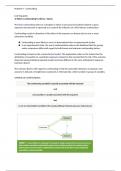
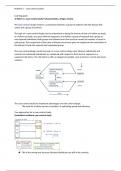
Learning goals
1) What is included in the blueprint? Why would you need a blueprint?
A blueprint is a logic model that described the intervention as planned. A blueprint is used to create
input for cost-effectiveness analysis: time investment, material investment
2) What is the importance of process evaluation? (goal)
Process evaluation is the analysis of how and why the program works or does not work.
Difference outcome and process evaluation:
- Outcome evaluation look at results of the intervention group compared to the comparison
group
- Process evaluation looks at the outputs of the intervention process
o To whom, what, when, where, how much of the intervention has been delivered by
the participants?
o How have participants reacted to the intervention?
Uses of process evaluations:
- Formative
o To identify what is working well and what needs improvement
o To explore whether intervention may be harming participants
- Summative
o To use data as mediators and moderators in analysis of impact (exploration of
dosage treatment effects)
o To help ensure intervention is not falsely rejected
o To documents what was done if outcome warrants future replication of intervention
Key process evaluation components:
- Fidelity quality
- Dose delivered completeness
- Dose received exposure
- Dose received satisfaction
- Reach participation rate
- Recruitment
- Context
- Training
To avoid:
- False conclusions
- Type III error
3) What are the questions you must ask yourself when doing a process evaluation?
The three major questions of process evaluations:
- What is the program intended to be?
o Methods to develop and specify program components
Learning goals
1) What is included in the blueprint? Why would you need a blueprint?
A blueprint is a logic model that described the intervention as planned. A blueprint is used to create
input for cost-effectiveness analysis: time investment, material investment
2) What is the importance of process evaluation? (goal)
Process evaluation is the analysis of how and why the program works or does not work.
Difference outcome and process evaluation:
- Outcome evaluation look at results of the intervention group compared to the comparison
group
- Process evaluation looks at the outputs of the intervention process
o To whom, what, when, where, how much of the intervention has been delivered by
the participants?
o How have participants reacted to the intervention?
Uses of process evaluations:
- Formative
o To identify what is working well and what needs improvement
o To explore whether intervention may be harming participants
- Summative
o To use data as mediators and moderators in analysis of impact (exploration of
dosage treatment effects)
o To help ensure intervention is not falsely rejected
o To documents what was done if outcome warrants future replication of intervention
Key process evaluation components:
- Fidelity quality
- Dose delivered completeness
- Dose received exposure
- Dose received satisfaction
- Reach participation rate
- Recruitment
- Context
- Training
To avoid:
- False conclusions
- Type III error
3) What are the questions you must ask yourself when doing a process evaluation?
The three major questions of process evaluations:
- What is the program intended to be?
o Methods to develop and specify program components