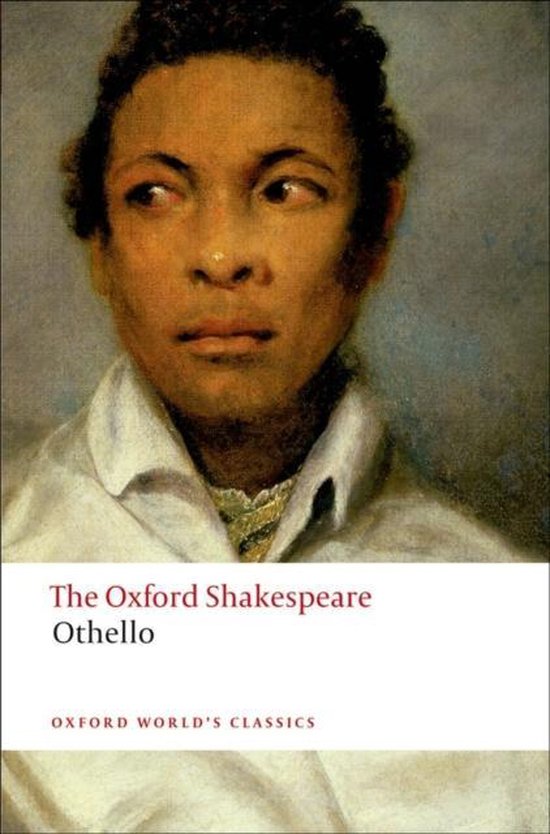
Unit 3: Othello
February 6th - 27th
Contexts
Hamlet has been written for some time and Macbeth is in the works at this time…
● Othello is the tragedy of marriage. Shakespeare took the jealous ensign who tricks
Othello and splits it into two characters: Roderigo (jealous of Othello’s marriage) and
Iago (jealous for literally all reasons). It’s hard to close down what Iago’s motives are.
Hugely problematic issue of performance – Othello was often performed with either white men
in blackface, or (in the odd event) by a black man.
● To be cast by Othello if you are a black man feels like a crucifixion, especially when
most of your audience is white. Many theatre companies try to do colour-blind casting.
Anyone except Iago can be a colourblind cast.
○ Problem with casting Iago as black: he symbolizes European xenophobia. By
casting him as black, you take away a lot of the xenophobia.
Othello deals with the central character (Othello) and the secondary undergoer of tragic action
(Desdemona), who, against the odds and the prevailing views of their culture, risk everything to
be together (and they pay).
● We begin to grasp how hostile the culture is to what they have done. Brabantio is
shocked that Desdemona isn’t the doll that he thought she would be – she was supposed
to remain on the shelf until he decided who she would marry.
● Brabantio, through Desdemona’s agency, has been robbed of his right to dispose of her
as part of his own body. There’s a lot (in the early language of the play) with Iago
saying that Brabantio has let Othello castrate him.
○ In the time of the play, Venice was a big trading place (but the Turks ruled). In a
way, you could say that the Christiandom that had lost every Crusade against
Islam is feeling diminished by the superior performance of Islamic nations in the
naval and mechant field.
○ Venice appoints Othello (a former Muslim) to the role of General—at some level,
they feel that he is the only one who can defeat the Turks.
■ Cassio is appointed in Othello’s place—suggests that Othello is good
enough to command in battle, but is not the correct profile or ethnicity to
rule in a time of peace.
■ They need Othello in battle, but they do not need him when the Turks
are gone. It makes sense that Desdemona is happy about Cassio being
appointed – she doesn’t feel that Cyprus is a good place for the marriage.
● Othello strikes her across the face because he feels like she’s (a)
cheering for her lover Cassio and (b) happy that an ethnic Italian
has been appointed instead of a Moor.
As Iago surmises, when he talks to Roderigo in 1.1, they don’t have anyone who is as well
respected, trusted, or capable to take his place—they are going to let Othello get away with the
elopement. The Duke and the Senators are disposed in Othello’s favour immediately.
● It’s not because they love him—it’s because the Turks are coming close and they need
Othello to protect them. Brabantio’s complaint doesn’t matter at that moment
because Venice needs Othello to protect them from the Turks.
, ○ Venice’s practical goals will mean that their racist ideas will be held back until a
better time (at the end of the play).
Not neutral patriarchy—it’s charged with misogyny that is summoned through Iago. At the
subconscious level, it is waiting to be conjured into the light where it can be seen (these men do
not seem to hate women until Iago summons their hatred).
● The play is constructed to show Desdemona at the centre—everyone is bent on seducing
her, killing her, and loving her. Everyone blames her for various crimes. Yet, she is the
one person that doesn’t have selfish hatred, or the will to exploit others.
● While Othello is focused on Desdemona as his enemy, it is Iago who wants to ruin him
and kill him. Iago makes Othello think that Desdemona is his destroyer.
Psychemechia: Othello is every man, while also being the other (a problematic category—there
is no “other,” there is only everyone). The play moves us back and forth from seeing Othello as
the other and seeing him as us. It fractures the distinct category of the other and us.
● They bleed into each other and cannot be distinguished from each other anymore.
Othello’s Good Angels
Desdemona – she is, like Othello, part of an oppressed group (female) and finds a common
cause within each other. She rejects the wealthy men of her nation and elopes with a Moor.
● She doesn’t care—she wants freedom, and she wants to be with Othello. To her, he
represents the larger world of liberty and self-determination. She loves him for the
adventures he has passed through. She feels compassion for his suffering.
● He falls in love with her becomes she weeps for him. He was sold into slavery, fought his
way out, became a soldier before he had a beard, and never looked back. His life was full
of peril and lots of trauma, and she fully accepts him regardless.
● Desdemona represents the good aspects of their marriage: she shows love and devotion
to Othello. She also represents faith—she believes in him. As long as Othello believes in
Desdemona, everything is fine.
Othello’s Bad Angels
Iago – represents jealousy, envy, hatred, obsession, and ambition. Since he cannot climb any
higher, he is going to destroy people (like Cassio) in order to climb up.
Desdemona – she’s not a bad angel in reality—she is a bad angel in Iago’s discourse which
sparks anger in Othello. Because he has faith in Desdemona, Othello feels very defenceless
without her. He puts on the armour that has kept him safe—he doesn’t know how to feel safe and
feel comfortable without his armour.
● When he’s in bed with Desdemona, he doesn’t have armor.
● She represents vulnerability and defencelessness.
● Liberty and individual-will are the two things that she pursued to marry Desdemona.
Iago later tells Othello that she deceived her father to marry him. He obscures the point
that she deceived her father to marry Othello because she really cared for Othello.
○ Othello surrenders his individual experiential knowledge of Desdemona in place
of Iago’s purported idea of women as whores. That women, together, heroically
defy social codes to unite.
○ Iago makes Desdemona looks like she defies masculinity. If Desdemona could
run away with a Moor, then perhaps Desdemona could also run away with Cassio.
February 6th - 27th
Contexts
Hamlet has been written for some time and Macbeth is in the works at this time…
● Othello is the tragedy of marriage. Shakespeare took the jealous ensign who tricks
Othello and splits it into two characters: Roderigo (jealous of Othello’s marriage) and
Iago (jealous for literally all reasons). It’s hard to close down what Iago’s motives are.
Hugely problematic issue of performance – Othello was often performed with either white men
in blackface, or (in the odd event) by a black man.
● To be cast by Othello if you are a black man feels like a crucifixion, especially when
most of your audience is white. Many theatre companies try to do colour-blind casting.
Anyone except Iago can be a colourblind cast.
○ Problem with casting Iago as black: he symbolizes European xenophobia. By
casting him as black, you take away a lot of the xenophobia.
Othello deals with the central character (Othello) and the secondary undergoer of tragic action
(Desdemona), who, against the odds and the prevailing views of their culture, risk everything to
be together (and they pay).
● We begin to grasp how hostile the culture is to what they have done. Brabantio is
shocked that Desdemona isn’t the doll that he thought she would be – she was supposed
to remain on the shelf until he decided who she would marry.
● Brabantio, through Desdemona’s agency, has been robbed of his right to dispose of her
as part of his own body. There’s a lot (in the early language of the play) with Iago
saying that Brabantio has let Othello castrate him.
○ In the time of the play, Venice was a big trading place (but the Turks ruled). In a
way, you could say that the Christiandom that had lost every Crusade against
Islam is feeling diminished by the superior performance of Islamic nations in the
naval and mechant field.
○ Venice appoints Othello (a former Muslim) to the role of General—at some level,
they feel that he is the only one who can defeat the Turks.
■ Cassio is appointed in Othello’s place—suggests that Othello is good
enough to command in battle, but is not the correct profile or ethnicity to
rule in a time of peace.
■ They need Othello in battle, but they do not need him when the Turks
are gone. It makes sense that Desdemona is happy about Cassio being
appointed – she doesn’t feel that Cyprus is a good place for the marriage.
● Othello strikes her across the face because he feels like she’s (a)
cheering for her lover Cassio and (b) happy that an ethnic Italian
has been appointed instead of a Moor.
As Iago surmises, when he talks to Roderigo in 1.1, they don’t have anyone who is as well
respected, trusted, or capable to take his place—they are going to let Othello get away with the
elopement. The Duke and the Senators are disposed in Othello’s favour immediately.
● It’s not because they love him—it’s because the Turks are coming close and they need
Othello to protect them. Brabantio’s complaint doesn’t matter at that moment
because Venice needs Othello to protect them from the Turks.
, ○ Venice’s practical goals will mean that their racist ideas will be held back until a
better time (at the end of the play).
Not neutral patriarchy—it’s charged with misogyny that is summoned through Iago. At the
subconscious level, it is waiting to be conjured into the light where it can be seen (these men do
not seem to hate women until Iago summons their hatred).
● The play is constructed to show Desdemona at the centre—everyone is bent on seducing
her, killing her, and loving her. Everyone blames her for various crimes. Yet, she is the
one person that doesn’t have selfish hatred, or the will to exploit others.
● While Othello is focused on Desdemona as his enemy, it is Iago who wants to ruin him
and kill him. Iago makes Othello think that Desdemona is his destroyer.
Psychemechia: Othello is every man, while also being the other (a problematic category—there
is no “other,” there is only everyone). The play moves us back and forth from seeing Othello as
the other and seeing him as us. It fractures the distinct category of the other and us.
● They bleed into each other and cannot be distinguished from each other anymore.
Othello’s Good Angels
Desdemona – she is, like Othello, part of an oppressed group (female) and finds a common
cause within each other. She rejects the wealthy men of her nation and elopes with a Moor.
● She doesn’t care—she wants freedom, and she wants to be with Othello. To her, he
represents the larger world of liberty and self-determination. She loves him for the
adventures he has passed through. She feels compassion for his suffering.
● He falls in love with her becomes she weeps for him. He was sold into slavery, fought his
way out, became a soldier before he had a beard, and never looked back. His life was full
of peril and lots of trauma, and she fully accepts him regardless.
● Desdemona represents the good aspects of their marriage: she shows love and devotion
to Othello. She also represents faith—she believes in him. As long as Othello believes in
Desdemona, everything is fine.
Othello’s Bad Angels
Iago – represents jealousy, envy, hatred, obsession, and ambition. Since he cannot climb any
higher, he is going to destroy people (like Cassio) in order to climb up.
Desdemona – she’s not a bad angel in reality—she is a bad angel in Iago’s discourse which
sparks anger in Othello. Because he has faith in Desdemona, Othello feels very defenceless
without her. He puts on the armour that has kept him safe—he doesn’t know how to feel safe and
feel comfortable without his armour.
● When he’s in bed with Desdemona, he doesn’t have armor.
● She represents vulnerability and defencelessness.
● Liberty and individual-will are the two things that she pursued to marry Desdemona.
Iago later tells Othello that she deceived her father to marry him. He obscures the point
that she deceived her father to marry Othello because she really cared for Othello.
○ Othello surrenders his individual experiential knowledge of Desdemona in place
of Iago’s purported idea of women as whores. That women, together, heroically
defy social codes to unite.
○ Iago makes Desdemona looks like she defies masculinity. If Desdemona could
run away with a Moor, then perhaps Desdemona could also run away with Cassio.