Minority Shareholders’ Rights and Shareholder Litigation
Readings: Pettet, Lowry and Reisberg’s Company Law (5th edition), chapter 11 pages 258-271 only
(section 11.1 ‘Introduction: shareholder litigation generally’ to and including section 11.3 ‘Deficiencies in
the common law and the approach to reform’)
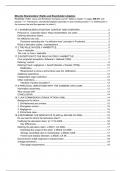
17.1 SHAREHOLDER LITIGATION: CONTEXT AND OVERVIEW.............................................2
Personal vs. corporate claims: Ways shareholders can claim.................................................2
Defining derivative claims........................................................................................................2
No reflective loss rule.............................................................................................................. 3
Decisions extending the “no reflective loss” principle in Prudential.....................................3
Risks w derivative claims, considerations................................................................................5
17.2 THE RULE IN FOSS V HARBOTTLE..................................................................................5
Foss v Harbottle...................................................................................................................... 5
The ‘rule’ in Foss v Harbottle...................................................................................................7
17.3 EXCEPTION TO THE RULE IN FOSS V HARBOTTLE.......................................................7
Four purported exceptions: Edwards v Halliwell [1950]...........................................................7
Defining “control”..................................................................................................................... 8
Defining Fraud: negligence + benefit (Daniels v Daniels [1978])...........................................10
Ratification........................................................................................................................ 11
Requirement to show a prima facie case (for ratification).................................................11
Additional restrictions............................................................................................................ 12
Independent organ restriction................................................................................................12
Other restrictions................................................................................................................... 12
Interests of justice exception?...........................................................................................13
17.4 PRACTICAL LIMITATIONS WITH THE COMMON LAW CLAIM.......................................13
Information asymmetry.......................................................................................................... 13
Why not just sell?.................................................................................................................. 13
CONCLUSION...................................................................................................................... 14
18.1 LAW COMMISSION CONSULTATION (1996)...................................................................14
Background to reform:........................................................................................................... 14
1. Old-fashioned and unclear................................................................................................15
2. Wrongdoer control............................................................................................................. 15
3. Negligence........................................................................................................................ 15
4. Prima facie case................................................................................................................ 15
18.2 REFORMING THE DERIVATIVE CLAIM (ss 260-269 CA 2006).......................................15
Do we need to reform the derivative claim?...........................................................................15
Codifying the derivative claim: pt.11 CA 2006.......................................................................16
Key differences................................................................................................................. 16
Defining the derivative claim: s 260(1), CA 2006...................................................................17
Extending the scope of the claim: s 260(3) CA 2006........................................................17
Wrongs committed prior to membership: s 260(4) CA06..................................................17
Former and shadow directors: s 260(5), CA 06................................................................18
Government’s initial response to industry fears.....................................................................18
2-stage permission................................................................................................................ 19
First stage requirements...................................................................................................19
, Second stage requirements..............................................................................................19
Combining the two stages…..................................................................................................20
Stage two: when must permission be refused (s 263(2) CA 2006)...................................20
Stage two: what to take into account when giving permission (s 263(3) CA 2006)...........20
Stage two: return of Smith v Croft (No. 2) - in considering whether to give permission.....20
Reflections on s263 CA 2006?.........................................................................................21
18.3 JUDICIAL CONSIDERATION OF THE STATUTORY CLAIM............................................21
Lessons from Franbar and Sinclair........................................................................................23
Shareholders successful?.................................................................................................23
Wrongdoer control................................................................................................................. 26
17.1 SHAREHOLDER LITIGATION: CONTEXT AND OVERVIEW
Differentiating between personal and corporate actions
- Judicial consideration: difficult to let go of some stuff
Personal vs. corporate claims: Ways shareholders can claim
Personal: rights that the shareholders have that have been breached
If those have been breached, shareholder can just issue litigation in the usual way
● Right to vote (Pender v Lushington)
● Right to object to class rights variation
Derivative claim: corporate claim, vests in the company itself
Corporate claims
● Breach of directors’ duties
● Misappropriation of corporate property
Who has the right to act on behalf of the company?
● The board (art 3; John Shaw & Sons v Shaw)
○ (directors wont issue proceedings against themselves)
● Shareholders (art 4)
○ In some circumstances, but the bar is v high
● Implications in governance
○ If directors know it is difficult for a claim 2 be issued, those duties r not going to
be performing that prophylactic effect we r talking about (the deterrence)
○ Company has a right in action they r unable to enforce
Note: not always a bad decision not to litigate!
Defining derivative claims
Derivative claim:
● Mechanism by which minority shareholder(s) can initiate an action to enforce the
company’s rights where directors are in breach
○ Deriving from the rights of the company (gotem)
, ○ Does NOT create liability/entitlement. Procedural device for the court 2 do justice
for the company
○ A pleading of necessity to avoid a ‘wrong going without redress’ (Smith v Croft)
● Important: Bc the proceedings are issued in the name of the company → any
benefit flows to the company and not the shareholder bringing the claim
○ Considerations:
■ Floodgate of litigation if we made the derivative claim easier
■ Taking directors’ time away from managing the company
■ Shareholders’ incentive for doing that? Not rly an opportunistic action,
rather restoring the company itself
○ ‘Procedural device for enabling the court to do justice to a company’ (Nurcombe
v Nurcombe)
○ Company will be joined to proceedings for relief purposes
No reflective loss rule
● [a shareholder cannot] recover damages merely because the company in which he is
interested has suffered damage. He cannot recover a sum equal to the diminution in the
market value of his shares, or equal to the likely diminution in dividend, because such a
‘loss’ is merely a reflection of the loss suffered by the company. Prudential Assurance
Co Ltd v Newman Industries Ltd (No 2) [1982] Ch 204
● Shareholder can’t recover the loss bc: the company recovers the loss → the
shareholder is then made whole
○ However, shareholder loss is not recognised as a separate loss to the company,
cannot recover the mere reflective loss
● Not double recovery: shareholders know they invest on the basis that they can only
influence company decision-making through internal mechanisms (voting rights, GMs)
○ thus the only way to address concerns is to utilise the internal processes.
Decisions extending the “no reflective loss” principle in Prudential
Johnson v Gore Wood & Co [2002] – endorsed Prudential but Lord Millett adopted an
expanded, policy-based approach, justifying the rule on the need to avoid double recovery.
● Facts: solicitors acted for W Homes Ltd to exercise option to acquire land
○ Delay in solicitors actions, significant delay in land being conveyed to the
company (4y)
○ In 4y, things happened leading to significant loss incurred by W Homes: collapse
of property market
○ Settled midway through lengthy litigation, but problem was:
■ Solicitors also acted for majority acted for Johnson in a personal
capacity + for Johnson’s various companies → raises questions
about who solits r acting for in any given situations
● Args
Readings: Pettet, Lowry and Reisberg’s Company Law (5th edition), chapter 11 pages 258-271 only
(section 11.1 ‘Introduction: shareholder litigation generally’ to and including section 11.3 ‘Deficiencies in
the common law and the approach to reform’)
17.1 SHAREHOLDER LITIGATION: CONTEXT AND OVERVIEW.............................................2
Personal vs. corporate claims: Ways shareholders can claim.................................................2
Defining derivative claims........................................................................................................2
No reflective loss rule.............................................................................................................. 3
Decisions extending the “no reflective loss” principle in Prudential.....................................3
Risks w derivative claims, considerations................................................................................5
17.2 THE RULE IN FOSS V HARBOTTLE..................................................................................5
Foss v Harbottle...................................................................................................................... 5
The ‘rule’ in Foss v Harbottle...................................................................................................7
17.3 EXCEPTION TO THE RULE IN FOSS V HARBOTTLE.......................................................7
Four purported exceptions: Edwards v Halliwell [1950]...........................................................7
Defining “control”..................................................................................................................... 8
Defining Fraud: negligence + benefit (Daniels v Daniels [1978])...........................................10
Ratification........................................................................................................................ 11
Requirement to show a prima facie case (for ratification).................................................11
Additional restrictions............................................................................................................ 12
Independent organ restriction................................................................................................12
Other restrictions................................................................................................................... 12
Interests of justice exception?...........................................................................................13
17.4 PRACTICAL LIMITATIONS WITH THE COMMON LAW CLAIM.......................................13
Information asymmetry.......................................................................................................... 13
Why not just sell?.................................................................................................................. 13
CONCLUSION...................................................................................................................... 14
18.1 LAW COMMISSION CONSULTATION (1996)...................................................................14
Background to reform:........................................................................................................... 14
1. Old-fashioned and unclear................................................................................................15
2. Wrongdoer control............................................................................................................. 15
3. Negligence........................................................................................................................ 15
4. Prima facie case................................................................................................................ 15
18.2 REFORMING THE DERIVATIVE CLAIM (ss 260-269 CA 2006).......................................15
Do we need to reform the derivative claim?...........................................................................15
Codifying the derivative claim: pt.11 CA 2006.......................................................................16
Key differences................................................................................................................. 16
Defining the derivative claim: s 260(1), CA 2006...................................................................17
Extending the scope of the claim: s 260(3) CA 2006........................................................17
Wrongs committed prior to membership: s 260(4) CA06..................................................17
Former and shadow directors: s 260(5), CA 06................................................................18
Government’s initial response to industry fears.....................................................................18
2-stage permission................................................................................................................ 19
First stage requirements...................................................................................................19
, Second stage requirements..............................................................................................19
Combining the two stages…..................................................................................................20
Stage two: when must permission be refused (s 263(2) CA 2006)...................................20
Stage two: what to take into account when giving permission (s 263(3) CA 2006)...........20
Stage two: return of Smith v Croft (No. 2) - in considering whether to give permission.....20
Reflections on s263 CA 2006?.........................................................................................21
18.3 JUDICIAL CONSIDERATION OF THE STATUTORY CLAIM............................................21
Lessons from Franbar and Sinclair........................................................................................23
Shareholders successful?.................................................................................................23
Wrongdoer control................................................................................................................. 26
17.1 SHAREHOLDER LITIGATION: CONTEXT AND OVERVIEW
Differentiating between personal and corporate actions
- Judicial consideration: difficult to let go of some stuff
Personal vs. corporate claims: Ways shareholders can claim
Personal: rights that the shareholders have that have been breached
If those have been breached, shareholder can just issue litigation in the usual way
● Right to vote (Pender v Lushington)
● Right to object to class rights variation
Derivative claim: corporate claim, vests in the company itself
Corporate claims
● Breach of directors’ duties
● Misappropriation of corporate property
Who has the right to act on behalf of the company?
● The board (art 3; John Shaw & Sons v Shaw)
○ (directors wont issue proceedings against themselves)
● Shareholders (art 4)
○ In some circumstances, but the bar is v high
● Implications in governance
○ If directors know it is difficult for a claim 2 be issued, those duties r not going to
be performing that prophylactic effect we r talking about (the deterrence)
○ Company has a right in action they r unable to enforce
Note: not always a bad decision not to litigate!
Defining derivative claims
Derivative claim:
● Mechanism by which minority shareholder(s) can initiate an action to enforce the
company’s rights where directors are in breach
○ Deriving from the rights of the company (gotem)
, ○ Does NOT create liability/entitlement. Procedural device for the court 2 do justice
for the company
○ A pleading of necessity to avoid a ‘wrong going without redress’ (Smith v Croft)
● Important: Bc the proceedings are issued in the name of the company → any
benefit flows to the company and not the shareholder bringing the claim
○ Considerations:
■ Floodgate of litigation if we made the derivative claim easier
■ Taking directors’ time away from managing the company
■ Shareholders’ incentive for doing that? Not rly an opportunistic action,
rather restoring the company itself
○ ‘Procedural device for enabling the court to do justice to a company’ (Nurcombe
v Nurcombe)
○ Company will be joined to proceedings for relief purposes
No reflective loss rule
● [a shareholder cannot] recover damages merely because the company in which he is
interested has suffered damage. He cannot recover a sum equal to the diminution in the
market value of his shares, or equal to the likely diminution in dividend, because such a
‘loss’ is merely a reflection of the loss suffered by the company. Prudential Assurance
Co Ltd v Newman Industries Ltd (No 2) [1982] Ch 204
● Shareholder can’t recover the loss bc: the company recovers the loss → the
shareholder is then made whole
○ However, shareholder loss is not recognised as a separate loss to the company,
cannot recover the mere reflective loss
● Not double recovery: shareholders know they invest on the basis that they can only
influence company decision-making through internal mechanisms (voting rights, GMs)
○ thus the only way to address concerns is to utilise the internal processes.
Decisions extending the “no reflective loss” principle in Prudential
Johnson v Gore Wood & Co [2002] – endorsed Prudential but Lord Millett adopted an
expanded, policy-based approach, justifying the rule on the need to avoid double recovery.
● Facts: solicitors acted for W Homes Ltd to exercise option to acquire land
○ Delay in solicitors actions, significant delay in land being conveyed to the
company (4y)
○ In 4y, things happened leading to significant loss incurred by W Homes: collapse
of property market
○ Settled midway through lengthy litigation, but problem was:
■ Solicitors also acted for majority acted for Johnson in a personal
capacity + for Johnson’s various companies → raises questions
about who solits r acting for in any given situations
● Args