SOC427 – Indigenous perspectives on Canada
January 13, 2023
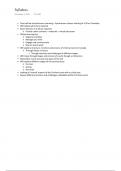
Go over the syllabus and expectations
Bonding activities
Visiting and developing relationships is a way to build knowledge
Why do we take this class?
The Truth and reconciliation commission (TRC 2008-2015) examined the impact of Residential Schools on indigenous
people in Canada and concluded that those were a “cultural genocide”. It resulted in 94 calls to action, many of which
were for public education in Canada on topics such as indigenous knowledge, laws, contributions to society, treaties and
aboriginal rights, and the impact of colonialism and residential schools.
Why X university?
Anti-colonial language:
It’s important to always capitalize the word Indigenous
Be specific, Indigenous is not the same as First Nations, Indians, etc.
Never use “our Indigenous peoples” or “Canada’s Indigenous peoples” [Indigenous people in what is currently Canada]
Don’t use “the Indigenous”
Went to … school
Nations?
Whose land are we on:
- Michi Saagiig (Mississauga) “Those at the mouth of the Great River”. South-Eastern Anishinaabe (The People).
They speak Algonquian language. They have a political confederacy: Three Fires Confederacy. They signed Treaty
13 in 1805 for the purchase of the GTA from the Crown.
- Haudenosaunee Peoples (Ohkwehonwe – The People). They speak Iroquoian language. This is where the name
Toronto (Ateron:toh [Place Where Trees Stand in the Warer) vs Tkaronto [Over there… in the place where trees
stand in the water]).
Six Nations Confederacy: Seneca, Cayuga, Onondaga, Oneida, Mohawk, Tuscarora
- Wendar (other names are Huron and Neutral). They speak Iroquoian language. They were here before but they
moved north (Quebec) and south (Oklahoma).
,January 20, 2023
Some tips on how to read an academic article:
- Before reading word for word, read the abstract, go through the paragraph, and then the conclusion
- The conclusion gives you a clue of what the big ideas are in the paper and what to expect
- Read the paper looking for big ideas that were in the conclusion
- Google scholar is good to check when you don’t understand certain concepts
- If you are struggling with something, bring it to class
- There is an option of listening to papers (Voice Dream)
Key terms
Indigenous peoples (with the S) are the most respectful term for now. The S acknowledges the different nations and the
diversity that there is. In Canada “Indigenous” means:
First Nations is legally an “Indian band”, those subjected to the Indian act (so it’s still a colonial term because they are
under colonial law). Most “Indian bands” have a reserve. This does not include Inuit or Metis, so they are not First
Nations.
Metis are not included in First Nations because they are distinct people who descend from Cree, Saulteaux, or Ojibway
and French traders. Mostly from the Red River region in present-day Manitoba. They are not “half native”, it’s a distinct
group of people from a particular area. They emerged in the 1700s. their identity is often stolen and used by non-
Indigenous people who claim one Indigenous ancestor from long ago (Eastern Metis is not an Indigenous identity).
The emergence of the Metis Nation: they are a prairie Nation. They are distinct people with a language (Michif), a land
base (prairies of that is currently Manitoba, Saskatchewan, Alberta), a common lineage (a specific group of families), a
unique culture, and a relationship to the land.
You are a Metis person only if you descend from a specific group of people. Metis Nationhood is distinctly rooted in
Kinship connections. They can trace their families back to specific areas, to specific peoples, who practiced unique forms
of trade and hunting based on principles of kin connection and sustainability.
Metis culture is unique to the prairies. Fiddle is their music. They have a flag with an infinite symbol that is a symbol of
two peoples blending. It has been used in the resistance and protests.
The Sash is a garment used by many Indigenous peoples but it became a symbol of metis identity.
The myth of Metissage: A lot of Europeans pretend to be Metis.
Current Statistic Canada surveys allow for “self-identification” but people started claiming of being Metis. This creates a
false picture of Indigenous peoples.
Inuit are people from the Artic region of Inuit Nunanga and they share common identities and language with Inuit in
other settler states like the US, Russia, and Greenland. Inuk is one person. Inuuk is two people. Inuit is plural. Don’t say
“Inuit people” or “Inuk person”, it’s repetitive, it means “people people”.
These are the three distinct identities that are considered Indigenous in Canada.
Indian is a legal term in Canada, and that’s why it’s still used.
- The Indian status of an individual who is registered as an Indian under the Indian Act, usually with an Indian
Band
- Indian Band is a “body” of Indians, a recognized group of Indians who were subjected to Indian legislation in
1857 (before the Indian act)
- Indian register is the official record of persons who are registered as Status Indians under the Indian Act,
maintained by Crown-Indigenous Relations and Northern Affairs Canada (CIRNAC)
- Non-status Indian is an individual who is descended from an Indian but is not registered with a First Nation, or is
registered with a First Nation who is not subject to the Indian act
, - The term Indian is an offensive term as a non-indigenous person. This can be used only referring to wording in
the Indian Act
- There is an Indian Status system in Canada. There are two categories: sections 1 and 2. Section 1 is when your
parents have both section 1 status, section 2 is when only one of the parents has status. Status is only in Canada;
it doesn’t mean indigenous or not. To fix the problems Canada created they created many more sections. This
system was used in South Africa during Apartheid
- Why would a non-indigenous woman that gained status with marriage before 1985 not want to lose their
status? Because they have tax “benefits” or exemptions in Ontario because they have a record of whatever they
do. This might be a personal benefit but the political meaning of this is bad.
- Indian Reserve is a “tract of land, the legal title to which is vested in Her Majesty, that has been set apart by Her
Majesty for the use and benefit of a band” (Indian Act)
Indigenous:
- Refers to First Nations, Metis, and Inuit collectively
- It’s a term that is largely colloquial and sometimes (generally internationally) is used in legal documents (UN for
example) and it’s mostly accepted in the broader international community and amongst Indigenous scholars also
because it refers to indigenous people globally
- It’s definitely the politically correct term right now (indigeneity quality of being indigenous)
Aboriginal:
- Is a legal term in Canada, it was the word to use for First Nations, Inui, and Metis in Section 35 of the Canadian
Constitution
- Canada started using it without any consent because Australia used to use it. Just don’t use it unless it’s about
Section 35 or citing.
- Since 2015 there has been a shift to using “Indigenous”.
Native:
- It’s a colloquial term but it doesn’t have any political or legal definitions. It’s not an offensive term and it’s
informal.
- It’s not preferred because it doesn’t refer specifically to indigeneity, I am a native Italian.
- It’s not offensive but also not accurate
The Indian act was created in 1876 and it was a consolidation of two laws from 1856 and 1869. It’s a system designed to
control hundreds of First Nations.
January 13, 2023
Go over the syllabus and expectations
Bonding activities
Visiting and developing relationships is a way to build knowledge
Why do we take this class?
The Truth and reconciliation commission (TRC 2008-2015) examined the impact of Residential Schools on indigenous
people in Canada and concluded that those were a “cultural genocide”. It resulted in 94 calls to action, many of which
were for public education in Canada on topics such as indigenous knowledge, laws, contributions to society, treaties and
aboriginal rights, and the impact of colonialism and residential schools.
Why X university?
Anti-colonial language:
It’s important to always capitalize the word Indigenous
Be specific, Indigenous is not the same as First Nations, Indians, etc.
Never use “our Indigenous peoples” or “Canada’s Indigenous peoples” [Indigenous people in what is currently Canada]
Don’t use “the Indigenous”
Went to … school
Nations?
Whose land are we on:
- Michi Saagiig (Mississauga) “Those at the mouth of the Great River”. South-Eastern Anishinaabe (The People).
They speak Algonquian language. They have a political confederacy: Three Fires Confederacy. They signed Treaty
13 in 1805 for the purchase of the GTA from the Crown.
- Haudenosaunee Peoples (Ohkwehonwe – The People). They speak Iroquoian language. This is where the name
Toronto (Ateron:toh [Place Where Trees Stand in the Warer) vs Tkaronto [Over there… in the place where trees
stand in the water]).
Six Nations Confederacy: Seneca, Cayuga, Onondaga, Oneida, Mohawk, Tuscarora
- Wendar (other names are Huron and Neutral). They speak Iroquoian language. They were here before but they
moved north (Quebec) and south (Oklahoma).
,January 20, 2023
Some tips on how to read an academic article:
- Before reading word for word, read the abstract, go through the paragraph, and then the conclusion
- The conclusion gives you a clue of what the big ideas are in the paper and what to expect
- Read the paper looking for big ideas that were in the conclusion
- Google scholar is good to check when you don’t understand certain concepts
- If you are struggling with something, bring it to class
- There is an option of listening to papers (Voice Dream)
Key terms
Indigenous peoples (with the S) are the most respectful term for now. The S acknowledges the different nations and the
diversity that there is. In Canada “Indigenous” means:
First Nations is legally an “Indian band”, those subjected to the Indian act (so it’s still a colonial term because they are
under colonial law). Most “Indian bands” have a reserve. This does not include Inuit or Metis, so they are not First
Nations.
Metis are not included in First Nations because they are distinct people who descend from Cree, Saulteaux, or Ojibway
and French traders. Mostly from the Red River region in present-day Manitoba. They are not “half native”, it’s a distinct
group of people from a particular area. They emerged in the 1700s. their identity is often stolen and used by non-
Indigenous people who claim one Indigenous ancestor from long ago (Eastern Metis is not an Indigenous identity).
The emergence of the Metis Nation: they are a prairie Nation. They are distinct people with a language (Michif), a land
base (prairies of that is currently Manitoba, Saskatchewan, Alberta), a common lineage (a specific group of families), a
unique culture, and a relationship to the land.
You are a Metis person only if you descend from a specific group of people. Metis Nationhood is distinctly rooted in
Kinship connections. They can trace their families back to specific areas, to specific peoples, who practiced unique forms
of trade and hunting based on principles of kin connection and sustainability.
Metis culture is unique to the prairies. Fiddle is their music. They have a flag with an infinite symbol that is a symbol of
two peoples blending. It has been used in the resistance and protests.
The Sash is a garment used by many Indigenous peoples but it became a symbol of metis identity.
The myth of Metissage: A lot of Europeans pretend to be Metis.
Current Statistic Canada surveys allow for “self-identification” but people started claiming of being Metis. This creates a
false picture of Indigenous peoples.
Inuit are people from the Artic region of Inuit Nunanga and they share common identities and language with Inuit in
other settler states like the US, Russia, and Greenland. Inuk is one person. Inuuk is two people. Inuit is plural. Don’t say
“Inuit people” or “Inuk person”, it’s repetitive, it means “people people”.
These are the three distinct identities that are considered Indigenous in Canada.
Indian is a legal term in Canada, and that’s why it’s still used.
- The Indian status of an individual who is registered as an Indian under the Indian Act, usually with an Indian
Band
- Indian Band is a “body” of Indians, a recognized group of Indians who were subjected to Indian legislation in
1857 (before the Indian act)
- Indian register is the official record of persons who are registered as Status Indians under the Indian Act,
maintained by Crown-Indigenous Relations and Northern Affairs Canada (CIRNAC)
- Non-status Indian is an individual who is descended from an Indian but is not registered with a First Nation, or is
registered with a First Nation who is not subject to the Indian act
, - The term Indian is an offensive term as a non-indigenous person. This can be used only referring to wording in
the Indian Act
- There is an Indian Status system in Canada. There are two categories: sections 1 and 2. Section 1 is when your
parents have both section 1 status, section 2 is when only one of the parents has status. Status is only in Canada;
it doesn’t mean indigenous or not. To fix the problems Canada created they created many more sections. This
system was used in South Africa during Apartheid
- Why would a non-indigenous woman that gained status with marriage before 1985 not want to lose their
status? Because they have tax “benefits” or exemptions in Ontario because they have a record of whatever they
do. This might be a personal benefit but the political meaning of this is bad.
- Indian Reserve is a “tract of land, the legal title to which is vested in Her Majesty, that has been set apart by Her
Majesty for the use and benefit of a band” (Indian Act)
Indigenous:
- Refers to First Nations, Metis, and Inuit collectively
- It’s a term that is largely colloquial and sometimes (generally internationally) is used in legal documents (UN for
example) and it’s mostly accepted in the broader international community and amongst Indigenous scholars also
because it refers to indigenous people globally
- It’s definitely the politically correct term right now (indigeneity quality of being indigenous)
Aboriginal:
- Is a legal term in Canada, it was the word to use for First Nations, Inui, and Metis in Section 35 of the Canadian
Constitution
- Canada started using it without any consent because Australia used to use it. Just don’t use it unless it’s about
Section 35 or citing.
- Since 2015 there has been a shift to using “Indigenous”.
Native:
- It’s a colloquial term but it doesn’t have any political or legal definitions. It’s not an offensive term and it’s
informal.
- It’s not preferred because it doesn’t refer specifically to indigeneity, I am a native Italian.
- It’s not offensive but also not accurate
The Indian act was created in 1876 and it was a consolidation of two laws from 1856 and 1869. It’s a system designed to
control hundreds of First Nations.