MN10442 – topic 10 – vicarious liability
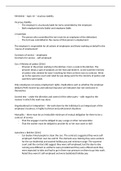
Vicarious liability
- The employer is vicariously liable for torts committed by the employee.
- Both employer(strictly liable) and employee liable
2 essentials
- The person who committed the tort must be an employee of the defendant.
- The tort was committed in the course of that person’s employment
The employer is responsible for all actions of employees and those working on behalf in the
‘course of employment’
Contracts of service – employees
Contracts for service – self-employed
Cox v Ministry of justice [2016]
- Prisoner in the prison working in the kitchen. Cox is a cook in the kitchen. The
prisoner drops a sack of potatoes on her foot and broke It, so she sued the ministry
of justice who claimed he wasn’t working for them as there was no contract. Went
up to the supreme court and ruled he was doing work for the ministry of justice and
said they were liable.
Only employees can enjoy employment rights. Implications such as whether the employer
deducts PAYE income tax and national insurance are indicators but not conclusive in
themselves
Control test – under the direction and control of the other party – with regard to the
manner in which the work was done
Organizational (or integration) – the work done by the individual is an integral part of the
employee's business, in highly technical and professional situations
Mutuality – there must be an irreducible minimum of mutual obligation for there to be a
contract of service
- That the engager must be obliged to pay a wage or other remuneration
- That the worker must be obliged to provide his or her own work or skill
Autoclenz v Belcher [2011[
- Car dealers hired people to clean the cars. The contracts suggested they were self-
employed. Paid their own tax and NI. The claimant was claiming they were workers
for the car dealership and wanted holiday pay and minimum wage. The supreme
court said the contract did suggest they were self-employed, but the day-to-day
running was different as uniforms were provided and they were offered work they
were expected to take and had to go in there was pressure on them to go into work.
Ruled they weren’t self-employed and were backdated holiday pay.
Vicarious liability
- The employer is vicariously liable for torts committed by the employee.
- Both employer(strictly liable) and employee liable
2 essentials
- The person who committed the tort must be an employee of the defendant.
- The tort was committed in the course of that person’s employment
The employer is responsible for all actions of employees and those working on behalf in the
‘course of employment’
Contracts of service – employees
Contracts for service – self-employed
Cox v Ministry of justice [2016]
- Prisoner in the prison working in the kitchen. Cox is a cook in the kitchen. The
prisoner drops a sack of potatoes on her foot and broke It, so she sued the ministry
of justice who claimed he wasn’t working for them as there was no contract. Went
up to the supreme court and ruled he was doing work for the ministry of justice and
said they were liable.
Only employees can enjoy employment rights. Implications such as whether the employer
deducts PAYE income tax and national insurance are indicators but not conclusive in
themselves
Control test – under the direction and control of the other party – with regard to the
manner in which the work was done
Organizational (or integration) – the work done by the individual is an integral part of the
employee's business, in highly technical and professional situations
Mutuality – there must be an irreducible minimum of mutual obligation for there to be a
contract of service
- That the engager must be obliged to pay a wage or other remuneration
- That the worker must be obliged to provide his or her own work or skill
Autoclenz v Belcher [2011[
- Car dealers hired people to clean the cars. The contracts suggested they were self-
employed. Paid their own tax and NI. The claimant was claiming they were workers
for the car dealership and wanted holiday pay and minimum wage. The supreme
court said the contract did suggest they were self-employed, but the day-to-day
running was different as uniforms were provided and they were offered work they
were expected to take and had to go in there was pressure on them to go into work.
Ruled they weren’t self-employed and were backdated holiday pay.