Accounting
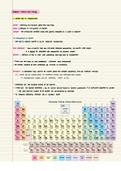
Summary of all lectures
Formula sheet
Radboud University Nijmegen
Yoël Guijt
, Lecture, Chapter 1
Accounting and business environment
Why is accounting so important?
> Measure transactions, information, etc. Information to stakeholders
> Financial (=extern, pro table? invest?) vs Managerial (=intern, budgets, pro t)
> Everything based on rules of the GAAP; not managerial accounting, may go without those
regels, is mainly intern
> Info is relevant and faithfully representative;
>> Shows what it relevant for the rm and stakeholders
Accounting Assumptions:
> Economic entity, Cost principle, Monetary unit, Going concern
Accounting Equation: Assets = Liabilities + Equity
> Always in balance
> Assets: item or property owned by a rm to make pro ts in the future
> Liabilities; debts to creditors
> Equity: Owner’s capital, shares (revenues and expenses)
Equity = Owners capital - withdrawals + revenues - expenses
Transactions: involves exchange of economic resources, measurable in Monetary Units
Financial statements:
> Income statement + Owners Equity statement + Balance sheet + Cash ow statement
Income statement: Revenues - Expenses = Net income
Owners Equity: Begin capital + net income - withdrawals = New Capital
Balance sheet: Assets = Liabilities + Equity
Cash ows: Operating = Receipts - Payments
Investing = PP&E, Notes
Financial = All nancials
ROA = Return on Assets Net income / Average total Assets
Lecture, Chapter 2
Recording Business Transactions
What is an account?
> Element on the balace sheet, like ‘inventory’ or ‘cash’
> Detailed display of changes due to transactions in accounts
Double-entry accounting:
> Transactie always has 2 e ects on the balance sheet and the accounting equation
T-account:
> Increase on the left side (debit, afname aan de rechterkant, credit)
> Except for ‘Equity Accounts’ = Other way around (capital)
fl fi ff fi fi fi = fi fi fl
, Trial Balance:
> Sum up for every T-account (Debit or Credit balance)
> Debit & Credit is now evenly divided, is di erent than the balance sheet !
Debt-Ratio = Debt Ratio = Total liabilities / Total Assets
(> how many assets nanced with liabilities?)
Lecture, Chapter 3
The Adjusting Process
Cash basis vs Accrual Basis Accounting:
> Cash basis: Revenue recorded when cash received, Expenses recorded when cash
paid, not allowed under GAAP
> Accrual basis: Revenue recorded when earned, Expenses recorded when incurred, used
Time Period Concept:
> Fiscal year is 12 months, is about a month/quarter/year
Revenue recognition principle:
> Revenues recorded when earned, Service or a product delivered = earned (otherwise unearned)
The matching principle:
> Expenses recorded when incurred
> Expenses and Revenues are matched with the right period (not when paid, but when incurred)
Adjusting Journal Entries:
> Prepaids and Accruals; prepaid expenses, prepaid revenues, accrued revenues, accrues
expenses —> assigned to the right period = adjusting
Depreciation:
> Long-lived and tangible assets are being used up over time, are used to produce revenues
Depreciation Expense vs Accumulated Depreciation:
> Accumulated depreciation on the balance sheet
> Accumulated is a contra asset (depreciation increases? Credit accumulated!)
Prepaid Expenses: Net income = Overstated & Expenses = Understated
Unearned Revenues: Net income = Understated & Revenues = Understated
Accrued Expenses: Net income = Overstated & Expenses = Understated
Accrued Revenues: Net income = Understated & Revenues = Understated
Lecture, Chapter 4
Completing the accounting cycle
Income Statement = Net income = Revenues - Expenses (incl. depreciation)
Owners Equity = New Capital = Begin capital - withdrawals + net income
Balance sheet = Assets = Liabilities + Equity (= adjusted balance)
ff fi
Summary of all lectures
Formula sheet
Radboud University Nijmegen
Yoël Guijt
, Lecture, Chapter 1
Accounting and business environment
Why is accounting so important?
> Measure transactions, information, etc. Information to stakeholders
> Financial (=extern, pro table? invest?) vs Managerial (=intern, budgets, pro t)
> Everything based on rules of the GAAP; not managerial accounting, may go without those
regels, is mainly intern
> Info is relevant and faithfully representative;
>> Shows what it relevant for the rm and stakeholders
Accounting Assumptions:
> Economic entity, Cost principle, Monetary unit, Going concern
Accounting Equation: Assets = Liabilities + Equity
> Always in balance
> Assets: item or property owned by a rm to make pro ts in the future
> Liabilities; debts to creditors
> Equity: Owner’s capital, shares (revenues and expenses)
Equity = Owners capital - withdrawals + revenues - expenses
Transactions: involves exchange of economic resources, measurable in Monetary Units
Financial statements:
> Income statement + Owners Equity statement + Balance sheet + Cash ow statement
Income statement: Revenues - Expenses = Net income
Owners Equity: Begin capital + net income - withdrawals = New Capital
Balance sheet: Assets = Liabilities + Equity
Cash ows: Operating = Receipts - Payments
Investing = PP&E, Notes
Financial = All nancials
ROA = Return on Assets Net income / Average total Assets
Lecture, Chapter 2
Recording Business Transactions
What is an account?
> Element on the balace sheet, like ‘inventory’ or ‘cash’
> Detailed display of changes due to transactions in accounts
Double-entry accounting:
> Transactie always has 2 e ects on the balance sheet and the accounting equation
T-account:
> Increase on the left side (debit, afname aan de rechterkant, credit)
> Except for ‘Equity Accounts’ = Other way around (capital)
fl fi ff fi fi fi = fi fi fl
, Trial Balance:
> Sum up for every T-account (Debit or Credit balance)
> Debit & Credit is now evenly divided, is di erent than the balance sheet !
Debt-Ratio = Debt Ratio = Total liabilities / Total Assets
(> how many assets nanced with liabilities?)
Lecture, Chapter 3
The Adjusting Process
Cash basis vs Accrual Basis Accounting:
> Cash basis: Revenue recorded when cash received, Expenses recorded when cash
paid, not allowed under GAAP
> Accrual basis: Revenue recorded when earned, Expenses recorded when incurred, used
Time Period Concept:
> Fiscal year is 12 months, is about a month/quarter/year
Revenue recognition principle:
> Revenues recorded when earned, Service or a product delivered = earned (otherwise unearned)
The matching principle:
> Expenses recorded when incurred
> Expenses and Revenues are matched with the right period (not when paid, but when incurred)
Adjusting Journal Entries:
> Prepaids and Accruals; prepaid expenses, prepaid revenues, accrued revenues, accrues
expenses —> assigned to the right period = adjusting
Depreciation:
> Long-lived and tangible assets are being used up over time, are used to produce revenues
Depreciation Expense vs Accumulated Depreciation:
> Accumulated depreciation on the balance sheet
> Accumulated is a contra asset (depreciation increases? Credit accumulated!)
Prepaid Expenses: Net income = Overstated & Expenses = Understated
Unearned Revenues: Net income = Understated & Revenues = Understated
Accrued Expenses: Net income = Overstated & Expenses = Understated
Accrued Revenues: Net income = Understated & Revenues = Understated
Lecture, Chapter 4
Completing the accounting cycle
Income Statement = Net income = Revenues - Expenses (incl. depreciation)
Owners Equity = New Capital = Begin capital - withdrawals + net income
Balance sheet = Assets = Liabilities + Equity (= adjusted balance)
ff fi