Chapter 19- Urinary Function Complete Solution Q&A 2023.
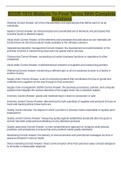
Origin: Chapter 19- Urinary Function, 1 1.A nurse develops a plan of care for a family with nursing diagnosis of Caregiver Role Strain related to urinary incontinence. Which of the following interventions is the highest priority? A) Administer diphenhydramine at bedtime. B) Assist the client to the bathroom prior to bedtime. C) Limit the fluid intake of the client to 1000 mL each day. D) Monitor bowels for diarrhea and constipation. Ans: B Feedback: Walking the client to the bathroom encourages voiding prior to bedtime. Urinary incontinence is a major factor that impacts placement in an institution. Fluid intake should be carefully timed and should be about 2,000 mL per day. Diphenhydramine relaxes bladder muscles, which can lead to urinary retention and incontinence. Origin: Chapter 19- Urinary Function, 2 2.A nurse presents at a conference regarding functional consequences related to urinary elimination. Which of the following statements should the nurse include? A) "Most older women will develop urinary incontinence by the age of 85." B) "Most older adults will experience hypertrophy and relaxation of muscles in the urinary tract and pelvic floor." C) "Excretion of penicillin and cimetidine are decreased in older adults." D) "Healthy older adults experience an increase in glomerular filtration rate." Ans: C Feedback: Age-related changes in kidney function can impact water-soluble medications that are highly dependent on the glomerular filtration rate. This would include digoxin, penicillin, aminoglycosides, and cimetidine. Origin: Chapter 19- Urinary Function, 3 3.A nurse assesses the urinary elimination of older adults. Which of the following actions by the nurse is most appropriate? A) Work to identify terms that the older adult comprehends. B) Wait until the person initiates a discussion of this embarrassing topic. C) Give the interview questions to the client in writing. D) Ask the older adult to keep a urination diary. Ans: A Feedback: Although nurses usually learn to discuss urinary elimination with relative ease, older adults may feel uncomfortable with the topic, especially if there are gender or age differences between the older person and the nurse. In addition, older adults may be reluctant to discuss urinary problems because they tend to accept urinary leakage as an inevitable consequence of aging and gradually increase their tolerance threshold.

Geschreven voor
- Instelling
- Florida State University
- Vak
- NURSING NUR 3286
Documentinformatie
- Geüpload op
- 30 december 2022
- Aantal pagina's
- 6
- Geschreven in
- 2022/2023
- Type
- Tentamen (uitwerkingen)
- Bevat
- Vragen en antwoorden
Onderwerpen
-
nursing nur 3286
-
chapter 19 urinary function