ASSIGNMENT 1 - CASE
Discrimination Risk in Using Social Media for Hiring
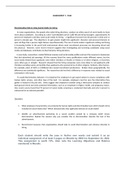
In many organizations, the people who make hiring decisions, conduct an online search of social media to learn
more about candidates. According to a 2017 CareerBuilder poll of 2,380 HR and hiring managers, approximately 70
percent of employers said they used social media for hiring – a significant increase from 60 percent in 2016 and 11
percent a decade ago. The objective is to gain greater insight into applicants’ character and personal interests to
spot red flags that a person might behave unprofessionally. The use of social media in applicants vetting and hiring
is increasing further in the post-Covid environment where most recruitment processes are becoming virtual and
less physical. However, some recent research suggests that investigating and screening candidates using social
media and databases contributes to discriminatory hiring decisions.
In one study, researchers created fictional resumes and social-media profiles and sent the resumes to businesses
that had advertised job openings. All the resumes listed the same qualifications under different names, but the
social media hinted those applicants were either Christian or Muslim or Hindus or of other religions, or that they
were either gay or straight. Research showed that the hiring companies were more likely to call applicants with
Christian-sounding names and profiles than applicants who seemed to be of other religions. Similarly, other factors,
for example, place of birth or childhood also caused recruitment preferences. Broken down geographically, the
difference was statistically significant. The researchers did not find a difference in response rates related to sexual
orientation in this study.
To avoid discriminatory behavior, it is important for employers to get expert advice to ensure compliance with
human rights, privacy, and other laws of the land. For example, employers must be sure the information they
gather is related to the job only. Some suggest that employers consider using a third-party company to conduct
back-ground check and omit protected information, such as an employee’s religion, health, and pregnancy status.
One recent survey found that 95 percent of social media screening is conducted internally and only 5 percent is
outsourced to an external specialist.
Questions
1. What employee characteristics are protected by human rights and discrimination laws which should not be
revealed on social media sites? Which characteristics may applicants disclose on social media?
2. Identify an advertisement pertaining to a vacant position posted by a company which shows
discrimination. Explain the reasons why you consider this as discrimination. Rewrite the text of the
advertisement.
3. Recommend measures that organizations should take to avoid discrimination and enhance diversity in
hiring.
Each student should write the case in his/her own words and submit it as an
individual assignment of at least 5 pages on Moodle by 2000 hrs September 24, 2022.
This assignment is worth 15%. Also note the Learning Objectives and Rubrics
mentioned in Moodle.
, PART I: Employee Characteristics
More and more people are embracing social media for multiple reasons: as a
means of communication to their families and friends (e.g., Facebook), as a platform in
expressing their views (e.g., Twitter), a channel to share their knowledge, interests, and
passion (e.g., Tiktok), and an online presence to showcase professional persona to work
colleagues, employers, and potential employers (e.g., LinkedIn). With the advent of
these social media platforms, employers are now leveraging on these social media
accounts to gather information and do a background check on the applicants for
screening purposes. However, there are several employee characteristics which should
not be asked among applicants to disclose on social media sites nor be used and
referred to by employers in screening and hiring employees. In Canada, employee
characteristics are strongly protected by human rights and discrimination laws, and it is
illegal to discriminate applicants and employees due to age, race, ancestry, place of
origin, color, ethnic origin, citizenship, creed or religious belief, disability, sex, sexual
orientation, marital status, family status, and record of offences (Ontario Human Rights
Commission, 2008). To better understand how these employee characteristics may be
used to discriminate someone and should not be required to reveal by applicants, the
following will explain each of the characteristics:
Age
Applicants and employees must not be treated less favorably for belonging to a
particular age or within a range of ages. For example, an applicant or employee is
considered qualified not because of he/she did not meet the age requirement of the
employer for a specific position. Some terms used by employers that can be age
discriminating are must: not be above 50 years old, elderly, young individual, and youth.
Race, Ancestry, Ethnic Origin, Place of Origin and Citizenship
Race and ancestry can be described as the skin color of an individual, nationality,
ethnicity, or national origins. For example, if the employer refers to white/black as skin
color, Chinese as nationality, Canadian Jews as ethnicity, or Filipino national origin with
Canadian passport as qualification or disqualification in the job requirement, then this is
also illegal and considered as discrimination.
Discrimination Risk in Using Social Media for Hiring
In many organizations, the people who make hiring decisions, conduct an online search of social media to learn
more about candidates. According to a 2017 CareerBuilder poll of 2,380 HR and hiring managers, approximately 70
percent of employers said they used social media for hiring – a significant increase from 60 percent in 2016 and 11
percent a decade ago. The objective is to gain greater insight into applicants’ character and personal interests to
spot red flags that a person might behave unprofessionally. The use of social media in applicants vetting and hiring
is increasing further in the post-Covid environment where most recruitment processes are becoming virtual and
less physical. However, some recent research suggests that investigating and screening candidates using social
media and databases contributes to discriminatory hiring decisions.
In one study, researchers created fictional resumes and social-media profiles and sent the resumes to businesses
that had advertised job openings. All the resumes listed the same qualifications under different names, but the
social media hinted those applicants were either Christian or Muslim or Hindus or of other religions, or that they
were either gay or straight. Research showed that the hiring companies were more likely to call applicants with
Christian-sounding names and profiles than applicants who seemed to be of other religions. Similarly, other factors,
for example, place of birth or childhood also caused recruitment preferences. Broken down geographically, the
difference was statistically significant. The researchers did not find a difference in response rates related to sexual
orientation in this study.
To avoid discriminatory behavior, it is important for employers to get expert advice to ensure compliance with
human rights, privacy, and other laws of the land. For example, employers must be sure the information they
gather is related to the job only. Some suggest that employers consider using a third-party company to conduct
back-ground check and omit protected information, such as an employee’s religion, health, and pregnancy status.
One recent survey found that 95 percent of social media screening is conducted internally and only 5 percent is
outsourced to an external specialist.
Questions
1. What employee characteristics are protected by human rights and discrimination laws which should not be
revealed on social media sites? Which characteristics may applicants disclose on social media?
2. Identify an advertisement pertaining to a vacant position posted by a company which shows
discrimination. Explain the reasons why you consider this as discrimination. Rewrite the text of the
advertisement.
3. Recommend measures that organizations should take to avoid discrimination and enhance diversity in
hiring.
Each student should write the case in his/her own words and submit it as an
individual assignment of at least 5 pages on Moodle by 2000 hrs September 24, 2022.
This assignment is worth 15%. Also note the Learning Objectives and Rubrics
mentioned in Moodle.
, PART I: Employee Characteristics
More and more people are embracing social media for multiple reasons: as a
means of communication to their families and friends (e.g., Facebook), as a platform in
expressing their views (e.g., Twitter), a channel to share their knowledge, interests, and
passion (e.g., Tiktok), and an online presence to showcase professional persona to work
colleagues, employers, and potential employers (e.g., LinkedIn). With the advent of
these social media platforms, employers are now leveraging on these social media
accounts to gather information and do a background check on the applicants for
screening purposes. However, there are several employee characteristics which should
not be asked among applicants to disclose on social media sites nor be used and
referred to by employers in screening and hiring employees. In Canada, employee
characteristics are strongly protected by human rights and discrimination laws, and it is
illegal to discriminate applicants and employees due to age, race, ancestry, place of
origin, color, ethnic origin, citizenship, creed or religious belief, disability, sex, sexual
orientation, marital status, family status, and record of offences (Ontario Human Rights
Commission, 2008). To better understand how these employee characteristics may be
used to discriminate someone and should not be required to reveal by applicants, the
following will explain each of the characteristics:
Age
Applicants and employees must not be treated less favorably for belonging to a
particular age or within a range of ages. For example, an applicant or employee is
considered qualified not because of he/she did not meet the age requirement of the
employer for a specific position. Some terms used by employers that can be age
discriminating are must: not be above 50 years old, elderly, young individual, and youth.
Race, Ancestry, Ethnic Origin, Place of Origin and Citizenship
Race and ancestry can be described as the skin color of an individual, nationality,
ethnicity, or national origins. For example, if the employer refers to white/black as skin
color, Chinese as nationality, Canadian Jews as ethnicity, or Filipino national origin with
Canadian passport as qualification or disqualification in the job requirement, then this is
also illegal and considered as discrimination.