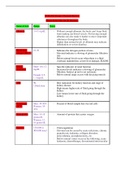
Peter Stolypin (1862 - 1911)
Duma
-April 1906 = Tsar asked Stolypin to become Prime Minister because
he was more conservative than Witte
- The Tsar insisted he take the post, after he refused
- He believed that a Duma could never work - “an assembly
representing the majority of the population would never work”
- Attempted to provide balance between land reforms and
suppressing radicals
Good Reform
- October 1906 = legislation which gave peasants the opportunity to
acquire land
- Agrarian reforms to improve legal and economic systems
- Welfare of peasants to ensure efficiency
- Gave greater freedom to peasants in electing members of the
Zemstva
Bad Reform - Personal conservatism + Russian nationalism
- 1907 Second Duma = excludes large numbers from voting
- New electoral law = excluded national minorities and have greater power to landowners and
nobility.
- His suppression led to Vyborg Manifesto
- CAUSE OF HIS REFORM = August 1906 attempted assassination of him and his family (his
children were injured)
- Instituted a new court system that made it easier to arrest/ convict political revolutionaries
- Hangman’s noose = ‘Stolypin’s necktie’
- The land reform was limited - by 1916 no more than 20% of peasant households had title to
their land (although his land tenure reform was seen as good, it was not successful)
Support
- created a great deal of conflict LED to political tensions in the Duma’s.
- provoked the radicals
- also the moderates when he dissolved the Duma’s (which ignored the October Manifesto).
- he alienated the extreme right by allowing some form of democracy through the Duma
- He gained support from the moderate right (Octobrists) in the Third Duma though.
- His unsuccessful agrarian reforms caused many peasants from a cross Russia to participate in
the 1917 Revolution
Assassination
- 1911 he was shot by a SR
- Nicholas II was with him when it happened
- He was blamed for a lot of the reforms
- The revolutionaries first targeted anger on Ministers of the government and then they turned to
the Tsar in the 1917 Revolution.
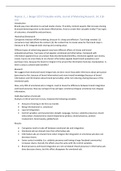
Duma
-April 1906 = Tsar asked Stolypin to become Prime Minister because
he was more conservative than Witte
- The Tsar insisted he take the post, after he refused
- He believed that a Duma could never work - “an assembly
representing the majority of the population would never work”
- Attempted to provide balance between land reforms and
suppressing radicals
Good Reform
- October 1906 = legislation which gave peasants the opportunity to
acquire land
- Agrarian reforms to improve legal and economic systems
- Welfare of peasants to ensure efficiency
- Gave greater freedom to peasants in electing members of the
Zemstva
Bad Reform - Personal conservatism + Russian nationalism
- 1907 Second Duma = excludes large numbers from voting
- New electoral law = excluded national minorities and have greater power to landowners and
nobility.
- His suppression led to Vyborg Manifesto
- CAUSE OF HIS REFORM = August 1906 attempted assassination of him and his family (his
children were injured)
- Instituted a new court system that made it easier to arrest/ convict political revolutionaries
- Hangman’s noose = ‘Stolypin’s necktie’
- The land reform was limited - by 1916 no more than 20% of peasant households had title to
their land (although his land tenure reform was seen as good, it was not successful)
Support
- created a great deal of conflict LED to political tensions in the Duma’s.
- provoked the radicals
- also the moderates when he dissolved the Duma’s (which ignored the October Manifesto).
- he alienated the extreme right by allowing some form of democracy through the Duma
- He gained support from the moderate right (Octobrists) in the Third Duma though.
- His unsuccessful agrarian reforms caused many peasants from a cross Russia to participate in
the 1917 Revolution
Assassination
- 1911 he was shot by a SR
- Nicholas II was with him when it happened
- He was blamed for a lot of the reforms
- The revolutionaries first targeted anger on Ministers of the government and then they turned to
the Tsar in the 1917 Revolution.