

Task 2 | Carmen van der Werf | 545079
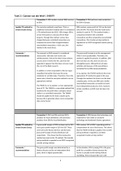
Transaction 1: SDD renders contract R&D services Transaction 2: DMI performs main production
to SDN. for SDN in Europe.
Applied TP method by The cost-plus method is used here. This is a SDN receives a gross profit of 15% on the total
Sweet Dreams Group traditional transaction method and it is considered sales of DMI. This shows that the resale-price
a TP method known by OECD. SDD charges SDN a method is used for TP. This method makes a
service fee based on costs plus 8% for R&D comparison between the controlled
projects. Through this method, service fees transactions and the comparative uncontrolled
charged between controlled transactions are transactions. This transfer pricing method is
compared to service fees charged between regarded as an OECD recognized transfer pricing
uncontrolled transactions. In this case, this method
method is the most direct.
Comments / The moment an R&D research is considered The gross profit margin is set by management,
recommendations unsuccessful, SDD does not receive any which is very questionable. Therefore, the
reimbursement. Only at the time it does achieve method is applied incorrectly. In addition, DMI
success does it receive the fee, and from the does not bear any risk, does not own any
appendix it appears that this does not even cover (intangible) assets. SDN performs all sales
the cost of the R&D research. activities and because of this everything is
accounted for by SDN except production.
In addition, it seems impossible to find an equal
unaudited transaction that uses the same In my opinion, the TNMM method is the most
standards for an R&D study. Therefore, this is the appropriate TP method to apply in this case.
reason why I think the cost-plus method is not an Through this method, the focus is on the least
appropriate method. complex party, in this case DMI and a similar
uncontrolled transaction can easily be found
The TNMM is, in my opinion, a more appropriate from independent producers. Here, however,
form of TP. The TNMM is a one-sided method that similar conditions as DMI must be taken into
examines the net profit that a company would account.
realize in a controlled transaction. The TNMM
should be applied to the least complex party
because this is generally where more comparable
data can be found.
Transaction 3: DSG and DSI purchase SDN's Transaction 4: SDN licenses the technology and
products for local distribution. DSF purchases trademark to SDU under an exclusive
products from SDN for local distribution. technology and trademark license agreement.
Applied TP method by A gross profit margin of 20% has been set for DSG SDN receives 25% of SDU's operating profit as
Sweet Dreams Group and a gross profit margin of 23% for DSF. These compensation for use of the license. This shows
were set by the finance director and the basic that the TNMM method is applied. This transfer
gross profit margin of Swiss Distributor Ltd pricing method is regarded as an OECD
respectively. This shows that the resale-price recognized transfer pricing method
method was used as the TP method. This transfer
pricing method is regarded as an OECD recognized
transfer pricing method.
Comments / The gross profit margin was determined by a In this situation, SDU is paying 25% of its gross
recommendations finance director and by an independent third profit for a worthless license because the
party, which is highly questionable. license is actually worth nothing without
marketing. This is because SDU can't sell
1
Transaction 1: SDD renders contract R&D services Transaction 2: DMI performs main production
to SDN. for SDN in Europe.
Applied TP method by The cost-plus method is used here. This is a SDN receives a gross profit of 15% on the total
Sweet Dreams Group traditional transaction method and it is considered sales of DMI. This shows that the resale-price
a TP method known by OECD. SDD charges SDN a method is used for TP. This method makes a
service fee based on costs plus 8% for R&D comparison between the controlled
projects. Through this method, service fees transactions and the comparative uncontrolled
charged between controlled transactions are transactions. This transfer pricing method is
compared to service fees charged between regarded as an OECD recognized transfer pricing
uncontrolled transactions. In this case, this method
method is the most direct.
Comments / The moment an R&D research is considered The gross profit margin is set by management,
recommendations unsuccessful, SDD does not receive any which is very questionable. Therefore, the
reimbursement. Only at the time it does achieve method is applied incorrectly. In addition, DMI
success does it receive the fee, and from the does not bear any risk, does not own any
appendix it appears that this does not even cover (intangible) assets. SDN performs all sales
the cost of the R&D research. activities and because of this everything is
accounted for by SDN except production.
In addition, it seems impossible to find an equal
unaudited transaction that uses the same In my opinion, the TNMM method is the most
standards for an R&D study. Therefore, this is the appropriate TP method to apply in this case.
reason why I think the cost-plus method is not an Through this method, the focus is on the least
appropriate method. complex party, in this case DMI and a similar
uncontrolled transaction can easily be found
The TNMM is, in my opinion, a more appropriate from independent producers. Here, however,
form of TP. The TNMM is a one-sided method that similar conditions as DMI must be taken into
examines the net profit that a company would account.
realize in a controlled transaction. The TNMM
should be applied to the least complex party
because this is generally where more comparable
data can be found.
Transaction 3: DSG and DSI purchase SDN's Transaction 4: SDN licenses the technology and
products for local distribution. DSF purchases trademark to SDU under an exclusive
products from SDN for local distribution. technology and trademark license agreement.
Applied TP method by A gross profit margin of 20% has been set for DSG SDN receives 25% of SDU's operating profit as
Sweet Dreams Group and a gross profit margin of 23% for DSF. These compensation for use of the license. This shows
were set by the finance director and the basic that the TNMM method is applied. This transfer
gross profit margin of Swiss Distributor Ltd pricing method is regarded as an OECD
respectively. This shows that the resale-price recognized transfer pricing method
method was used as the TP method. This transfer
pricing method is regarded as an OECD recognized
transfer pricing method.
Comments / The gross profit margin was determined by a In this situation, SDU is paying 25% of its gross
recommendations finance director and by an independent third profit for a worthless license because the
party, which is highly questionable. license is actually worth nothing without
marketing. This is because SDU can't sell
1



