Gastroenterol Disorder
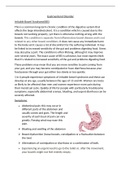
Irritable Bowel Syndrome(IBS)
This is a common long-term chronic condition of the digestive system that
affects the large intestine(colon). It is a condition which is caused due to the
bowels not working properly, yet there is otherwise nothing wrong with the
bowels. This condition is separate from inflammatory bowel disease and is not
related to any other bowel conditions. It does not cause any immediate harm
to the body yet it causes a lot of discomfort for the suffering individual. It may
be linked to increased sensitivity of the gut and problems digesting food. Stress
may also play a part. The condition is often lifelong, although it may improve
over several years. The exact cause of IBS is unknown, but most experts think
that it's related to increased sensitivity of the gut and problems digesting food.
These problems may mean that you are more sensitive to pain coming from
your gut, and you may become constipated or have diarrhoea because your
food passes through your gut either too slowly or too quickly.
1 in 6 people experience symptoms of irritable bowel syndrome and these can
develop at any age, usually between the ages of 15 and 40. Women are twice
as likely to be affected than men and women experience more pain during
their menstrual cycle. Quality of life for people with particularly troublesome
symptoms, especially abdominal cramps, bloating, and urgent diarrhoea can be
severely affected.
Symptoms
Abdominal pain; this may occur in
different parts of the abdomen and
usually comes and goes. The length and
severity of each bout of pain can vary
greatly. Passing wind may ease this
pain.
Bloating and swelling of the abdomen
Bowel dysfunction (loose bowels, constipation or a fluctuation between
the two)
Alternations of constipation or diarrhoea or a combination of both.
Experiencing an urgent need to go to the toilet or, after the movement,
your bowels might not feel entirely empty.
, Some other symptoms include:
Feeling sick
Bladder problems
Painful sex
Symptoms of IBS can be unpredictable and they tend to come and go with long
periods of no symptoms at all or only mild symptoms. However, the IBS can
flare up at any time causing the symptoms to become severe. IBS can cause
emotional distress and can cause a negative impact on an individual’s mental
health. Depression and anxiety are common in sufferers of IBS due to the
impact on their day to day lives. So treatment such as over the counter
medicines can often ease the discomfort of the symptoms when this occurs
and this can therefore improve the individual’s quality of life.
Some medications can be used to help ease the symptoms such as;
Constipation-a laxative can be used.
Bloating
Abdominal pain
Anti-depressants can be used to change the way pain is felt and psychological
therapies can also be very effective for some people with IBS to reduce stress
levels.
Treatment
There are four subtypes of IBS which is based on the consistency of your faeces
during a flare up and proper diagnosis is essential to get the correct treatment
for your symptoms at that time. There is an equal amount of people in each
sub type and most people alternate between them through their life.
Subtype of IBS Symptoms Treatments
IBS with constipation They may experience hard Imaging tests may
(IBS-C) faces and pain during have to be carried
exertion. This can occur out to rule out
more than 25 percent of anatomical
the time. Diarrhoea or abnormalities.
watery stools may occur encouraged to add
less than 25 percent of the more fibre to your
time. diet either by eating
Irritable Bowel Syndrome(IBS)
This is a common long-term chronic condition of the digestive system that
affects the large intestine(colon). It is a condition which is caused due to the
bowels not working properly, yet there is otherwise nothing wrong with the
bowels. This condition is separate from inflammatory bowel disease and is not
related to any other bowel conditions. It does not cause any immediate harm
to the body yet it causes a lot of discomfort for the suffering individual. It may
be linked to increased sensitivity of the gut and problems digesting food. Stress
may also play a part. The condition is often lifelong, although it may improve
over several years. The exact cause of IBS is unknown, but most experts think
that it's related to increased sensitivity of the gut and problems digesting food.
These problems may mean that you are more sensitive to pain coming from
your gut, and you may become constipated or have diarrhoea because your
food passes through your gut either too slowly or too quickly.
1 in 6 people experience symptoms of irritable bowel syndrome and these can
develop at any age, usually between the ages of 15 and 40. Women are twice
as likely to be affected than men and women experience more pain during
their menstrual cycle. Quality of life for people with particularly troublesome
symptoms, especially abdominal cramps, bloating, and urgent diarrhoea can be
severely affected.
Symptoms
Abdominal pain; this may occur in
different parts of the abdomen and
usually comes and goes. The length and
severity of each bout of pain can vary
greatly. Passing wind may ease this
pain.
Bloating and swelling of the abdomen
Bowel dysfunction (loose bowels, constipation or a fluctuation between
the two)
Alternations of constipation or diarrhoea or a combination of both.
Experiencing an urgent need to go to the toilet or, after the movement,
your bowels might not feel entirely empty.
, Some other symptoms include:
Feeling sick
Bladder problems
Painful sex
Symptoms of IBS can be unpredictable and they tend to come and go with long
periods of no symptoms at all or only mild symptoms. However, the IBS can
flare up at any time causing the symptoms to become severe. IBS can cause
emotional distress and can cause a negative impact on an individual’s mental
health. Depression and anxiety are common in sufferers of IBS due to the
impact on their day to day lives. So treatment such as over the counter
medicines can often ease the discomfort of the symptoms when this occurs
and this can therefore improve the individual’s quality of life.
Some medications can be used to help ease the symptoms such as;
Constipation-a laxative can be used.
Bloating
Abdominal pain
Anti-depressants can be used to change the way pain is felt and psychological
therapies can also be very effective for some people with IBS to reduce stress
levels.
Treatment
There are four subtypes of IBS which is based on the consistency of your faeces
during a flare up and proper diagnosis is essential to get the correct treatment
for your symptoms at that time. There is an equal amount of people in each
sub type and most people alternate between them through their life.
Subtype of IBS Symptoms Treatments
IBS with constipation They may experience hard Imaging tests may
(IBS-C) faces and pain during have to be carried
exertion. This can occur out to rule out
more than 25 percent of anatomical
the time. Diarrhoea or abnormalities.
watery stools may occur encouraged to add
less than 25 percent of the more fibre to your
time. diet either by eating