ADVANCED ACCOUNTING
AND INTERNATIONAL
FINANCIAL STATEMENTS
2021-2021
Professor Veronique Weets
,Table of content
PART 0: Introduction ....................................................................................................................................................1
1. Review basic techniques...................................................................................................................................1
PART 1: Introduction to international financial reporting CHAPTER 1: International financial reporting ...................3
1. Background .......................................................................................................................................................3
2. Attempts to harmonize financial reporting ......................................................................................................5
3. Conclusion ........................................................................................................................................................6
PART 1: Introduction to international financial reporting CHAPTER 2: The standards of the IASB .............................7
1. The IASB and its IFRS ........................................................................................................................................7
2. Application of IFRS ............................................................................................................................................8
3. Note on terminology ........................................................................................................................................9
4. Conclusion ........................................................................................................................................................9
PART 1: Group work ...................................................................................................................................................10
Assignment 1 ..........................................................................................................................................................10
Assignment 2 ..........................................................................................................................................................10
Assignment 3 ..........................................................................................................................................................11
Assignment 4 ..........................................................................................................................................................12
PART 2: Basic IFRS principles CHAPTER 1: Conceptual framework for financial reporting .......................................13
1. What is the conceptual framework and what is its role in financial reporting? ............................................13
2. CH1: The objective of general purpose financial reporting ............................................................................14
3. CH2: Qualitative characteristics of useful information ..................................................................................15
4. Ch3: Financial statements and the reporting entity .......................................................................................16
5. Ch4: The elements of financial statements ....................................................................................................16
6. Ch5: Recognition and derecognition ..............................................................................................................17
7. CH6: Measurement.........................................................................................................................................17
8. CH7: Presentation and disclosure...................................................................................................................18
9. Key learning points .........................................................................................................................................19
PART 2: Basic IFRS principles CHAPTER 2: Presentation of financial statements (IAS 1) ...........................................20
1. Content of financial statements .....................................................................................................................20
2. Key learning points .........................................................................................................................................23
3. Suggestion of items to review in FS of Club Brugge .......................................................................................23
PART 2: Basic IFRS principles CHAPTER 3: Accounting policies (IAS 8) .......................................................................24
1. Accounting policies and changes in accounting policies ................................................................................24
2. Accounting estimates and changes in accounting estimates .........................................................................25
3. Errors and correction of material errors ........................................................................................................25
4. Key learning points .........................................................................................................................................25
5. Quiz - Retrospective or prospective application?...........................................................................................26
, 6. Ideas to review the FS of Club Brugge ............................................................................................................26
PART 2: Groupwork ....................................................................................................................................................27
Introduction: formats to be used ...........................................................................................................................27
Assignment 1: Framework ......................................................................................................................................28
Assignment 2: IAS 1 ................................................................................................................................................32
Assignment 3: IAS 1 ................................................................................................................................................32
Assignment 4: IAS 8 ................................................................................................................................................36
Assignment 5: IAS 8 ................................................................................................................................................36
Assignment 6: IAS 8 ................................................................................................................................................38
PART 3: Inventories and revenue recognition CHAPTER 1: Inventories (IAS 2) .........................................................41
1. Definition ........................................................................................................................................................41
2. Measurement .................................................................................................................................................41
3. Recognition as expense ..................................................................................................................................41
4. Suggested items to review FS of Club Brugge ................................................................................................41
PART 3: Inventories and revenue recognition CHAPTER 2: Revenue from contracts with customers (IFRS 15) .......42
1. Background .....................................................................................................................................................42
2. Objective and scope .......................................................................................................................................42
3. Core principle..................................................................................................................................................42
4. Five step model...............................................................................................................................................43
5. Sample exam questions ..................................................................................................................................53
6. Suggestion of items to review in FS Club Brugge ...........................................................................................54
PART 4: Non-financial liabilities CHAPTER 1: Provisions (IAS 37) ...............................................................................55
1. Objective and scope .......................................................................................................................................55
2. Definitions and recognition ............................................................................................................................55
3. Measurement .................................................................................................................................................56
4. Specific applications .......................................................................................................................................56
5. Suggestion of items to review in FS Club Brugge ...........................................................................................56
PART 5: Accounting for fixed assets CHAPTER 1: Property, plant and equipment (IAS 16) .......................................57
1. Scope of IAS 16 ...............................................................................................................................................57
2. Definitions.......................................................................................................................................................57
3. Recognition .....................................................................................................................................................59
4. Measurement .................................................................................................................................................59
5. Derecognition .................................................................................................................................................61
6. Suggestion of items to review in FS Club Brugge ...........................................................................................61
PART 5: Accounting for fixed assets CHAPTER 2: Intangible assets (IAS 38) ..............................................................62
1. Definition ........................................................................................................................................................62
2. Recognition .....................................................................................................................................................62
, 3. Measurement .................................................................................................................................................65
4. Suggestion of items to review in FS Club Brugge ...........................................................................................66
PART 5: Accounting for fixed assets CHAPTER 3: Impairment of assets (IAS 36) .......................................................67
1. Scope ..............................................................................................................................................................67
2. Definitions.......................................................................................................................................................67
3. Identifying impaired assets.............................................................................................................................67
4. Recognition and measurement of impairment loss .......................................................................................68
5. Cash generating units (CGU) ...........................................................................................................................68
6. Reversing an impairment loss.........................................................................................................................70
7. Suggestion of items to review in FS Club Brugge ...........................................................................................70
Part 4-5: Key learning points and group work ............................................................................................................71
1. Key learning points of part 4 ..........................................................................................................................71
2. Key learning points of part 5 ..........................................................................................................................72
3. Groupwork ......................................................................................................................................................76
Part 6: Transactions and events leading to both assets and liabilities Chapter 1: Leasing (IFRS 16) .........................78
1. Video ...............................................................................................................................................................78
2. Definitions.......................................................................................................................................................81
3. Accounting by lessees .....................................................................................................................................83
4. Accounting by lessors .....................................................................................................................................87
5. Suggestion of items to review in FS Club Brugge ...........................................................................................89
Part 7: Financial instruments (IAS 32; IFRS 9) .............................................................................................................90
1. Relevant standards .........................................................................................................................................90
2. Definitions.......................................................................................................................................................90
3. Classification of financial instruments (FI)......................................................................................................92
4. Measurement of financial instruments ..........................................................................................................96
5. Presentation of financial instruments ............................................................................................................96
6. Conclusion ......................................................................................................................................................99
7. Introduction to accounting for financial instruments ....................................................................................99
8. Example exam question..................................................................................................................................99
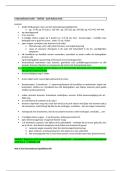
, PART 0: Introduction
1. Review basic techniques
Basic accounting
− Link between statement of financial position (also called balance sheet) and income statement.
− Content of reserves and retained earnings.
− Journal entries for all common transactions (depreciation, changes in inventory, sale of goods, purchase of
merchandise) including year end transactions (deferred and accrued income and costs, distribution of profit,
taxes…).
− Any basic accounting book (in any language) is ok to revise basic principles of bookkeeping.
Pro rata allocation (proportionate allocation, regel van 3)
Pro rate refers to a proportional allocation. In accounting this means the allocation of revenues, expenses, assets,
liabilities, or other items among participants, products, entities based on each participant’s, product’s, entity’s
proportional share of the whole.
Example: billing
A customer prepays for services not yet provided in the amount of $900, and then cancels service 10 days into the
30-day service period. Fees paid for services that are not delivered are returned to the customer.
How much revenue was earned by the seller, how much of the prepayment should be returned?
→ The seller calculates the amount it has earned as 10 service days divided by the 30-day service period, or
$300, and returns the remaining $600 to the customer. This is a pro rata distribution based on the passage of
time.
Example: cost accounting
A company uses a standard costing system to account for its inventory and has an unfavourable variance of
$100,000 that it must allocate between the cost of goods sold and ending inventory.
There is $200,000 of ending inventory, and there were $800,000 of cost of goods sold during the period.
How much of the unfavourable variance is allocated to the cost of goods sold and how much to the ending
inventory?
→ This is a pro rata distribution based on recorded cost.
Example
A telecom company sells a telephone together with data services for CU100. The telephone is sold separately for
CU 60, the data services are sold separately for CU50. IFRS 15 requires allocation of the total selling price based
on stand-alone selling prices.
How much of the CU 100 is allocated to the telephone? How much to the data services?
1
Advanced accounting: Part 0
AND INTERNATIONAL
FINANCIAL STATEMENTS
2021-2021
Professor Veronique Weets
,Table of content
PART 0: Introduction ....................................................................................................................................................1
1. Review basic techniques...................................................................................................................................1
PART 1: Introduction to international financial reporting CHAPTER 1: International financial reporting ...................3
1. Background .......................................................................................................................................................3
2. Attempts to harmonize financial reporting ......................................................................................................5
3. Conclusion ........................................................................................................................................................6
PART 1: Introduction to international financial reporting CHAPTER 2: The standards of the IASB .............................7
1. The IASB and its IFRS ........................................................................................................................................7
2. Application of IFRS ............................................................................................................................................8
3. Note on terminology ........................................................................................................................................9
4. Conclusion ........................................................................................................................................................9
PART 1: Group work ...................................................................................................................................................10
Assignment 1 ..........................................................................................................................................................10
Assignment 2 ..........................................................................................................................................................10
Assignment 3 ..........................................................................................................................................................11
Assignment 4 ..........................................................................................................................................................12
PART 2: Basic IFRS principles CHAPTER 1: Conceptual framework for financial reporting .......................................13
1. What is the conceptual framework and what is its role in financial reporting? ............................................13
2. CH1: The objective of general purpose financial reporting ............................................................................14
3. CH2: Qualitative characteristics of useful information ..................................................................................15
4. Ch3: Financial statements and the reporting entity .......................................................................................16
5. Ch4: The elements of financial statements ....................................................................................................16
6. Ch5: Recognition and derecognition ..............................................................................................................17
7. CH6: Measurement.........................................................................................................................................17
8. CH7: Presentation and disclosure...................................................................................................................18
9. Key learning points .........................................................................................................................................19
PART 2: Basic IFRS principles CHAPTER 2: Presentation of financial statements (IAS 1) ...........................................20
1. Content of financial statements .....................................................................................................................20
2. Key learning points .........................................................................................................................................23
3. Suggestion of items to review in FS of Club Brugge .......................................................................................23
PART 2: Basic IFRS principles CHAPTER 3: Accounting policies (IAS 8) .......................................................................24
1. Accounting policies and changes in accounting policies ................................................................................24
2. Accounting estimates and changes in accounting estimates .........................................................................25
3. Errors and correction of material errors ........................................................................................................25
4. Key learning points .........................................................................................................................................25
5. Quiz - Retrospective or prospective application?...........................................................................................26
, 6. Ideas to review the FS of Club Brugge ............................................................................................................26
PART 2: Groupwork ....................................................................................................................................................27
Introduction: formats to be used ...........................................................................................................................27
Assignment 1: Framework ......................................................................................................................................28
Assignment 2: IAS 1 ................................................................................................................................................32
Assignment 3: IAS 1 ................................................................................................................................................32
Assignment 4: IAS 8 ................................................................................................................................................36
Assignment 5: IAS 8 ................................................................................................................................................36
Assignment 6: IAS 8 ................................................................................................................................................38
PART 3: Inventories and revenue recognition CHAPTER 1: Inventories (IAS 2) .........................................................41
1. Definition ........................................................................................................................................................41
2. Measurement .................................................................................................................................................41
3. Recognition as expense ..................................................................................................................................41
4. Suggested items to review FS of Club Brugge ................................................................................................41
PART 3: Inventories and revenue recognition CHAPTER 2: Revenue from contracts with customers (IFRS 15) .......42
1. Background .....................................................................................................................................................42
2. Objective and scope .......................................................................................................................................42
3. Core principle..................................................................................................................................................42
4. Five step model...............................................................................................................................................43
5. Sample exam questions ..................................................................................................................................53
6. Suggestion of items to review in FS Club Brugge ...........................................................................................54
PART 4: Non-financial liabilities CHAPTER 1: Provisions (IAS 37) ...............................................................................55
1. Objective and scope .......................................................................................................................................55
2. Definitions and recognition ............................................................................................................................55
3. Measurement .................................................................................................................................................56
4. Specific applications .......................................................................................................................................56
5. Suggestion of items to review in FS Club Brugge ...........................................................................................56
PART 5: Accounting for fixed assets CHAPTER 1: Property, plant and equipment (IAS 16) .......................................57
1. Scope of IAS 16 ...............................................................................................................................................57
2. Definitions.......................................................................................................................................................57
3. Recognition .....................................................................................................................................................59
4. Measurement .................................................................................................................................................59
5. Derecognition .................................................................................................................................................61
6. Suggestion of items to review in FS Club Brugge ...........................................................................................61
PART 5: Accounting for fixed assets CHAPTER 2: Intangible assets (IAS 38) ..............................................................62
1. Definition ........................................................................................................................................................62
2. Recognition .....................................................................................................................................................62
, 3. Measurement .................................................................................................................................................65
4. Suggestion of items to review in FS Club Brugge ...........................................................................................66
PART 5: Accounting for fixed assets CHAPTER 3: Impairment of assets (IAS 36) .......................................................67
1. Scope ..............................................................................................................................................................67
2. Definitions.......................................................................................................................................................67
3. Identifying impaired assets.............................................................................................................................67
4. Recognition and measurement of impairment loss .......................................................................................68
5. Cash generating units (CGU) ...........................................................................................................................68
6. Reversing an impairment loss.........................................................................................................................70
7. Suggestion of items to review in FS Club Brugge ...........................................................................................70
Part 4-5: Key learning points and group work ............................................................................................................71
1. Key learning points of part 4 ..........................................................................................................................71
2. Key learning points of part 5 ..........................................................................................................................72
3. Groupwork ......................................................................................................................................................76
Part 6: Transactions and events leading to both assets and liabilities Chapter 1: Leasing (IFRS 16) .........................78
1. Video ...............................................................................................................................................................78
2. Definitions.......................................................................................................................................................81
3. Accounting by lessees .....................................................................................................................................83
4. Accounting by lessors .....................................................................................................................................87
5. Suggestion of items to review in FS Club Brugge ...........................................................................................89
Part 7: Financial instruments (IAS 32; IFRS 9) .............................................................................................................90
1. Relevant standards .........................................................................................................................................90
2. Definitions.......................................................................................................................................................90
3. Classification of financial instruments (FI)......................................................................................................92
4. Measurement of financial instruments ..........................................................................................................96
5. Presentation of financial instruments ............................................................................................................96
6. Conclusion ......................................................................................................................................................99
7. Introduction to accounting for financial instruments ....................................................................................99
8. Example exam question..................................................................................................................................99
, PART 0: Introduction
1. Review basic techniques
Basic accounting
− Link between statement of financial position (also called balance sheet) and income statement.
− Content of reserves and retained earnings.
− Journal entries for all common transactions (depreciation, changes in inventory, sale of goods, purchase of
merchandise) including year end transactions (deferred and accrued income and costs, distribution of profit,
taxes…).
− Any basic accounting book (in any language) is ok to revise basic principles of bookkeeping.
Pro rata allocation (proportionate allocation, regel van 3)
Pro rate refers to a proportional allocation. In accounting this means the allocation of revenues, expenses, assets,
liabilities, or other items among participants, products, entities based on each participant’s, product’s, entity’s
proportional share of the whole.
Example: billing
A customer prepays for services not yet provided in the amount of $900, and then cancels service 10 days into the
30-day service period. Fees paid for services that are not delivered are returned to the customer.
How much revenue was earned by the seller, how much of the prepayment should be returned?
→ The seller calculates the amount it has earned as 10 service days divided by the 30-day service period, or
$300, and returns the remaining $600 to the customer. This is a pro rata distribution based on the passage of
time.
Example: cost accounting
A company uses a standard costing system to account for its inventory and has an unfavourable variance of
$100,000 that it must allocate between the cost of goods sold and ending inventory.
There is $200,000 of ending inventory, and there were $800,000 of cost of goods sold during the period.
How much of the unfavourable variance is allocated to the cost of goods sold and how much to the ending
inventory?
→ This is a pro rata distribution based on recorded cost.
Example
A telecom company sells a telephone together with data services for CU100. The telephone is sold separately for
CU 60, the data services are sold separately for CU50. IFRS 15 requires allocation of the total selling price based
on stand-alone selling prices.
How much of the CU 100 is allocated to the telephone? How much to the data services?
1
Advanced accounting: Part 0