100% tevredenheidsgarantie Direct beschikbaar na je betaling Lees online óf als PDF Geen vaste maandelijkse kosten 4.2 TrustPilot
logo-home
Tentamen (uitwerkingen)

NUR_699__EBPP_Section_D

Beoordeling
-
Verkocht
-
Pagina's
4
Cijfer
A+
Geüpload op
11-03-2022
Geschreven in
2021/2022

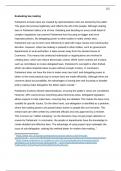
Evidence-Based Practice Proposal: Section D Jaime Watson Grand Canyon University Evidence-Based Practice NUR/699 April 26, 2017 Prof. Felicia Crump Evidence-Based Practice Proposal: Section D Research utilization provides structure for clinical staffs to research, analyze, design, plan, implement, and evaluate clinical practice change based on evidence. This proposal identifies a clinical problem and offers a solution, related evidence, and a clinical-driven plan to improve current St. Vincent’s Hospital (SVH) sepsis prevalence and resulting patient outcomes using a process for evidence-based practice (EBP) changes. This proposal targets SVH nursing leadership, quality committee, practice change leadership, clinical care teams, and clinical support staff as stakeholders for formal approval. Problem Solution Research reported since SSC 2008 provides insight into evidence supportive of improving sepsis prevalence using early recognition and rapid treatment protocols. Dellinger, et al. (2012) presented a This study source was downloaded by from CourseH on :18:28 GMT -05:00 This study resource was shared via CourseH EVIDENCE-BASED PRACTICE PROPOSAL: SECTION D 2 study of findings from the international clinical response to SSC 2008 guidelines and resulting outcomes. These reactions led the SSC 2012 international clinical body to present additional new evidence as practice guidelines supportive of improving stubborn prevalence rates. Solution Description Early detection reduces the incidence of critically ill patients converting to sepsis (Dellinger et al., 2012). Dellinger et al. (2012) noted rapid intervention proves beneficial in treating critically ill patients with sepsis detected early decreasing residual symptoms. As a solution for managing sepsis events and reducing sepsis prevalence, this project proposes restating existing SVH sepsis practice guidelines to include EBP recommendations found within SSC 2012. Aligned with these guidelines and included as a solution component, this project proposes the development of a non-electronic, portable CDSS using the same early recognition function found in the current SVH ICU electronic version to drive timely interventions. Methods to Achieve Outcomes An early recognition CDSS provides a tool to assist nursing staff in the early recognition of new or suspected infection and rapid intervention practice bundles to lead nurses through a three-hour and six-hour systematic sequence of care. This care sequence will include early recognition, blood lab draw, evaluation of lab values, antibiotics with one hour of symptom presentation, and goal-directed fluid resuscitation evaluated at three and six hours post intervention (Dellinger et al., 2012). SSC 2012 guidelines will direct staff in the design and development of the CDSS and the mechanisms used for measuring and reporting, and sustaining outcomes. Organization Culture: Consistency with Research Using appropriate assessment tools is critical in assessing the patient’s current health status when diagnosing and treating one for sepsis. Research presented as SSC 2012 guidelines call for widespread adoption of practice change to include early detection protocols, sepsis screening, and rapid treatment intervention to influence hydration, blood sugar control, and antibiotic therapy (Hall, Williams, DeFrances, & Golosinskiy, 2011). Hall et al. (2011) reported the implementation of SSC 2012 guidelines indicates "potential" (p. 5) for decreasing hospital prevalence and related mortality using SSC 2012 tools for early recognition. The additional study indicates a practice change using SSC 2012 rapid intervention bundles directs care teams to use uniform treatment protocols leading to decreased illness during hospitalization and a reduction in readmission (Kuehn, 2013). Solution Feasibility of Outcomes SVH’s core values of quality and excellence have helped to initiate the use of the SSC 2012 This study source was downloaded by from CourseH on :18:28 GMT -05:00 This study resource was shared via CourseH EVIDENCE-BASED PRACTICE PROPOSAL: SECTION D 3 guidelines at SVH. Implementing SSC 2012 guidelines aligns with SVH quality and safety initiatives targeted for 2017. These initiatives call for a 10% reduction in hospital-acquired bloodstream infections by yearend 2017 (St. Vincent’s Hospital, 2013). The support of the organization to provide employees the opportunity to attend educational inservices will support current improvement initiatives to decrease the percentage of cases undertreated or mistreated for sepsis at SVH. The leadership team has identified the need for standardized sepsis-related protocols and the resources needed to develop, implement and evaluate the outcome of the project. Budgeted the fiscal year 2012 nurse meeting and education hours exist to support development and implementation of best practice bundles. The implementation of the project does not require additional staff or equipment. There are no financial obstacles identified as the members of the committee perform their respective task on their regular scheduled days to work or on their mandatory pre-scheduled annual competency in-service. Education and training expenses related to SSC 2012 will not challenge this budget. All resources are in place including the educational resources needed for training. The educational materials were obtained from the Clinical Nurse Educator of both the ED and ICU. SVH system-wide bloodstream infection policy and sepsis practice guidelines are due for review and revision by October 2013, timely for inserting SSC 2012 guidelines. Medications identified for rapid intervention within SSC 2012 bundles already exist in SVH’s pharmacy formulary and dispensing functionality. Feasibility and opportunity align when considering the implementation of SSC 2012 guidelines as a solution for reducing SVH sepsis prevalence. Outcome Impact Sepsis remains a persistent condition acquired during hospitalization among critically ill patients. Sepsis prevalence continues to influence mortality and cost trends within SVH. Collaboration within the international medical community in presenting SSC 2012 clinical guidelines provides an appropriate method to fortify existing SVH policy and procedure in the care of critically ill patients. A Recent study highlights the benefits of implementing SSC 2012 early sepsis recognition tools and rapid intervention bundles. Nursing administration will monitor all feedback and patient satisfaction surveys to observe for changes or trends. Raised awareness among SVH leaders to set and meet clinical expectation in reducing patient harm and mortality elevates the significance of proactive implementation of SSC 2012 as an evidence-based solution to correct hospital acquired sepsis performance. If the education brings a positive change to the organization; improves nursing knowledge and assessment and improved patient quality and satisfaction This study source was downloaded by from CourseH on :18:28 GMT -05:00 This study resource was shared via CourseH EVIDENCE-BASED PRACTICE PROPOSAL: SECTION D 4 scores, then the educational program can be expanded for the entire organization. References Dellinger, R. P., Levy, M. M., Rhodes, A., Annane, D., Gerlach, H., Opal, S. M., et al. (2013). Surviving Sepsis Campaign: International guidelines for the management of severe sepsis and septic shock: 2012. Critical Care Medicine, 41(2), 580-637. doi: 1097/CCM.0b013ee83af Hall, M. J., Williams S. N., DeFrances, C. J., & Golosinskiy A. (2011). Inpatient care for septicemia or sepsis: A challenge for patients and hospitals. National Center for Health Statistics Data Brief, 62. Retrieved from Kuehn, B. M. (2013). Guideline promotes early, aggressive sepsis treatment to boost survival. JAMA, 309(10), 969-970. doi:10.1001/jama.2013.1295 St. Vincents Hospital. (2013, June). State report of sepsis indicators: May 2013. (Quality Committee Report). Portland, OR: Author This study source was downloaded by from CourseH on :18:28 GMT -05:00

Meer zien Lees minder
Instelling
Vak


Oeps! We kunnen je document nu niet laden. Probeer het nog eens of neem contact op met support.

Geschreven voor

Vak

Documentinformatie

Geüpload op
11 maart 2022
Aantal pagina's
4
Geschreven in
2021/2022
Type
Tentamen (uitwerkingen)
Bevat
Vragen en antwoorden

Onderwerpen

Voorbeeld van de inhoud

Running head: EVIDENCE-BASED PRACTICE PROPOSAL: SECTION D 1


Evidence-Based Practice Proposal: Section D
Jaime Watson

Grand Canyon University
Evidence-Based Practice


m
er as
NUR/699


co
April 26, 2017


eH w
Prof. Felicia Crump


o.
rs e
ou urc
o
aC s
vi y re
ed d


Evidence-Based Practice Proposal: Section D
Research utilization provides structure for clinical staffs to research, analyze, design, plan,
ar stu


implement, and evaluate clinical practice change based on evidence. This proposal identifies a clinical
is


problem and offers a solution, related evidence, and a clinical-driven plan to improve current St. Vincent’s
Th


Hospital (SVH) sepsis prevalence and resulting patient outcomes using a process for evidence-based

practice (EBP) changes. This proposal targets SVH nursing leadership, quality committee, practice
sh


change leadership, clinical care teams, and clinical support staff as stakeholders for formal approval.
Problem Solution
Research reported since SSC 2008 provides insight into evidence supportive of improving sepsis

prevalence using early recognition and rapid treatment protocols. Dellinger, et al. (2012) presented a


This study source was downloaded by 100000796901680 from CourseHero.com on 03-29-2021 20:18:28 GMT -05:00


https://www.coursehero.com/file/32350227/2-monkey-NUR-699-EBPP-Section-D-editeddocx/

Maak kennis met de verkoper

Seller avatar
De reputatie van een verkoper is gebaseerd op het aantal documenten dat iemand tegen betaling verkocht heeft en de beoordelingen die voor die items ontvangen zijn. Er zijn drie niveau’s te onderscheiden: brons, zilver en goud. Hoe beter de reputatie, hoe meer de kwaliteit van zijn of haar werk te vertrouwen is.
EvaTee Phoenix University
Volgen Je moet ingelogd zijn om studenten of vakken te kunnen volgen
Verkocht
4990
Lid sinds
4 jaar
Aantal volgers
3555
Documenten
51297
Laatst verkocht
2 dagen geleden
TIGHT DEADLINE? I CAN HELP

Many students don\'t have the time to work on their academic papers due to balancing with other responsibilities, for example, part-time work. I can relate. kindly don\'t hesitate to contact me, my study guides, notes and exams or test banks, are 100% graded

3,9

909 beoordelingen

5
435
4
160
3
165
2
45
1
104

Recent door jou bekeken

Waarom studenten kiezen voor Stuvia

Gemaakt door medestudenten, geverifieerd door reviews

Kwaliteit die je kunt vertrouwen: geschreven door studenten die slaagden en beoordeeld door anderen die dit document gebruikten.

Niet tevreden? Kies een ander document

Geen zorgen! Je kunt voor hetzelfde geld direct een ander document kiezen dat beter past bij wat je zoekt.

Betaal zoals je wilt, start meteen met leren

Geen abonnement, geen verplichtingen. Betaal zoals je gewend bent via iDeal of creditcard en download je PDF-document meteen.

Student with book image

“Gekocht, gedownload en geslaagd. Zo makkelijk kan het dus zijn.”

Alisha Student

Veelgestelde vragen