GNUR 294 FINAL Nursing Applications
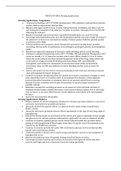
Nursing Applications: Coagulation
Evaluate lab findings (aPTT, PT/INR, bleeding time), CBC, platelets, renal and liver function
studies, ABGs as appropriate, lipid profiles.
Monitor vital signs and ECG every 15 mins during first hour of infusion, and then every 30
min during the remainder of the infusion. Continue to monitor vital signs 1h for the first 8h
following the infusion
Monitor neurologic status frequently, especially if thrombolytics are used for stroke
Encourage early ambulation post-op in the hospitalized patient and active range of motion if
the patient is on bed rest or has limited mobility. Perform passive ROM for patients unable
to perform active ROM
Educate patients and consumers about thrombosis prevention during travel: periodic
stretching, short periods of ambulation, avoid sitting for prolonged periods, increasing fluid
intake
Monitor for signs and symptoms of excessive visible bleeding and for occult bleeding
Continue to monitor frequent lab tests (aPTT, PT/INR), CBC and platelets. Therapeutic aPTT
levels are usually 1.5-2.5 times the normal control value. INR is usually 2-3.5 or 4. Values
below the norm indicate less than optimal therapeutic levels of the drug; values above the
norm indicate a high potential of bleeding and hemorrhage. CBC, especially RBC,
hemoglobin, and hematocrit and platelet levels should remain within normal limits.
Decreasing values on CBC may indicate excessive bleeding and the need to assess for
location.
Instruct the patient on the need to return periodically for lab work and alert lab personnel
that anticoagulant therapy is being use
Continue to monitor peripheral pulses for quality and volume, complaints of angina or chest
pain, especially if new or of sudden onset or accompanied by dyspnea. (Anticoagulants
prevent thrombus formation or extension; they do not prevent emboli from occurring.
Monitor for new or sudden onset of pain in necessary to ensure prompt treatment of
possible emboli)
Maintain a normal diet, avoiding increases or decreases in vit-K rich foods and limit or
eliminate alcohol intake (sudden increases or decreases in dietary intake of vit-k rich foods
may increases or decrease effectiveness of anticoagulants, particularly oral anticoagulant
therapy.)
Assess for any symptoms of hepatitis
Nursing Applications: Diabetes
Obtain a history of current symptoms, durations & severity, and other related s/s. Asess feet
and lower extremities for possible ulcerations
Assess for desired therapeutic effects (i.e. glucose levels remain within normal limits,
HbA1C, levels)
Assess for and report promptly adverse effects appropriate to the type of oral drug: signs of
hypoglycemia
Ensure the dietary needs are met based on the need to lose, gain or maintain current weight
and glucose levels. Instruct patients sulfonyulreas (glyburide) to avoid or eliminate alcohol
Continue to monitor capillary glucose levels. Check with the health care provider before
giving an oral hypoglycemic if blood sugar is less than 70 mg/dL or per the parameters are
ordered by the health care provider
Continue to monitor periodic lab work: CBC, electrolytes, glucose, A1C level, lipid profile,
hepatic and renal function studies
Teach the patient to always carry a quick-acting carbohydrate source in case symptoms of
hypoglycemia occur.
Monitor blood glucose more frequently during periods of illness or stress.
Encourage increased activity and exercise, but monitor blood glucose before and after
exercise and begin any new or increased exercise routine gradually
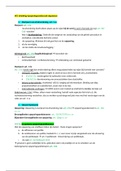
Nursing Applications: Coagulation
Evaluate lab findings (aPTT, PT/INR, bleeding time), CBC, platelets, renal and liver function
studies, ABGs as appropriate, lipid profiles.
Monitor vital signs and ECG every 15 mins during first hour of infusion, and then every 30
min during the remainder of the infusion. Continue to monitor vital signs 1h for the first 8h
following the infusion
Monitor neurologic status frequently, especially if thrombolytics are used for stroke
Encourage early ambulation post-op in the hospitalized patient and active range of motion if
the patient is on bed rest or has limited mobility. Perform passive ROM for patients unable
to perform active ROM
Educate patients and consumers about thrombosis prevention during travel: periodic
stretching, short periods of ambulation, avoid sitting for prolonged periods, increasing fluid
intake
Monitor for signs and symptoms of excessive visible bleeding and for occult bleeding
Continue to monitor frequent lab tests (aPTT, PT/INR), CBC and platelets. Therapeutic aPTT
levels are usually 1.5-2.5 times the normal control value. INR is usually 2-3.5 or 4. Values
below the norm indicate less than optimal therapeutic levels of the drug; values above the
norm indicate a high potential of bleeding and hemorrhage. CBC, especially RBC,
hemoglobin, and hematocrit and platelet levels should remain within normal limits.
Decreasing values on CBC may indicate excessive bleeding and the need to assess for
location.
Instruct the patient on the need to return periodically for lab work and alert lab personnel
that anticoagulant therapy is being use
Continue to monitor peripheral pulses for quality and volume, complaints of angina or chest
pain, especially if new or of sudden onset or accompanied by dyspnea. (Anticoagulants
prevent thrombus formation or extension; they do not prevent emboli from occurring.
Monitor for new or sudden onset of pain in necessary to ensure prompt treatment of
possible emboli)
Maintain a normal diet, avoiding increases or decreases in vit-K rich foods and limit or
eliminate alcohol intake (sudden increases or decreases in dietary intake of vit-k rich foods
may increases or decrease effectiveness of anticoagulants, particularly oral anticoagulant
therapy.)
Assess for any symptoms of hepatitis
Nursing Applications: Diabetes
Obtain a history of current symptoms, durations & severity, and other related s/s. Asess feet
and lower extremities for possible ulcerations
Assess for desired therapeutic effects (i.e. glucose levels remain within normal limits,
HbA1C, levels)
Assess for and report promptly adverse effects appropriate to the type of oral drug: signs of
hypoglycemia
Ensure the dietary needs are met based on the need to lose, gain or maintain current weight
and glucose levels. Instruct patients sulfonyulreas (glyburide) to avoid or eliminate alcohol
Continue to monitor capillary glucose levels. Check with the health care provider before
giving an oral hypoglycemic if blood sugar is less than 70 mg/dL or per the parameters are
ordered by the health care provider
Continue to monitor periodic lab work: CBC, electrolytes, glucose, A1C level, lipid profile,
hepatic and renal function studies
Teach the patient to always carry a quick-acting carbohydrate source in case symptoms of
hypoglycemia occur.
Monitor blood glucose more frequently during periods of illness or stress.
Encourage increased activity and exercise, but monitor blood glucose before and after
exercise and begin any new or increased exercise routine gradually