Reading international & EU climate law
Contents
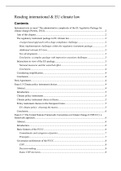
Instrument mix or mess? The administrative complexity of the EU legislative Package for
climate change (Peeters, 2014)...................................................................................................2
Aim of this chapter..................................................................................................................2
The regulatory instrument package in EU climate law...........................................................2
A target-based approach with a huge compliance challenge.............................................2
Many implementation challenges within the regulatory instrument package....................3
Additional relevant EU laws...............................................................................................3
New developments...............................................................................................................3
Conclusion: a complex package with impressive execution challenges.............................3
Interactions in view of the EU package..................................................................................3
National measures and the waterbed effect........................................................................3
Conclusion..........................................................................................................................4
Considering simplification......................................................................................................4
Conclusion..............................................................................................................................4
Paris Agreement..........................................................................................................................4
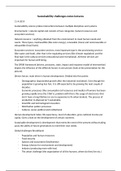
Faure I.5 Climate policy instrument choices...............................................................................4
Abstract...................................................................................................................................4
Introduction.............................................................................................................................5
Climate policy instruments.....................................................................................................5
Climate policy instrument choice in theory............................................................................5
Policy instrument choices in the European Union..................................................................5
EU climate policy: choosing the means..............................................................................5
Conclusion..............................................................................................................................6
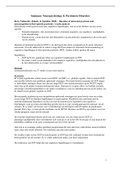
Faure I.17 The United Nations Framework Convention on Climate Change (UNFCCC): a
framework approach...................................................................................................................6
Abstract...................................................................................................................................6
Introduction.............................................................................................................................6
Basic features of the FCCC.....................................................................................................6
Commitments and categories of parties..............................................................................7
Principles............................................................................................................................7
Governance architecture of the FCCC....................................................................................8
COP.....................................................................................................................................8
Decision-making.................................................................................................................8
Status COP decisions..........................................................................................................8
, Financial mechanism..........................................................................................................9
Dispute settlement...............................................................................................................9
Evolution of the climate regime..............................................................................................9
Protocol...............................................................................................................................9
Amendments........................................................................................................................9
Conclusion............................................................................................................................10
Effort sharing decision..............................................................................................................10
ETS............................................................................................................................................10
A New Classic in Climate Change Litigation: The Dutch Supreme Court Decision in the
Urgenda Case (Nollkamper & Burgers, 2020)..........................................................................10
Human rights as a basis for obligations to prevent climate change......................................11
The 25% target as common ground......................................................................................11
Shared and partial responsibility...........................................................................................11
Final remarks.........................................................................................................................12
Instrument mix or mess? The administrative complexity of the EU
legislative Package for climate change (Peeters, 2014)
Aim of this chapter
Current legislative approach of the EU in the field of climate change contains measures for:
1. Emission reduction
2. Renewable energies
3. Energy efficiency
'triple 20' approach = 20% GHG emission reduction, 20% renewable energy and 20% energy saving
Instruments to reach the triple 20 approach: emissions trading, taxation, permitting, voluntary
agreements, liability arrangements, energy labelling, eco design requirements and fuel quality
standards + support mechanisms for promoting renewable energy at EU and member state
level
Criticism: the current legislative package which supports EU climate policy so vast and diverse that it
has become an enormous challenge to master a good understanding of specific provisions of each
legislative measure and related potential legal conflicts
The regulatory instrument package in EU climate law
A target-based approach with a huge compliance challenge
EU has chosen to set targets -> secondary legislation has been adopted to achieve those
Broader target -> specific targets
Evidence: the EU ETS Directive (EU-wide), the Renewable Energy Directive and the Effort
Sharing Decisions start from targets to be reached
Target-based approach assumes that sufficient measures will be taken in order to reach compliance,
which requires a lot of steering
Field of environmental law well known for non-compliance behaviour
Member States often do not comply with the set obligations (fail to steer private actors in their
national systems towards less polluting behaviour)
New directive on energy efficiency measures adopted in 2012
Contents
Instrument mix or mess? The administrative complexity of the EU legislative Package for
climate change (Peeters, 2014)...................................................................................................2
Aim of this chapter..................................................................................................................2
The regulatory instrument package in EU climate law...........................................................2
A target-based approach with a huge compliance challenge.............................................2
Many implementation challenges within the regulatory instrument package....................3
Additional relevant EU laws...............................................................................................3
New developments...............................................................................................................3
Conclusion: a complex package with impressive execution challenges.............................3
Interactions in view of the EU package..................................................................................3
National measures and the waterbed effect........................................................................3
Conclusion..........................................................................................................................4
Considering simplification......................................................................................................4
Conclusion..............................................................................................................................4
Paris Agreement..........................................................................................................................4
Faure I.5 Climate policy instrument choices...............................................................................4
Abstract...................................................................................................................................4
Introduction.............................................................................................................................5
Climate policy instruments.....................................................................................................5
Climate policy instrument choice in theory............................................................................5
Policy instrument choices in the European Union..................................................................5
EU climate policy: choosing the means..............................................................................5
Conclusion..............................................................................................................................6
Faure I.17 The United Nations Framework Convention on Climate Change (UNFCCC): a
framework approach...................................................................................................................6
Abstract...................................................................................................................................6
Introduction.............................................................................................................................6
Basic features of the FCCC.....................................................................................................6
Commitments and categories of parties..............................................................................7
Principles............................................................................................................................7
Governance architecture of the FCCC....................................................................................8
COP.....................................................................................................................................8
Decision-making.................................................................................................................8
Status COP decisions..........................................................................................................8
, Financial mechanism..........................................................................................................9
Dispute settlement...............................................................................................................9
Evolution of the climate regime..............................................................................................9
Protocol...............................................................................................................................9
Amendments........................................................................................................................9
Conclusion............................................................................................................................10
Effort sharing decision..............................................................................................................10
ETS............................................................................................................................................10
A New Classic in Climate Change Litigation: The Dutch Supreme Court Decision in the
Urgenda Case (Nollkamper & Burgers, 2020)..........................................................................10
Human rights as a basis for obligations to prevent climate change......................................11
The 25% target as common ground......................................................................................11
Shared and partial responsibility...........................................................................................11
Final remarks.........................................................................................................................12
Instrument mix or mess? The administrative complexity of the EU
legislative Package for climate change (Peeters, 2014)
Aim of this chapter
Current legislative approach of the EU in the field of climate change contains measures for:
1. Emission reduction
2. Renewable energies
3. Energy efficiency
'triple 20' approach = 20% GHG emission reduction, 20% renewable energy and 20% energy saving
Instruments to reach the triple 20 approach: emissions trading, taxation, permitting, voluntary
agreements, liability arrangements, energy labelling, eco design requirements and fuel quality
standards + support mechanisms for promoting renewable energy at EU and member state
level
Criticism: the current legislative package which supports EU climate policy so vast and diverse that it
has become an enormous challenge to master a good understanding of specific provisions of each
legislative measure and related potential legal conflicts
The regulatory instrument package in EU climate law
A target-based approach with a huge compliance challenge
EU has chosen to set targets -> secondary legislation has been adopted to achieve those
Broader target -> specific targets
Evidence: the EU ETS Directive (EU-wide), the Renewable Energy Directive and the Effort
Sharing Decisions start from targets to be reached
Target-based approach assumes that sufficient measures will be taken in order to reach compliance,
which requires a lot of steering
Field of environmental law well known for non-compliance behaviour
Member States often do not comply with the set obligations (fail to steer private actors in their
national systems towards less polluting behaviour)
New directive on energy efficiency measures adopted in 2012