Contents
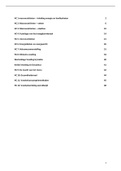
Faure II.11 Goal-setting in environmental decision making....................................................................2
Abstract..............................................................................................................................................2
II.11.1 introduction.............................................................................................................................2
II.11.2 the overall objectives of environmental law............................................................................2
II.11.2.1 Environmental law............................................................................................................2
II.11.2.2 The growing effect of climate change and sustainability on environmental law..............3
II.11.3 the value of specific goals........................................................................................................4
II.11.3.1 Establishing priorities........................................................................................................5
II.11.3.2 Clarifying objectives..........................................................................................................5
II.11.3.3 Enhancing the likelihood of success..................................................................................5
II.11.3.4 Milestones toward achievement of long-term objectives.................................................5
II.11.4 conclusion....................................................................................................................................6
Abstract..................................................................................................................................................6
...............................................................................................................................................................6
II.17.2 environmental permits: origins and nature.................................................................................6
II.17.4 conclusion....................................................................................................................................8
Ch VI.4, par. 1-3: Environmental principles and the right to a quality environment..............................8
VI.4.1 Introduction..............................................................................................................................8
VI.4.2 Defining environment...............................................................................................................8
VI.4.3 Defining environmental right / right to environment...............................................................9
VI.4.4 Environmental principles associated with the right to a quality environment.........................9
VI.32 Environmental principles in the EU...............................................................................................9
Abstract..............................................................................................................................................9
VI.32.1 Introduction..........................................................................................................................10
VI.32.2 European context.................................................................................................................10
VI.32.3 Emergence of the principles in EU law.................................................................................10
VI.32.4 general versus specific principles.........................................................................................10
VI.32.5 layers and overlaps...............................................................................................................11
VI.32.6 Functions of the catalogue...................................................................................................11
VI.32.7 Territorial scope of application.............................................................................................12
VI.32.8 Binding effect.......................................................................................................................12
VI.32.9 Enforcement by the courts...................................................................................................13
VI.32.10 Conclusion..........................................................................................................................14
Introduction......................................................................................................................................14
,Faure II.11 Goal-setting in environmental decision making
Abstract
One of the most important questions in the drafting of environmental laws is what goals
the laws should achieve. Goals help organize all of the work that is done to implement
these laws—standard-setting, enforcement, funding, and even allocation of personnel.
This chapter explores the variety of overall environmental, social, economic, and even
security goals that environmental laws have. It then explains the importance of
translating these broad objectives into specific goals based on targets and timetables.
Such specific goals make these laws much more effective than they would otherwise be.
Such goals are also becoming a central feature of the international effort to address
climate change.
II.11.1 introduction
Predominant purpose of environmental law = to protect and enhance human well-being
Sustainable development is leading governments and businesses to broaden and
deepen their understanding of the best ways to achieve that result.
Goals -> targets & timetable -> set priorities, force decisionmakers to clarify
objectives, enhance the likelihood of success and provide intermediate
milestones or benchmarks for measuring progress
II.11.2 the overall objectives of environmental law
II.11.2.1 Environmental law
Overall objective environmental law = to protect human health and well-being from the
adverse effects of environmental pollution and degradation
Modern environmental movement driven by concerns about the adverse effects
on humans of air and water pollution, improper waste disposal and the desire for
environmental amenities
The movement’s overall objective was protection of human quality of life
A variety of anthropocentric or human-centred objectives—social, economic, and even
national security—all affect the overall objectives of environmental law
Most of the goals of environmental law are anthropocentric: intergenerational
equity, protection of the resource base upon which society rests, efficiency,
national security, preservation for aesthetics or recreation, community stability,
pursuit of scientific knowledge and technology, reduction of atmospheric
pollution to levels that protect public health, environmental justice
Biocentrism (protecting the environment for its own sake) is also a goal of
environmental law
Central issue: economic development
Environmental protection and conventional economic development tend to be
viewed as opposing forces that must be ‘balanced’ by calibrating a level of
environmental protection that will not have undue economic consequences
Solutions: cost-benefit analysis (CBA)
Environmental protection does not have a clear definition
, The most obvious choices are slowing down the rate at which things are getting
worse (damage control), stabilizing overall pollution, or degradation at some
acceptable level, and restoring the environment to an earlier condition.
The effect of these choices is not always obvious, particularly to the general
public
Environmental protection also depends on context and feasibility
II.11.2.2 The growing effect of climate change and sustainability on
environmental law
Sustainable development in general, and climate change in particular, are having a
growing influence on the development of environmental law, including the overall
objectives of those laws:
Sustainable development = ‘development that meets the needs of the present without
compromising the ability of future generations to meet their own needs’
SD attention from effects of development process to manner in which overall
development occurs
The laws and policies growing out of that approach have broader and
more ambitious overall goals than many more traditional environmental
laws
Grew out of concerns that conventional development caused adverse effects on
the environment and the people that depend on that environment
Provides framework for reconciling and furthering the broad goals of peace and
security, economic development, social development/human rights and
environmental protection
The foundational action principle of sustainable development is integrated
decision making
o Basic idea = ‘environmental protection shall constitute an integral part of
the development process and cannot be considered in isolation from it’
o Procedural integration occurs when environment and social effects are
considered as part of the decision-making process
o Substantive integration requires more than consideration of
environmental and social effects; it requires that specific and substantive
environmental and social goals be established and realized as part of the
decision-making process
How SD is affecting the goals of environmental law;
written into national constitutions and quasi-constitutional documents
like the European Union Treaty, where it can affect the development and
implementation of environmental law
the social dimension of sustainability puts greater emphasis on
environmental justice as an objective than it often receives in
environmental law
The overall objective of the United Nations Framework Convention on Climate Change
is ‘stabilization of greenhouse gas concentrations in the atmosphere at a level that
would prevent dangerous anthropogenic interference with the climate system’.
also adopted a goal that is distinctly human-centred - prevention of dangerous
interference with the climate system.
Faure II.11 Goal-setting in environmental decision making....................................................................2
Abstract..............................................................................................................................................2
II.11.1 introduction.............................................................................................................................2
II.11.2 the overall objectives of environmental law............................................................................2
II.11.2.1 Environmental law............................................................................................................2
II.11.2.2 The growing effect of climate change and sustainability on environmental law..............3
II.11.3 the value of specific goals........................................................................................................4
II.11.3.1 Establishing priorities........................................................................................................5
II.11.3.2 Clarifying objectives..........................................................................................................5
II.11.3.3 Enhancing the likelihood of success..................................................................................5
II.11.3.4 Milestones toward achievement of long-term objectives.................................................5
II.11.4 conclusion....................................................................................................................................6
Abstract..................................................................................................................................................6
...............................................................................................................................................................6
II.17.2 environmental permits: origins and nature.................................................................................6
II.17.4 conclusion....................................................................................................................................8
Ch VI.4, par. 1-3: Environmental principles and the right to a quality environment..............................8
VI.4.1 Introduction..............................................................................................................................8
VI.4.2 Defining environment...............................................................................................................8
VI.4.3 Defining environmental right / right to environment...............................................................9
VI.4.4 Environmental principles associated with the right to a quality environment.........................9
VI.32 Environmental principles in the EU...............................................................................................9
Abstract..............................................................................................................................................9
VI.32.1 Introduction..........................................................................................................................10
VI.32.2 European context.................................................................................................................10
VI.32.3 Emergence of the principles in EU law.................................................................................10
VI.32.4 general versus specific principles.........................................................................................10
VI.32.5 layers and overlaps...............................................................................................................11
VI.32.6 Functions of the catalogue...................................................................................................11
VI.32.7 Territorial scope of application.............................................................................................12
VI.32.8 Binding effect.......................................................................................................................12
VI.32.9 Enforcement by the courts...................................................................................................13
VI.32.10 Conclusion..........................................................................................................................14
Introduction......................................................................................................................................14
,Faure II.11 Goal-setting in environmental decision making
Abstract
One of the most important questions in the drafting of environmental laws is what goals
the laws should achieve. Goals help organize all of the work that is done to implement
these laws—standard-setting, enforcement, funding, and even allocation of personnel.
This chapter explores the variety of overall environmental, social, economic, and even
security goals that environmental laws have. It then explains the importance of
translating these broad objectives into specific goals based on targets and timetables.
Such specific goals make these laws much more effective than they would otherwise be.
Such goals are also becoming a central feature of the international effort to address
climate change.
II.11.1 introduction
Predominant purpose of environmental law = to protect and enhance human well-being
Sustainable development is leading governments and businesses to broaden and
deepen their understanding of the best ways to achieve that result.
Goals -> targets & timetable -> set priorities, force decisionmakers to clarify
objectives, enhance the likelihood of success and provide intermediate
milestones or benchmarks for measuring progress
II.11.2 the overall objectives of environmental law
II.11.2.1 Environmental law
Overall objective environmental law = to protect human health and well-being from the
adverse effects of environmental pollution and degradation
Modern environmental movement driven by concerns about the adverse effects
on humans of air and water pollution, improper waste disposal and the desire for
environmental amenities
The movement’s overall objective was protection of human quality of life
A variety of anthropocentric or human-centred objectives—social, economic, and even
national security—all affect the overall objectives of environmental law
Most of the goals of environmental law are anthropocentric: intergenerational
equity, protection of the resource base upon which society rests, efficiency,
national security, preservation for aesthetics or recreation, community stability,
pursuit of scientific knowledge and technology, reduction of atmospheric
pollution to levels that protect public health, environmental justice
Biocentrism (protecting the environment for its own sake) is also a goal of
environmental law
Central issue: economic development
Environmental protection and conventional economic development tend to be
viewed as opposing forces that must be ‘balanced’ by calibrating a level of
environmental protection that will not have undue economic consequences
Solutions: cost-benefit analysis (CBA)
Environmental protection does not have a clear definition
, The most obvious choices are slowing down the rate at which things are getting
worse (damage control), stabilizing overall pollution, or degradation at some
acceptable level, and restoring the environment to an earlier condition.
The effect of these choices is not always obvious, particularly to the general
public
Environmental protection also depends on context and feasibility
II.11.2.2 The growing effect of climate change and sustainability on
environmental law
Sustainable development in general, and climate change in particular, are having a
growing influence on the development of environmental law, including the overall
objectives of those laws:
Sustainable development = ‘development that meets the needs of the present without
compromising the ability of future generations to meet their own needs’
SD attention from effects of development process to manner in which overall
development occurs
The laws and policies growing out of that approach have broader and
more ambitious overall goals than many more traditional environmental
laws
Grew out of concerns that conventional development caused adverse effects on
the environment and the people that depend on that environment
Provides framework for reconciling and furthering the broad goals of peace and
security, economic development, social development/human rights and
environmental protection
The foundational action principle of sustainable development is integrated
decision making
o Basic idea = ‘environmental protection shall constitute an integral part of
the development process and cannot be considered in isolation from it’
o Procedural integration occurs when environment and social effects are
considered as part of the decision-making process
o Substantive integration requires more than consideration of
environmental and social effects; it requires that specific and substantive
environmental and social goals be established and realized as part of the
decision-making process
How SD is affecting the goals of environmental law;
written into national constitutions and quasi-constitutional documents
like the European Union Treaty, where it can affect the development and
implementation of environmental law
the social dimension of sustainability puts greater emphasis on
environmental justice as an objective than it often receives in
environmental law
The overall objective of the United Nations Framework Convention on Climate Change
is ‘stabilization of greenhouse gas concentrations in the atmosphere at a level that
would prevent dangerous anthropogenic interference with the climate system’.
also adopted a goal that is distinctly human-centred - prevention of dangerous
interference with the climate system.