

Wo\\BGZ2004
Probleem 8 ATP production
1. What are the ETC and oxidative phosphorylation and what is
the difference between them?
a. Which enzymes are involved?
b. Rate limiting steps?
Hydrolysis reactions break down or digest complex molecules into simpler
subunits, condensation reactions build larger molecules by bonding subunits
together.
Hydrolysis reactions
It catabolizes carbohydrates, lipids and proteins into smaller forms that the body
can absorb. This process splits chemical bonds by adding H+ and OH- to the
reaction byproducts. Water is added to these reactions.
Condensation reactions (dehydration)
The structural components of the nutrients bind together, while water is split off.
ATP formation by oxidation molecules from the food:
In the body, thousands of reactions occur that involve the transfer of electrons
from one substance to another. Oxidation reactions transfer oxygen atoms,
hydrogen atoms or electrons. A loss of electrons always occurs. Reduction
involves a process in which the atoms in an element gain electrons. The reducing
agent is the substance that donates or loses electrons, the substance being
reduced or gaining electrons is called the electron acceptor; oxidizing agent.
Oxidation and reduction reactions become coupled, this is called a redox
reaction.
Na + Cl Na+ + Cl-
Na here is oxidized, so is the reducing agent
Cl is reduced, so is oxidator; electron acceptor.
During respiration, electrons fall stepwise, so that not all energy is lost in form of
heat. This occurs via NAD+ and FAD and the electron transport chain
,In the redox reaction within the mitochondria (energy transfer), special carrier
molecules transfer oxidized hydrogen atoms and their removed electrons for
delivery to oxygen, which becomes reduced. The carbohydrate, fat and protein
substrates provide a source of hydrogen atoms. Dehydrogenase (oxidase)
enzymes speed up the redox reactions. Two of these coenzymes are:
- NAD+ (nicotamide adenine dinucleotide)
- FAD (flavine adenine dinucleotide)
Transferring electrons from NADH and FADH2 harnesses energy in the form of
ATP.
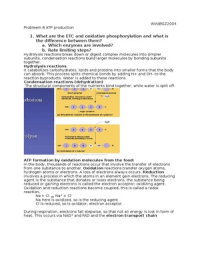
FIGURE 5,10 McArdle; what happens in the mitochondria
, ATP formation occurs in:
- Substrate level phosphorilation
(see lecture ATP)
o This occurs in glycolysis
and in the krebscycle
- Oxidative phosphorilation;
cellular respiration
Cellular oxidation
The redox reactions continually
provide hydrogen atoms from the catabolism of stored macronutrients. The
mitochondria contain carrier molecules that remove electrons from hydrogen
(oxidation) and pass them to oxygen (reduction). During these reactions, ATP
production occurs.
Electron chain
During cellular oxidation, substrate-specific dehydrogenase enzymes catalyze
hydrogen’s release from the nutrient substrate.
- NAD+ accepts pairs of electrons from hydrogen. Although the substrate
oxidizes and gives up hydrogens (electrons), NAD+ gains hydrogen and
two electrons to NADH, the other hydrogen appears as H+ in the cell fluid.
- FAD is another electron acceptor to oxidize food fragments. It also
catalyzes dehydrogenation and accepts electron pairs. FAD becomes
FADH2 by accepting both hydrogens.
- So NADH and FADH2 provide energy rich molecules because they carry
electrons with high energy-transfer potential
Each component of the chain becomes reduced when it accepts electrons from its
uphill neighbor, which has a lower affinity for electrons. It then returns to its
oxidized form as it passed electron to its downhill neighbor.
4 complexes: NADH dehydrogenase / succinate
dehydrogenase / cytochrome b-c1 complex /
cytochrome oxidase (5; ATP synthase).
Are the complexes enzymes?
First, NADH + H+ is transferred into NAD+ and one
hydrogen atom is pumped for each electron. This
first complex is a flavoprotein (FMN). This passes
electrons to FeS, so it becomes oxidized back
again. The FeS than passes its electrons to
ubiquinone (Q). This is a small hydrophobic
molecule (no protein). It is mobile within the
membrane.
Most of the remaining electron carriers are
proteins called cytochromes.
The cytochromes, a series of iron-protein electron
carriers on the inner membrane of the
mitochondrion, pass pairs of electrons carried by
NADH and FADH2. The iron portion of each
cytochrome exists either in its oxidized (Fe 3+) or its
reduced (Fe2+) ionic state. By accepting an
electron, Fe3+ (ferric state) becomes Fe2+
(ferrous state). This ferrous iron then donates its
Probleem 8 ATP production
1. What are the ETC and oxidative phosphorylation and what is
the difference between them?
a. Which enzymes are involved?
b. Rate limiting steps?
Hydrolysis reactions break down or digest complex molecules into simpler
subunits, condensation reactions build larger molecules by bonding subunits
together.
Hydrolysis reactions
It catabolizes carbohydrates, lipids and proteins into smaller forms that the body
can absorb. This process splits chemical bonds by adding H+ and OH- to the
reaction byproducts. Water is added to these reactions.
Condensation reactions (dehydration)
The structural components of the nutrients bind together, while water is split off.
ATP formation by oxidation molecules from the food:
In the body, thousands of reactions occur that involve the transfer of electrons
from one substance to another. Oxidation reactions transfer oxygen atoms,
hydrogen atoms or electrons. A loss of electrons always occurs. Reduction
involves a process in which the atoms in an element gain electrons. The reducing
agent is the substance that donates or loses electrons, the substance being
reduced or gaining electrons is called the electron acceptor; oxidizing agent.
Oxidation and reduction reactions become coupled, this is called a redox
reaction.
Na + Cl Na+ + Cl-
Na here is oxidized, so is the reducing agent
Cl is reduced, so is oxidator; electron acceptor.
During respiration, electrons fall stepwise, so that not all energy is lost in form of
heat. This occurs via NAD+ and FAD and the electron transport chain
,In the redox reaction within the mitochondria (energy transfer), special carrier
molecules transfer oxidized hydrogen atoms and their removed electrons for
delivery to oxygen, which becomes reduced. The carbohydrate, fat and protein
substrates provide a source of hydrogen atoms. Dehydrogenase (oxidase)
enzymes speed up the redox reactions. Two of these coenzymes are:
- NAD+ (nicotamide adenine dinucleotide)
- FAD (flavine adenine dinucleotide)
Transferring electrons from NADH and FADH2 harnesses energy in the form of
ATP.
FIGURE 5,10 McArdle; what happens in the mitochondria
, ATP formation occurs in:
- Substrate level phosphorilation
(see lecture ATP)
o This occurs in glycolysis
and in the krebscycle
- Oxidative phosphorilation;
cellular respiration
Cellular oxidation
The redox reactions continually
provide hydrogen atoms from the catabolism of stored macronutrients. The
mitochondria contain carrier molecules that remove electrons from hydrogen
(oxidation) and pass them to oxygen (reduction). During these reactions, ATP
production occurs.
Electron chain
During cellular oxidation, substrate-specific dehydrogenase enzymes catalyze
hydrogen’s release from the nutrient substrate.
- NAD+ accepts pairs of electrons from hydrogen. Although the substrate
oxidizes and gives up hydrogens (electrons), NAD+ gains hydrogen and
two electrons to NADH, the other hydrogen appears as H+ in the cell fluid.
- FAD is another electron acceptor to oxidize food fragments. It also
catalyzes dehydrogenation and accepts electron pairs. FAD becomes
FADH2 by accepting both hydrogens.
- So NADH and FADH2 provide energy rich molecules because they carry
electrons with high energy-transfer potential
Each component of the chain becomes reduced when it accepts electrons from its
uphill neighbor, which has a lower affinity for electrons. It then returns to its
oxidized form as it passed electron to its downhill neighbor.
4 complexes: NADH dehydrogenase / succinate
dehydrogenase / cytochrome b-c1 complex /
cytochrome oxidase (5; ATP synthase).
Are the complexes enzymes?
First, NADH + H+ is transferred into NAD+ and one
hydrogen atom is pumped for each electron. This
first complex is a flavoprotein (FMN). This passes
electrons to FeS, so it becomes oxidized back
again. The FeS than passes its electrons to
ubiquinone (Q). This is a small hydrophobic
molecule (no protein). It is mobile within the
membrane.
Most of the remaining electron carriers are
proteins called cytochromes.
The cytochromes, a series of iron-protein electron
carriers on the inner membrane of the
mitochondrion, pass pairs of electrons carried by
NADH and FADH2. The iron portion of each
cytochrome exists either in its oxidized (Fe 3+) or its
reduced (Fe2+) ionic state. By accepting an
electron, Fe3+ (ferric state) becomes Fe2+
(ferrous state). This ferrous iron then donates its



