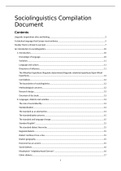
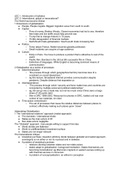
Sociolinguistics Compilation
Document
Contents
Linguistic imperialism alive and kicking.................................................................................................3
A stateless language that Europe must embrace...................................................................................5
Murder that is a threat to survival.........................................................................................................7
An introduction to sociolinguistics.......................................................................................................10
1. Introduction.................................................................................................................................10
Knowledge of language................................................................................................................10
Variation......................................................................................................................................11
Language and culture...................................................................................................................11
Directions of influence.................................................................................................................11
The Whorfian hypothesis (linguistic determinism/linguistic relativity hypothesis/Sapir-Whorf
hypothesis....................................................................................................................................12
Correlations.................................................................................................................................12
The boundaries of sociolinguistics...............................................................................................12
Methodological concerns.............................................................................................................12
Research design...........................................................................................................................13
Overview of the book..................................................................................................................13
2. Languages, dialects and varieties.................................................................................................13
The role of social identity.............................................................................................................14
Standardization............................................................................................................................14
The standard as an abstraction....................................................................................................14
The standardization process........................................................................................................15
The standard and language change.............................................................................................15
Standard English?........................................................................................................................15
The standard-dialect hierarchy....................................................................................................15
Regional dialects..........................................................................................................................15
Dialect continua I love u too........................................................................................................15
Dialect geography........................................................................................................................15
Everyone has an accent...............................................................................................................15
Social dialects...............................................................................................................................16
Kiezdeutsch “neighbourhood German”.......................................................................................16
Ethnic dialects..............................................................................................................................17
1
,African American Vernacular English (AAVE)...............................................................................17
Features of AAVE.........................................................................................................................17
Development of AAVE.................................................................................................................17
Latino Englishes...........................................................................................................................17
Styles, registers and genres.........................................................................................................18
Style.............................................................................................................................................18
Register........................................................................................................................................18
Genre...........................................................................................................................................18
2
, Linguistic imperialism alive and kicking
Robert Phillipson
Tue 13 Mar 2012 14.00 GMT First published on Tue 13 Mar 2012 14.00 GMT
US and UK policy to promote English language teaching expertise around the world is undermining
multilingualism and education opportunities
Opinion
Topics reported on recently in Learning English give me grounds for concern about internationally
driven efforts to strengthen the learning of English.
They suggest strongly that Tesol/ELT is part of the problem rather than the solution.
There is increasing evidence that what is on offer may in fact cause educational failure.
My worries were triggered by two shocking headlines (Learning English, 13 January).
One reports on the massive failure in Namibia of English as the main medium of education:
"Language policy 'poisoning' children".
This was the conclusion of a recent NGO study.
The second was "Language myth cripples Pakistan's schools".
The myth is the belief that studying English is all you need for success in life.
Policies influenced by this myth prevent most children from accessing relevant education.
I am also strongly concerned about a third story, "US launches global push to share ELT skills".
The background is that in November 2011 the US state department and Tesol International
Association (recently renamed) announced a partnership to meet the global demand for English and
to "Work in co-ordination with US companies, universities, publishers, and other ELT stakeholders to
enhance their international outreach and operations".
This drive is modelled on the success of the British Council in expanding British influence worldwide.
There are examples in the 17 February issue of Learning English: Tony Blair promoting British ELT in
Thailand; the UK taking a "role in Ukraine primary push".
Is Anglo-American expertise really relevant in all such contexts?
In fact educational "aid" worldwide does not have a strong record of success.
There is scholarly evidence, for instance from Spain, that primary English is not an unmitigated
success story: quite the opposite.
For Namibia a great deal of educational language planning was undertaken at the United Nations
Institute for Namibia prior to independence.
I summarised this in my book Linguistic Imperialism (OUP, 1992), quoting solid evidence that an
over-reliance on English was inappropriate.
Yet this is what British Council "advisers" in independent Namibia were instrumental in
implementing.
British policies in Africa and Asia have aimed at strengthening English rather than promoting
multilingualism, which is the social reality.
Underlying British ELT have been key tenets – monolingualism, the native speaker as the ideal
teacher, the earlier the better etc – which the same book diagnoses as fundamentally false.
They underpin linguistic imperialism.
British goals both in the colonial period and today are primarily political and commercial.
The British Council's Annual Report 2009-10 states that for the equivalent of every $1.60 of
3
Document
Contents
Linguistic imperialism alive and kicking.................................................................................................3
A stateless language that Europe must embrace...................................................................................5
Murder that is a threat to survival.........................................................................................................7
An introduction to sociolinguistics.......................................................................................................10
1. Introduction.................................................................................................................................10
Knowledge of language................................................................................................................10
Variation......................................................................................................................................11
Language and culture...................................................................................................................11
Directions of influence.................................................................................................................11
The Whorfian hypothesis (linguistic determinism/linguistic relativity hypothesis/Sapir-Whorf
hypothesis....................................................................................................................................12
Correlations.................................................................................................................................12
The boundaries of sociolinguistics...............................................................................................12
Methodological concerns.............................................................................................................12
Research design...........................................................................................................................13
Overview of the book..................................................................................................................13
2. Languages, dialects and varieties.................................................................................................13
The role of social identity.............................................................................................................14
Standardization............................................................................................................................14
The standard as an abstraction....................................................................................................14
The standardization process........................................................................................................15
The standard and language change.............................................................................................15
Standard English?........................................................................................................................15
The standard-dialect hierarchy....................................................................................................15
Regional dialects..........................................................................................................................15
Dialect continua I love u too........................................................................................................15
Dialect geography........................................................................................................................15
Everyone has an accent...............................................................................................................15
Social dialects...............................................................................................................................16
Kiezdeutsch “neighbourhood German”.......................................................................................16
Ethnic dialects..............................................................................................................................17
1
,African American Vernacular English (AAVE)...............................................................................17
Features of AAVE.........................................................................................................................17
Development of AAVE.................................................................................................................17
Latino Englishes...........................................................................................................................17
Styles, registers and genres.........................................................................................................18
Style.............................................................................................................................................18
Register........................................................................................................................................18
Genre...........................................................................................................................................18
2
, Linguistic imperialism alive and kicking
Robert Phillipson
Tue 13 Mar 2012 14.00 GMT First published on Tue 13 Mar 2012 14.00 GMT
US and UK policy to promote English language teaching expertise around the world is undermining
multilingualism and education opportunities
Opinion
Topics reported on recently in Learning English give me grounds for concern about internationally
driven efforts to strengthen the learning of English.
They suggest strongly that Tesol/ELT is part of the problem rather than the solution.
There is increasing evidence that what is on offer may in fact cause educational failure.
My worries were triggered by two shocking headlines (Learning English, 13 January).
One reports on the massive failure in Namibia of English as the main medium of education:
"Language policy 'poisoning' children".
This was the conclusion of a recent NGO study.
The second was "Language myth cripples Pakistan's schools".
The myth is the belief that studying English is all you need for success in life.
Policies influenced by this myth prevent most children from accessing relevant education.
I am also strongly concerned about a third story, "US launches global push to share ELT skills".
The background is that in November 2011 the US state department and Tesol International
Association (recently renamed) announced a partnership to meet the global demand for English and
to "Work in co-ordination with US companies, universities, publishers, and other ELT stakeholders to
enhance their international outreach and operations".
This drive is modelled on the success of the British Council in expanding British influence worldwide.
There are examples in the 17 February issue of Learning English: Tony Blair promoting British ELT in
Thailand; the UK taking a "role in Ukraine primary push".
Is Anglo-American expertise really relevant in all such contexts?
In fact educational "aid" worldwide does not have a strong record of success.
There is scholarly evidence, for instance from Spain, that primary English is not an unmitigated
success story: quite the opposite.
For Namibia a great deal of educational language planning was undertaken at the United Nations
Institute for Namibia prior to independence.
I summarised this in my book Linguistic Imperialism (OUP, 1992), quoting solid evidence that an
over-reliance on English was inappropriate.
Yet this is what British Council "advisers" in independent Namibia were instrumental in
implementing.
British policies in Africa and Asia have aimed at strengthening English rather than promoting
multilingualism, which is the social reality.
Underlying British ELT have been key tenets – monolingualism, the native speaker as the ideal
teacher, the earlier the better etc – which the same book diagnoses as fundamentally false.
They underpin linguistic imperialism.
British goals both in the colonial period and today are primarily political and commercial.
The British Council's Annual Report 2009-10 states that for the equivalent of every $1.60 of
3