Gender:
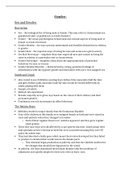
Sex and Gender:
Key terms:
Sex – the biological fact of being male or female. This may refer to chromosomal sex,
gonadal sex and/ or genital sex (a result of nature)
Gender – the social, psychological, behavioural and cultural aspects of being male or
female (a result of nurture)
Gender Identity – the way a person understands and classifies themselves in relation
to gender
Gender Role – the expected ways of acting for men and women in a given society
Sex Role Stereotype – simplistic ideas that regard all men and women as being the
same in relation to a particular trait or characteristic
Gender Stereotype – simplistic ideas about the appropriateness of particular
behaviour for men or women
Gender Identity Disorder – characterised by strong, persistent feelings of
identification with the opposite gender and discomfort with one’s own assigned sex
Smith and Lloyd:
Aim; tested to see if children wearing boys clothes (blue snowsuits) half the time
and girls clothes (pink snowsuits) half the time would be treated differently by
adults playing with them
Sample; 60 adults
Method; lab experiment
Results; majority were given toys based on the colour of their clothes (and their
presumed gender)
Conclusion; sex-role stereotypes do affect behaviour
The Batista Boys:
McGinley studied a unique family from the Dominican Republic
Four of the children in this family were assigned female at birth and were raised as
such until puberty when they ‘changed’ into males
o Each of their vaginas closed over, testicles appeared, and they grew regular-
sized penises
These four now boys were all affected by a rare genetic disorder, which meant their
male genitalia weren’t external at birth but were concealed meaning they were XY
males the whole time
They had inherited a faulty gene which meant their testes developed but they failed
to produce to chemical that would remove the female parts
o This chemical began production at puberty, and then the children underwent
the changes that should have happened in the womb
At puberty , the boys abandoned their female identity with few problems of
adjustment and quickly adapted to their new roles as boys/ men
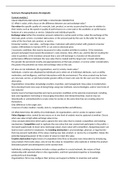
Sex and Gender:
Key terms:
Sex – the biological fact of being male or female. This may refer to chromosomal sex,
gonadal sex and/ or genital sex (a result of nature)
Gender – the social, psychological, behavioural and cultural aspects of being male or
female (a result of nurture)
Gender Identity – the way a person understands and classifies themselves in relation
to gender
Gender Role – the expected ways of acting for men and women in a given society
Sex Role Stereotype – simplistic ideas that regard all men and women as being the
same in relation to a particular trait or characteristic
Gender Stereotype – simplistic ideas about the appropriateness of particular
behaviour for men or women
Gender Identity Disorder – characterised by strong, persistent feelings of
identification with the opposite gender and discomfort with one’s own assigned sex
Smith and Lloyd:
Aim; tested to see if children wearing boys clothes (blue snowsuits) half the time
and girls clothes (pink snowsuits) half the time would be treated differently by
adults playing with them
Sample; 60 adults
Method; lab experiment
Results; majority were given toys based on the colour of their clothes (and their
presumed gender)
Conclusion; sex-role stereotypes do affect behaviour
The Batista Boys:
McGinley studied a unique family from the Dominican Republic
Four of the children in this family were assigned female at birth and were raised as
such until puberty when they ‘changed’ into males
o Each of their vaginas closed over, testicles appeared, and they grew regular-
sized penises
These four now boys were all affected by a rare genetic disorder, which meant their
male genitalia weren’t external at birth but were concealed meaning they were XY
males the whole time
They had inherited a faulty gene which meant their testes developed but they failed
to produce to chemical that would remove the female parts
o This chemical began production at puberty, and then the children underwent
the changes that should have happened in the womb
At puberty , the boys abandoned their female identity with few problems of
adjustment and quickly adapted to their new roles as boys/ men