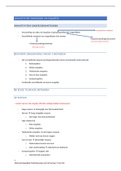
TRANSMISSION OF Pathogens have a life cycle which involves living on or inside other
living things. However, this causes harm to the host. The life cycle
PATHOGENS. consists of: TRANSMISSION, ENTERING HOST TISSUES,
REPRODUCTION, LEAVING HOST TISSUE.
DIRECT TRANSMISSION BETWEEN TRANSMISSION OF PLANT
Using a mask mask can PATHOGENS
ANIMALS
reduce spore transmission.
• Plant pathogens can be spread
• Pathogens can be transmitted
both directly and indirectly.
between animals in multiple ways.
Pathogens present in the soil
The most common forms are via direct
will infect plants through
transmission. INDIRECT TRANSMISSION entering the roots, which may
• Direct physical contact- touching
also be damaged from
infected animals, touching • Some pathogens are transmitted via replanting, burrows, or
contaminated surfaces. Ex: ringworm, a vector. weathering.
HIV, bacterial meningitis, athlete’s • This is another organism used by the • Spores produced by fungi may
foot. This can be prevented through pathogen to gain entry into a primary be carried in the wind.
extreme hygiene, sexual protection host. • Once a pathogen is inside a
and disinfectants. • Ex. The Plasmodium parasite plant, it infects the vascular
• Faecal-oral transmission- eating/ (malaria) uses a bite from a female tissue. When leaves are shed,
drinking contaminated products. Ex: Anopheles mosquito to enter another the pathogen is carried back
cholera, food poisoning. This can be organism. into the soil to infect another
reduced by treating waste and
plant.
drinking water, washing fresh food, Person
with
and through careful food preparation. malaria
• Droplet infection- the pathogen is Plasmodium Gametes of
carried through tiny airborne water migrates to plasmodium
in blood
droplets. Ex: tuberculosis, in uenza. blood
This can be prevented using the catch,
bin, kill method. Mouth should be
covered while coughing or sneezing,
Plasmodium Female
using a tissue and properly disposing migrates to Anopheles
of it. liver mosquito
• Spore transmission- spores are sucks blood
released by the pathogen are carried in
the air or rest on surfaces. Ex: • Indirect plant
anthrax, tetanus. Using a mask and An uninfected
transmission is often
Plasmodium due to an insect
washing hands after contact with person is
develops and
infected surfaces cam reduce the risk bitten
migrates to a attack. The pathogen
of this. mosquito’s becomes attached to
salivary glands
the insect which
attacks and infects a
plant. The bug is then
DISEASE AND CLIMATE acting as a vector. Ex.
The fungus causing
• Many protocist, bacteria and fungi Dutch Elm Disease is
diseases grow and reproduce quickly in carried by the Scolytus
warm, damp environments, and so they Multistriatus beetle.
tend to be more common in warmer
• Other factors affecting transmission climates.
include overcrowding, poor ventilation, • In cold climates, they can be damaged or
poor health, poor diet, homelessness, killed by the winter weather, which
living or working with people who have reduces their ability to grow and
migrated from areas where a disease is reproduce.
more common. • Because of this, there is a wider variety of
diseases in hotter climates, and plants and
animals native to these climates are more
likely to become infected.
living things. However, this causes harm to the host. The life cycle
PATHOGENS. consists of: TRANSMISSION, ENTERING HOST TISSUES,
REPRODUCTION, LEAVING HOST TISSUE.
DIRECT TRANSMISSION BETWEEN TRANSMISSION OF PLANT
Using a mask mask can PATHOGENS
ANIMALS
reduce spore transmission.
• Plant pathogens can be spread
• Pathogens can be transmitted
both directly and indirectly.
between animals in multiple ways.
Pathogens present in the soil
The most common forms are via direct
will infect plants through
transmission. INDIRECT TRANSMISSION entering the roots, which may
• Direct physical contact- touching
also be damaged from
infected animals, touching • Some pathogens are transmitted via replanting, burrows, or
contaminated surfaces. Ex: ringworm, a vector. weathering.
HIV, bacterial meningitis, athlete’s • This is another organism used by the • Spores produced by fungi may
foot. This can be prevented through pathogen to gain entry into a primary be carried in the wind.
extreme hygiene, sexual protection host. • Once a pathogen is inside a
and disinfectants. • Ex. The Plasmodium parasite plant, it infects the vascular
• Faecal-oral transmission- eating/ (malaria) uses a bite from a female tissue. When leaves are shed,
drinking contaminated products. Ex: Anopheles mosquito to enter another the pathogen is carried back
cholera, food poisoning. This can be organism. into the soil to infect another
reduced by treating waste and
plant.
drinking water, washing fresh food, Person
with
and through careful food preparation. malaria
• Droplet infection- the pathogen is Plasmodium Gametes of
carried through tiny airborne water migrates to plasmodium
in blood
droplets. Ex: tuberculosis, in uenza. blood
This can be prevented using the catch,
bin, kill method. Mouth should be
covered while coughing or sneezing,
Plasmodium Female
using a tissue and properly disposing migrates to Anopheles
of it. liver mosquito
• Spore transmission- spores are sucks blood
released by the pathogen are carried in
the air or rest on surfaces. Ex: • Indirect plant
anthrax, tetanus. Using a mask and An uninfected
transmission is often
Plasmodium due to an insect
washing hands after contact with person is
develops and
infected surfaces cam reduce the risk bitten
migrates to a attack. The pathogen
of this. mosquito’s becomes attached to
salivary glands
the insect which
attacks and infects a
plant. The bug is then
DISEASE AND CLIMATE acting as a vector. Ex.
The fungus causing
• Many protocist, bacteria and fungi Dutch Elm Disease is
diseases grow and reproduce quickly in carried by the Scolytus
warm, damp environments, and so they Multistriatus beetle.
tend to be more common in warmer
• Other factors affecting transmission climates.
include overcrowding, poor ventilation, • In cold climates, they can be damaged or
poor health, poor diet, homelessness, killed by the winter weather, which
living or working with people who have reduces their ability to grow and
migrated from areas where a disease is reproduce.
more common. • Because of this, there is a wider variety of
diseases in hotter climates, and plants and
animals native to these climates are more
likely to become infected.