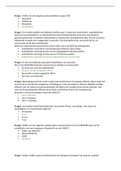
INTRODUCTION Issue 2: Opening offer → Exploring → Closing
Issue 3: Opening offer → Exploring → Closing
These notes focus on how to do well on the NCA exam. If you want to 3. Phase III – Closure
learn how to become a better a negotiator, I recommend you read my Closing the negotiation and reaching an agreed outcome.
Negotiation workbook summary.
Currencies:
ASSESSMENT CRITERIA:
Currency = Something of value the parties can offer each other in the
1. Section A: Detailed case analysis – 30% (Use around 1,000 negotiation. You may concede on currencies that are not important to
words in this section out of the 3,000) you but are important to your counterparty to successfully
2. Section B: Plan your negotiation strategy – 45% (1,500 words) obtain/retain currencies that are important to you. Ensure that you
3. Section C: Utilise negotiation styles and techniques – 15% (500 understand the importance of each of the issues and the connected
words) currencies to both your client and your counterparty.
4. Section D: Overall presentation – 10%
NEGOTIATION SKILLS, STYLE AND STRATEGY:
Make sure that you don’t go over the word limit.
Negotiation Skills = Any of a range of techniques that can be used to
NEGOTIATION: persuade your counterparty to achieve your Objectives/Aims. You
negotiation skills will depend on your communication skills and the
Why to study negotiation? ability to persuade others. By broadening your skills and range of
Negotiation skills is fundamental to the provision of legal services. negotiation techniques, you will develop a flexibility and an ability to
Lawyers must negotiate to further their client’s objectives/protect their cope with situations on the spot.
interest.
Negotiation Strategy = The action plan for the negotiation. It is
Why to study case analysis? formulated after completing all the elements of preparation and full
Negotiation skills and case analysis are interlinked as you must analysis of the matter to be negotiated. It refers to the actual approach
understand the facts of the case before negotiating. – Case analysis that a negotiator may employ to achieve their required outcome. It will
involves objective and careful consideration of the matter to be relate to the facts and circumstances of each individual matter being
negotiated so that you can assess your client’s aims, the issues negotiated.
between the parties and the strength of your client’s position.
Different negotiation styles:
Definition:
Negotiation Style = The behavioural approach adopted in a
What negotiation is: negotiation. Three types: confrontational, passive or collaborative.
1. Communication between two or more people/groups where
one or more parties want to obtain/achieve something. Adapt your negotiation style to suit different situations. This is
2. Each party may have interests/objectives which might be the necessary to deal appropriately with the importance of the issues and
same, or might differ from, those held or sought by the others. relationship between the parties. – eg. the behaviour of your
3. At the end of negotiation, the parties usually reach a binding counterparty might dictate the negotiation style which you adopt.
agreement.
What negotiation is not: Parties will usually open with a ‘win-win’ or ‘win-lose’ approach:
1. Negotiation is not ‘haggling’: not a conversation of offers and 1. Win-win approach = Integrative approach (principled or
counteroffers until a middle ground is reached. collaborative/problem solving) and
2. Negotiation is not ‘arguing’: not about winning an argument. 2. Win-lose approach = Distributive (competitive or positional)
bargaining.
Counterparty = The other party/parties to a negotiation.
Outcome(s) = The final negotiated agreement.
Interest(s) = Why the party wants a particular Objective. What is
motivating the party? Win-win Win-lose
Position = What a party wants from the negotiation. approach approach
Issues = Matters that are in dispute between the parties.
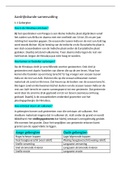
Substance = the subject matter or objective of the negotiation. Most negotiating styles result in the four outcomes listed below:
Situations in which we negotiate:
Personal situations: the day-to-day and familial situations – eg. OUTCOME PARTY A PARTY B COMMON CHARACTERISTICS
agreeing the price of a car we are about to buy. Win-Win Wins Wins Collaborative – eg. “Possibly we
could both achieve our aims and
Organisational situations: negotiating with colleagues, peers, objectives. By working together,
supervisors and managers when agreeing timeframes etc. we could achieve more than we
would achieve otherwise.”
Customer situations: when we negotiate (on the client’s Win-Lose Wins Loses Competitive (Win) v Passive (Lose)
behalf) with counterparties in order to further our client’s aims – eg. “I am in this negotiation for
and objectives. – eg. negotiation is used when agreeing myself and my client only and I do
commercial contracts, dealing with family or employment not mind whether you suffer any
matters or acting for clients in regulatory matters. Lose-Win negative outcomes in this negotia-
Loses Wins tion. In fact, I aim to achieve my
goal at the expense of yours.”
Customer situations:
* The final decision rests with the client. Lose-Lose Loses Loses Passive – eg. “Even if neither party
* The solicitor must act in line with the SRA Code of Conduct achieves their intended outcomes
* These negotiations are not concluded in a single meeting and and objectives, we will aim to
will involve different communication techniques (face-to-face secure a negotiated agreement.”
meetings, email, telephone, video conference) and re-assessing
the matter with clients. No Collaborative/Passive – eg. “None
outcome of uscan achieve our intended
The Process of Negotiation: outcomes and objectives, so we
should rather walk away from the
The Process of Negotiation – Phases: negotiation.”
1. Phase I – Preparation
Creating a plan for the negotiation
In most cases, advise client:
2. Phase II – Bargaining: 1. Not to close a negotiation with a ‘lose-lose’ outcome.
2. Not to close a negotiation with a ‘lose-win’ outcome. In this
Bargaining phase = is negotiation ‘proper’ where the case, your counterparty would rather achieve its aims at the
parties set out their objectives, issues, offers and expense of yours. – this is a bad deal for your client.
concessions, responding to the other party’s proposals and 3. Think about the repercussions of a ‘win-lose’ outcome.
formulating counter proposals. 4. The most preferable outcome is a ‘win-win’. Here, both parties
are satisfied that they have achieved the objectives of greatest
Deal with each issue in turn: importance.
Issue 1: Opening offer → Exploring → Closing
Negotiation and Case Analysis – Revision Notes | Page 1 of 18
, SECTION A
When carrying out your case analysis, don’t forget to add the relevant
CASE ANALYSIS cases and statute – this will give you extra points.
RELEVANT ISSUES AND EVIDENCE: As with establishing the facts, the legal issues are likely to be multi-
faceted with many aspects to consider.
As the first step, ensure that you identify all relevant issues and
evidence and how the evidence will support each issue. You should In litigation, this will be ‘linear’ in nature as duty, breach, causation
have around 5-6 issues. and loss need to be established in that order. If the chain is broken, say,
there was no breach of a legal duty which you had established existed,
Essential Elements/Legal issues your case analysis would end there.
Issue Effect Details Documentary Factual Expert
Evidence Witness Witness In a real estate/commercial matter, this process is more ‘granular’.
Evidence Evidence You will still need to the relevant legal issues of each. One or two of
these issues will probably emerge as dominant and/or ‘deal-breakers’.
Issue 1 Positive
Example – Commercial property sale:
Negative Issue 1: Planning/use:
Issue 2 Positive Positive:
Any new business facility at the Property should qualify for a Local
Authority grant of £50,000, provided it is fully operational within six
Negative months.
Negative:
Issue 3 Positive The use of the Property under the Use Classes Order 1987 is restricted
to use as a (1) business and (2) storage or distribution. This might make
Negative
the Property harder to sell.
Issue 2: Title:
Issue 4 Positive
Positive:
None
Negative
Negative:
The Property is subject to a restrictive covenant preventing the owner
Issue 5 Positive making any structural alterations without obtaining the prior written
consent from the original developer of the business park. This has a
Negative cost in both time and money for the owner.
Issue 3: Environmental issues:
Issue 6 Positive
Positive:
Negative None
Negative:
A chemical spill caused by Daikin’s printing works last year caused
This part focuses particularly on the substance of negotiations i.e. the contamination to the immediate surrounding area (within the
subject matter that the parties are negotiating over. boundary of the Property). Some of the environmental damage caused
has been rectified by Daikin but the matter is still being investigated by
Case analysis = the process of taking the facts of the case, applying the Environmental Agency. It is likely that Daikin will face a fine in
these facts to the law, and advising the client on the strengths or merits relation to this incident and any future occupier of the Property may
of their position, and any weaknesses. be liable to pay further costs to remediate the site, if necessary.
It involves, considering the problem from all angles, including that of Issue 4: Searches:
the opponent or counterparty, and reality testing any desired
outcomes of the client. Positive:
All of this requires you to: The purchase should be able to be completed within eight weeks.
There are no anticipated issues with any of the searches.
* Identify the legal position based on the available facts and
* Assess the evidence available to support or justify the legal Negative:
position. – differentiate between evidence you have available
and evidence you should seek. None
Once you have the facts and context of the dispute, you will be able Issue 5: Access:
to identify the relevant law.
Positive:
Different issues for different types of matter: The Property abuts a road which has been adopted as public highway
by the Local Authority. Responsibility for the maintenance of the
The legal issues will depend on the essential elements of your matter. adopted road lies with the Local Authority.
This gives you your case analysis structure.
Negative:
Use of the part of the adopted road which abuts the Property is
Litigation relating to Company law/ Real estate matter restricted to vehicles in all categories lower than Heavy Goods Vehicles
negligence Commercial matter (i.e. HGVs are not permitted on the adopted road). Daikin has allowed
HGVs to use this part of the adopted road in breach of the restriction.
The legal issues are: The legal issues will relate The legal issues will relate The Local Authority has sent correspondence to Daikin warning it to
duty, breach, to: Companies Act 2006, to: Planning/use, title, stop.
causation and loss. Financial Services and environmental issues,
Markets Act 2000, searches, access, leases
Competition Act 1998 Issue 6: Leases:
Example: Example (Directors’ Example:
duties): Positive:
Issue 1: Duty Issue 1: Plannig/use The parent company of Daikin is prepared to accept a 10 year lease but
Issue 2: Breach Issue 1: Was the person a Issue 2: Title probably needs more flexibility in case it does not want to stay in the
Issue 3: Causation director? Issue 3: Environmental business park for that long. It would consider a break option or the
Issue 4: Loss Issue 2: Breach issues ability to assign or sublet subject to the consent of the landlord.
Issue 3: Relief from Issue 4: Searches
liability Issue 5: Access Negative:
Issue 6: Leases
The tenant parent company would be responsible for repairing the
Negotiation and Case Analysis – Revision Notes | Page 2 of 18
Issue 3: Opening offer → Exploring → Closing
These notes focus on how to do well on the NCA exam. If you want to 3. Phase III – Closure
learn how to become a better a negotiator, I recommend you read my Closing the negotiation and reaching an agreed outcome.
Negotiation workbook summary.
Currencies:
ASSESSMENT CRITERIA:
Currency = Something of value the parties can offer each other in the
1. Section A: Detailed case analysis – 30% (Use around 1,000 negotiation. You may concede on currencies that are not important to
words in this section out of the 3,000) you but are important to your counterparty to successfully
2. Section B: Plan your negotiation strategy – 45% (1,500 words) obtain/retain currencies that are important to you. Ensure that you
3. Section C: Utilise negotiation styles and techniques – 15% (500 understand the importance of each of the issues and the connected
words) currencies to both your client and your counterparty.
4. Section D: Overall presentation – 10%
NEGOTIATION SKILLS, STYLE AND STRATEGY:
Make sure that you don’t go over the word limit.
Negotiation Skills = Any of a range of techniques that can be used to
NEGOTIATION: persuade your counterparty to achieve your Objectives/Aims. You
negotiation skills will depend on your communication skills and the
Why to study negotiation? ability to persuade others. By broadening your skills and range of
Negotiation skills is fundamental to the provision of legal services. negotiation techniques, you will develop a flexibility and an ability to
Lawyers must negotiate to further their client’s objectives/protect their cope with situations on the spot.
interest.
Negotiation Strategy = The action plan for the negotiation. It is
Why to study case analysis? formulated after completing all the elements of preparation and full
Negotiation skills and case analysis are interlinked as you must analysis of the matter to be negotiated. It refers to the actual approach
understand the facts of the case before negotiating. – Case analysis that a negotiator may employ to achieve their required outcome. It will
involves objective and careful consideration of the matter to be relate to the facts and circumstances of each individual matter being
negotiated so that you can assess your client’s aims, the issues negotiated.
between the parties and the strength of your client’s position.
Different negotiation styles:
Definition:
Negotiation Style = The behavioural approach adopted in a
What negotiation is: negotiation. Three types: confrontational, passive or collaborative.
1. Communication between two or more people/groups where
one or more parties want to obtain/achieve something. Adapt your negotiation style to suit different situations. This is
2. Each party may have interests/objectives which might be the necessary to deal appropriately with the importance of the issues and
same, or might differ from, those held or sought by the others. relationship between the parties. – eg. the behaviour of your
3. At the end of negotiation, the parties usually reach a binding counterparty might dictate the negotiation style which you adopt.
agreement.
What negotiation is not: Parties will usually open with a ‘win-win’ or ‘win-lose’ approach:
1. Negotiation is not ‘haggling’: not a conversation of offers and 1. Win-win approach = Integrative approach (principled or
counteroffers until a middle ground is reached. collaborative/problem solving) and
2. Negotiation is not ‘arguing’: not about winning an argument. 2. Win-lose approach = Distributive (competitive or positional)
bargaining.
Counterparty = The other party/parties to a negotiation.
Outcome(s) = The final negotiated agreement.
Interest(s) = Why the party wants a particular Objective. What is
motivating the party? Win-win Win-lose
Position = What a party wants from the negotiation. approach approach
Issues = Matters that are in dispute between the parties.
Substance = the subject matter or objective of the negotiation. Most negotiating styles result in the four outcomes listed below:
Situations in which we negotiate:
Personal situations: the day-to-day and familial situations – eg. OUTCOME PARTY A PARTY B COMMON CHARACTERISTICS
agreeing the price of a car we are about to buy. Win-Win Wins Wins Collaborative – eg. “Possibly we
could both achieve our aims and
Organisational situations: negotiating with colleagues, peers, objectives. By working together,
supervisors and managers when agreeing timeframes etc. we could achieve more than we
would achieve otherwise.”
Customer situations: when we negotiate (on the client’s Win-Lose Wins Loses Competitive (Win) v Passive (Lose)
behalf) with counterparties in order to further our client’s aims – eg. “I am in this negotiation for
and objectives. – eg. negotiation is used when agreeing myself and my client only and I do
commercial contracts, dealing with family or employment not mind whether you suffer any
matters or acting for clients in regulatory matters. Lose-Win negative outcomes in this negotia-
Loses Wins tion. In fact, I aim to achieve my
goal at the expense of yours.”
Customer situations:
* The final decision rests with the client. Lose-Lose Loses Loses Passive – eg. “Even if neither party
* The solicitor must act in line with the SRA Code of Conduct achieves their intended outcomes
* These negotiations are not concluded in a single meeting and and objectives, we will aim to
will involve different communication techniques (face-to-face secure a negotiated agreement.”
meetings, email, telephone, video conference) and re-assessing
the matter with clients. No Collaborative/Passive – eg. “None
outcome of uscan achieve our intended
The Process of Negotiation: outcomes and objectives, so we
should rather walk away from the
The Process of Negotiation – Phases: negotiation.”
1. Phase I – Preparation
Creating a plan for the negotiation
In most cases, advise client:
2. Phase II – Bargaining: 1. Not to close a negotiation with a ‘lose-lose’ outcome.
2. Not to close a negotiation with a ‘lose-win’ outcome. In this
Bargaining phase = is negotiation ‘proper’ where the case, your counterparty would rather achieve its aims at the
parties set out their objectives, issues, offers and expense of yours. – this is a bad deal for your client.
concessions, responding to the other party’s proposals and 3. Think about the repercussions of a ‘win-lose’ outcome.
formulating counter proposals. 4. The most preferable outcome is a ‘win-win’. Here, both parties
are satisfied that they have achieved the objectives of greatest
Deal with each issue in turn: importance.
Issue 1: Opening offer → Exploring → Closing
Negotiation and Case Analysis – Revision Notes | Page 1 of 18
, SECTION A
When carrying out your case analysis, don’t forget to add the relevant
CASE ANALYSIS cases and statute – this will give you extra points.
RELEVANT ISSUES AND EVIDENCE: As with establishing the facts, the legal issues are likely to be multi-
faceted with many aspects to consider.
As the first step, ensure that you identify all relevant issues and
evidence and how the evidence will support each issue. You should In litigation, this will be ‘linear’ in nature as duty, breach, causation
have around 5-6 issues. and loss need to be established in that order. If the chain is broken, say,
there was no breach of a legal duty which you had established existed,
Essential Elements/Legal issues your case analysis would end there.
Issue Effect Details Documentary Factual Expert
Evidence Witness Witness In a real estate/commercial matter, this process is more ‘granular’.
Evidence Evidence You will still need to the relevant legal issues of each. One or two of
these issues will probably emerge as dominant and/or ‘deal-breakers’.
Issue 1 Positive
Example – Commercial property sale:
Negative Issue 1: Planning/use:
Issue 2 Positive Positive:
Any new business facility at the Property should qualify for a Local
Authority grant of £50,000, provided it is fully operational within six
Negative months.
Negative:
Issue 3 Positive The use of the Property under the Use Classes Order 1987 is restricted
to use as a (1) business and (2) storage or distribution. This might make
Negative
the Property harder to sell.
Issue 2: Title:
Issue 4 Positive
Positive:
None
Negative
Negative:
The Property is subject to a restrictive covenant preventing the owner
Issue 5 Positive making any structural alterations without obtaining the prior written
consent from the original developer of the business park. This has a
Negative cost in both time and money for the owner.
Issue 3: Environmental issues:
Issue 6 Positive
Positive:
Negative None
Negative:
A chemical spill caused by Daikin’s printing works last year caused
This part focuses particularly on the substance of negotiations i.e. the contamination to the immediate surrounding area (within the
subject matter that the parties are negotiating over. boundary of the Property). Some of the environmental damage caused
has been rectified by Daikin but the matter is still being investigated by
Case analysis = the process of taking the facts of the case, applying the Environmental Agency. It is likely that Daikin will face a fine in
these facts to the law, and advising the client on the strengths or merits relation to this incident and any future occupier of the Property may
of their position, and any weaknesses. be liable to pay further costs to remediate the site, if necessary.
It involves, considering the problem from all angles, including that of Issue 4: Searches:
the opponent or counterparty, and reality testing any desired
outcomes of the client. Positive:
All of this requires you to: The purchase should be able to be completed within eight weeks.
There are no anticipated issues with any of the searches.
* Identify the legal position based on the available facts and
* Assess the evidence available to support or justify the legal Negative:
position. – differentiate between evidence you have available
and evidence you should seek. None
Once you have the facts and context of the dispute, you will be able Issue 5: Access:
to identify the relevant law.
Positive:
Different issues for different types of matter: The Property abuts a road which has been adopted as public highway
by the Local Authority. Responsibility for the maintenance of the
The legal issues will depend on the essential elements of your matter. adopted road lies with the Local Authority.
This gives you your case analysis structure.
Negative:
Use of the part of the adopted road which abuts the Property is
Litigation relating to Company law/ Real estate matter restricted to vehicles in all categories lower than Heavy Goods Vehicles
negligence Commercial matter (i.e. HGVs are not permitted on the adopted road). Daikin has allowed
HGVs to use this part of the adopted road in breach of the restriction.
The legal issues are: The legal issues will relate The legal issues will relate The Local Authority has sent correspondence to Daikin warning it to
duty, breach, to: Companies Act 2006, to: Planning/use, title, stop.
causation and loss. Financial Services and environmental issues,
Markets Act 2000, searches, access, leases
Competition Act 1998 Issue 6: Leases:
Example: Example (Directors’ Example:
duties): Positive:
Issue 1: Duty Issue 1: Plannig/use The parent company of Daikin is prepared to accept a 10 year lease but
Issue 2: Breach Issue 1: Was the person a Issue 2: Title probably needs more flexibility in case it does not want to stay in the
Issue 3: Causation director? Issue 3: Environmental business park for that long. It would consider a break option or the
Issue 4: Loss Issue 2: Breach issues ability to assign or sublet subject to the consent of the landlord.
Issue 3: Relief from Issue 4: Searches
liability Issue 5: Access Negative:
Issue 6: Leases
The tenant parent company would be responsible for repairing the
Negotiation and Case Analysis – Revision Notes | Page 2 of 18