,Classification and diagnosis / reliability and validity of schizophrenia
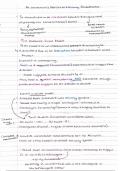
What is schizophrenia? Two diagnostic manuals:
Severe mental disorder, contact with DSM-5 - American, doesn’t recognise subtypes, 1 positive symptom for 6 months
reality is impaired, 1% of the population,
men, people in cities and poor people. ICD - International, two negative symptoms lasting a month, recognises subtypes
Positive symptoms: Negative symptoms:
Hallucinations - unreal perceptions, VOTA Alogia - speech poverty, slowed and blocked thoughts, speech not fluent
Delusions - bizarre beliefs, paranoid, not real Avolition - lack of goal-orientated behaviour
Evaluation:
Advantages - Osorio found good reliability for 180 individuals using DSM, IRR - +97 whilst TRR - +92.
Disadvantages - Rosenhan’s pseudo patients were misdiagnosed, despite displaying normal behaviour afterwards, not being able to distinguish
sanity from insanity shows the diagnoses of unreliable. Con-current validity is questioned, Cheniaux found that P1 - 26 for DSM and 44 for
ICD whilst P2 got 13 for DSM and 24 for ICD. Co-morbidity, Buckley found that 50% of SZ have depression - not a single condition.
Symptom-overlap, ICD - SZ but DSM - bipolar, not different disorders but one. Gender bias - 1980s men were diagnosed more as they
weren’t emotional and more vulnerable, women not benefited from treatment. Culture bias, hearing voices has different meanings, 10x more
likely to be diagnosed.
,Classification and diagnosis of schizophrenia
Schizophrenia - a severe mental disorder where contact with reality
and insight are impaired (an example of psychosis).
• • Experienced by 1% of people
• • Common in: men, people in cities and low-socio-economic
groups.
Diagnosis and classification
In order to diagnose a disorder, we need to distinguish one disorder from
another. The two systems for classification are:
1) ICD
• • International
• • Recognises subtypes
• • Two negative symptoms necessary
• • Symptoms lasting 1 month
2) DSM-5
• • American
• • Does not recognise subtypes
• • One positive symptoms necessary
• • Symptoms lasting 6 months
, Positive symptoms of schizophrenia
Atypical symptoms experienced in addition to normal experiences.
Including:
• • Hallucinations
These are unreal perceptions of the environment that are usually
auditory (sound), visual (sight), olfactory (smell) or tactile (touch).
• • Delusions
Bizarre beliefs that seem real to the person with schizophrenia,
but they are not real. These beliefs can be paranoid and
sometimes involves themselves.
Negative symptoms of schizophrenia
Atypical experiences that represent the loss of a usual experience.
Including:
• Alogia (speech poverty)
This is characterised by the lessoning of speech fluency and
productivity, this is thought to reflect slowing or blocked thoughts.
• Avolition
The reduction of, or inability and persistence in goal-direction
behaviour (for example, sitting in the house for hours, doing nothing).
What is schizophrenia? Two diagnostic manuals:
Severe mental disorder, contact with DSM-5 - American, doesn’t recognise subtypes, 1 positive symptom for 6 months
reality is impaired, 1% of the population,
men, people in cities and poor people. ICD - International, two negative symptoms lasting a month, recognises subtypes
Positive symptoms: Negative symptoms:
Hallucinations - unreal perceptions, VOTA Alogia - speech poverty, slowed and blocked thoughts, speech not fluent
Delusions - bizarre beliefs, paranoid, not real Avolition - lack of goal-orientated behaviour
Evaluation:
Advantages - Osorio found good reliability for 180 individuals using DSM, IRR - +97 whilst TRR - +92.
Disadvantages - Rosenhan’s pseudo patients were misdiagnosed, despite displaying normal behaviour afterwards, not being able to distinguish
sanity from insanity shows the diagnoses of unreliable. Con-current validity is questioned, Cheniaux found that P1 - 26 for DSM and 44 for
ICD whilst P2 got 13 for DSM and 24 for ICD. Co-morbidity, Buckley found that 50% of SZ have depression - not a single condition.
Symptom-overlap, ICD - SZ but DSM - bipolar, not different disorders but one. Gender bias - 1980s men were diagnosed more as they
weren’t emotional and more vulnerable, women not benefited from treatment. Culture bias, hearing voices has different meanings, 10x more
likely to be diagnosed.
,Classification and diagnosis of schizophrenia
Schizophrenia - a severe mental disorder where contact with reality
and insight are impaired (an example of psychosis).
• • Experienced by 1% of people
• • Common in: men, people in cities and low-socio-economic
groups.
Diagnosis and classification
In order to diagnose a disorder, we need to distinguish one disorder from
another. The two systems for classification are:
1) ICD
• • International
• • Recognises subtypes
• • Two negative symptoms necessary
• • Symptoms lasting 1 month
2) DSM-5
• • American
• • Does not recognise subtypes
• • One positive symptoms necessary
• • Symptoms lasting 6 months
, Positive symptoms of schizophrenia
Atypical symptoms experienced in addition to normal experiences.
Including:
• • Hallucinations
These are unreal perceptions of the environment that are usually
auditory (sound), visual (sight), olfactory (smell) or tactile (touch).
• • Delusions
Bizarre beliefs that seem real to the person with schizophrenia,
but they are not real. These beliefs can be paranoid and
sometimes involves themselves.
Negative symptoms of schizophrenia
Atypical experiences that represent the loss of a usual experience.
Including:
• Alogia (speech poverty)
This is characterised by the lessoning of speech fluency and
productivity, this is thought to reflect slowing or blocked thoughts.
• Avolition
The reduction of, or inability and persistence in goal-direction
behaviour (for example, sitting in the house for hours, doing nothing).